"[...] although people disapprove of #flaming, and research demonstrates how resorting to nastiness and incivility weakens third-party assessments of persuasive signals [...], people appear to still believe in its effectiveness. Consistent with the #thirdpersoneffect [...], people appear to assume that other people are persuaded by flaming, just not themselves. This contributes to our understanding of why [...] people still commonly engage in such behaviors."

https://academic.oup.com/jcmc/article/29/2/zmae001/7618999#442678482

Signaling outrage is a signal about the sender: moral perceptions of online flaming

Abstract. Most flaming research addresses explanations for and the immediate effects of flaming on those engaging in and targeted by flaming. However, onli

OUP Academic
Wie sich Medien und Publikum besser verstehen könnten, zeigt mein Essay: Wer sich #Framing, #Priming, #ThirdPersonEffect oder #HostileMediaEffect bewusst macht, ist imstande, kognitive Verzerrungen zu verstehen.
https://www.gelbe-reihe.de/online-journalismus/warum-wir-die-medien-nicht-verstehen-und-sie-uns-nicht/

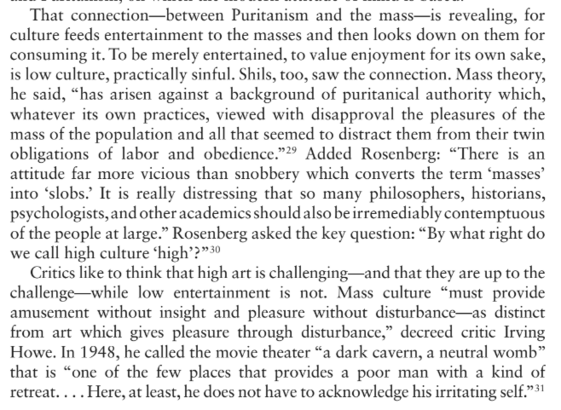
Yeesh. Having run out of technology to hold moral panics about, The Atlantic now reverts to just plain puritanism, sounding very much like Dwight Macdonald condemning "masscult" and entertainment. I watched Megan Garber on Morning Joe touting this specimen of #MoralPanic, #ThirdPersonEffect, and snobbery.
I address this in my upcoming book (snippet from The Gutenberg Parenthesis below....)

https://www.theatlantic.com/magazine/archive/2023/03/tv-politics-entertainment-metaverse/672773/

We’re Already Living in the Metaverse

Our constant need for entertainment has blurred the line between fiction and reality—on television, in American politics, and in our everyday lives.

The Atlantic