#Squanto #Indigenous #slavery
"Who Was Squanto, and What Was His Role in the First Thanksgiving?
Without Squanto, a.k.a. Tisquantum, to interpret and guide them to food sources, the Plymouth Colony Pilgrims might have never have survived.
For generations, the dominant cultural narrative of America’s Thanksgiving holiday has told how a Native American man named Squanto showed the Pilgrims how to get food after they arrived on the Mayflower in Massachusetts in 1620. Having fled their native England, the new émigrés endured hardship and privation in both their journey and their adjustment to the new land. Those who survived in the early settlement are said to have gathered with the Native people in a feast of gratitude, establishing the time-honored tradition of having a 'Thanksgiving' dinner on the fourth Thursday of November.
The historical details of this somewhat mythologized story are far more complicated—as was the life of Squanto, whose actual name was Tisquantum. He and his Indigenous relatives would have been quite familiar with the tradition of 'thanksgiving' because it was, and still is, an essential aspect of their regular spiritual practices, one that predates by many generations the American holiday of Thanksgiving.
(. . .)
By 1619, the Wampanoag survived a devastating plague brought by European explorers called the Great Dying. The disease killed about two-thirds of their 70,000 people who had been living in 69 villages along what is now the southern Massachusetts coast.
(. . .)
Tisquantum was among 2 million to 5.5 million Indigenous people enslaved in the Americas between 1492 and 1880, many of whom were sent to work in the Caribbean. According to Wampanoag historian Linda Jeffers Coombs, Tisquantum was one of only two tribal members who found his way back home from the slave ship that landed in Spain."
https://www.history.com/articles/squanto-pilgrims-help-plymouth-thanksgiving
 KillBait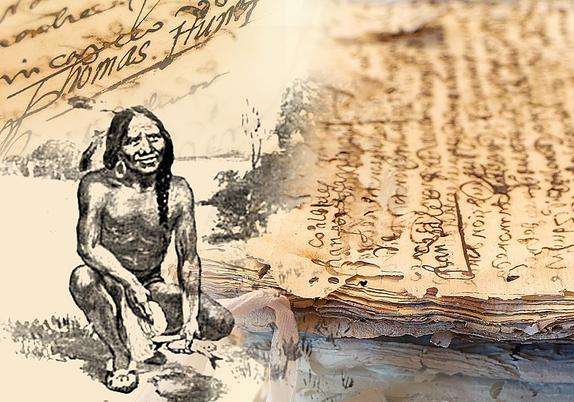
 KillBait Noticias
 Liam O'Mara IV, PhD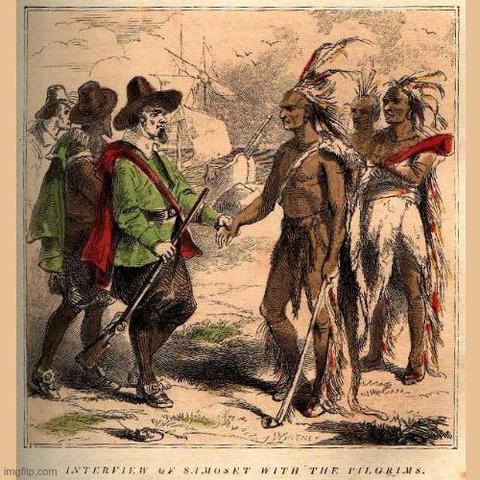
 Levka
Levka
 Scott Bennett
 Paul Bissonnette 🤖
 Alaska Native News