James Webb a “photographié” 2024 YR4… mais en réalité, ce n’est qu’un point flou : un objet de ~60 m trop petit pour être vu en détail, loin des images spectaculaires 🪐
www.futura-sciences.com/sciences/bre... #Space #Astrophysics #JamesWebb #Asteroid #PlanetaryDefense #SpaceObservation #JWSTJames-Webb a photographié l’as...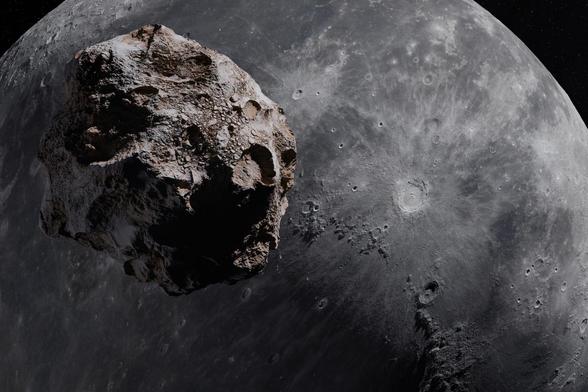
James-Webb a photographié l’astéroïde 2024 YR4 : voici à quoi ressemble l’objet qui pourrait frapper la Lune
Les astronomes ont, un temps, désigné l’astéroïde 2024 YR4 comme le plus menaçant pour la Terre des astéroïdes géocroiseurs connus. Ils l’ont imaginé être en route pour entrer en collision avec notre Planète en 2032. Mais les plus récentes données qu’ils ont pu recueillir à son sujet sont plus...
James-Webb a photographié l’astéroïde 2024 YR4 : voici à quoi ressemble l’objet qui pourrait frapper la Lune
Les astronomes ont, un temps, désigné l’astéroïde 2024 YR4 comme le plus menaçant pour la Terre des astéroïdes géocroiseurs connus. Ils l’ont imaginé être en route pour entrer en collision avec notre Planète en 2032. Mais les plus récentes données qu’ils ont pu recueillir à son sujet sont plus...
🚀🤪 Brace yourself for the groundbreaking revelation: amateur radio
#telescopes are *gasp* cheaper than professional ones! Who knew? 🌌🔭 Apparently, all it takes is a bunch of hobbyists in their backyards to revolutionize space observation. 🏡📡
https://phl.upr.edu/wow/outreach #amateurRadio #spaceObservation #backyardHobbyists #techRevolution #astronomyExploration #HackerNews #ngated
PHL @ UPR Arecibo - outreach
Last Update: January 10, 2026
Software development is ongoing, with a new mode that reproduces the Big Ear telescope output. All telescope components are now available online.
🎥 It's time for a return - SPACE-FRIDAY - Season 3 is finally arrived with a three Part Event. Part 1 of the hunt for black holes starts Friday, Oct 4th 2024 at 8pm (CEST)
#SPACEFRIDAY #blackholes #Schwarzschild #Einstein #ESO #ESA #SpaceExploration #JWST #Hubble #ALMA #Chile #SpaceObservation AlcorNews
 AlcorNews
 N-gated Hacker News
 formuchdeliberation
 SPACE-FRIDAY 🚀🛰️🪐🔭👩🏻🚀👩🏾🚀🧑🚀🧑🏾🚀