 Maria-Esther Vidal
Leibniz Data Manager (LDM): How to manage Research Data effectively
diesen Beitrag auf Deutsch lesen
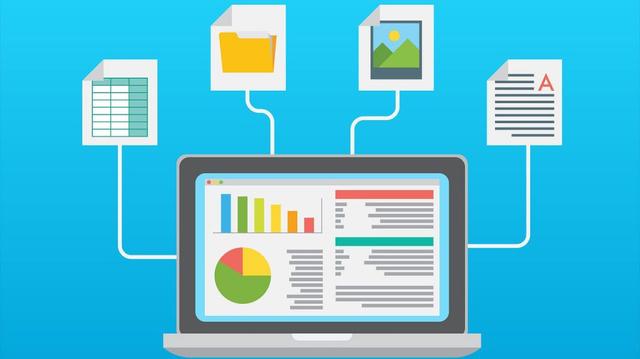
Scientific discoveries rely on well-organized, accessible, and reusable research data. However, researchers often struggle with disconnected datasets, inconsistent metadata, and time-consuming data exploration.
The Leibniz Data Manager (LDM) helps solve these challenges by providing a FAIR-compliant research data management platform. LDM structures and connects research datasets using Knowledge Graphs (KGs), ensuring that data is Findable, Accessible, Interoperable, and Reusable (FAIR). Additionally, it integrates AI-assisted techniques to improve metadata enrichment and knowledge discovery, making research data more valuable and easier to work with.
Why Use LDM?
With the increasing demand for machine-readable, interoperable, and structured research data, LDM provides a powerful solution for researchers, data managers, and institutions. Whether it’s exploring datasets, enriching metadata, or linking knowledge across disciplines, LDM makes research data management smarter and more efficient.
What Makes LDM Unique?
LDM enables researchers to go beyond static repositories by:
- Structuring research data with Knowledge Graphs (KGs) – Unlike traditional databases, KGs represent data and its meaning as nodes and their connections, allowing for more intelligent and flexible ways to search and explore datasets.
- Integrating FAIR Data Principles – LDM ensures that datasets follow standard metadata models, making them easier to find, link, and reuse across disciplines.
- Supporting AI-Assisted Metadata Enrichment – LDM incorporates entity linking techniques that automatically connect datasets to external knowledge sources such as Wikidata and the Open Research Knowledge Graph (ORKG), improving data completeness and discoverability.
Key Features of LDM
- FAIR-Compliant Metadata Management – LDM applies structured vocabularies like DCAT and DataCite to ensure datasets have well-defined metadata.
- Federated Search Across Knowledge Graphs – LDM allows researchers to explore and connect datasets across multiple sources, such as ORKG and Wikidata.
- Entity Linking & Metadata Expansion – By recognizing key terms and concepts, LDM automatically enriches metadata, improving dataset descriptions.
- Dataset Comparison & Visualization – Researchers can compare datasets, highlight differences, and analyze how data relates across multiple sources and repositories.
- Live Code Execution – LDM integrates Jupyter Notebooks, enabling researchers to analyze and manipulate data directly within the platform.
- Open-Source & Scalable Deployment – LDM can be deployed as an open-source solution via Docker containers, ensuring flexibility and scalability for research institutions.
- Customizable Instances – Institutions and projects can deploy tailored versions of LDM to match their specific workflows and data management needs.
LDM is publicly available at LDM Service.
The LDM Team
Developers & Research Scientists: Mauricio Brunet, Enrique Iglesias, Dr. Ariam Rivas, Philipp D. Rohde, Dr. Ahmad Sakor, Samer Sakor
Project Investigators: Dr. Angelina Kraft, Prof. Dr. Maria-Esther Vidal
LDM Instances & Deployment: Susanne Arndt, Mathias Begoin
Media & Graphics: Gabriela Ydler
#LDM #LeibnizDataManager #LizenzCCBY40INT #ResearchAndDevelopment #ResearchData #ResearchDataRepository
 ing.grid