@ArneBab Doch kann man schon noch. Irgendwie finde ich das einen Irrglauben, dass das nicht zu unterscheiden wäre. Kleinigkeiten wie Fraktale, Gelbfilter, zu glatte Flächen, komische Strukturen oder inhaltliche Bildfehler. Wenn man das Auge schult, sieht man das. Auf Reddit gibt einen Kanal #realorai wo fragwürdige Bilder gepostet. Die Kommentare dazu sind wirklich sehr erhellend

There's a Reddit group I've seen that is dedicated to determining whether or not an image is AI.

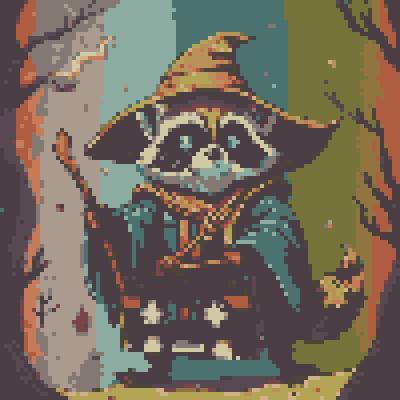
This is the image that I saw today. It's... clearly... AI, but apparently the woman that this image comes from CLAIMS that it's 100% real and she knows the human person in the picture.

Since AI is really bad at generating the exact same image twice, couldn't you just easily debunk things like this by asking for a second image from a different point of view? Doesn't even need to be mean, you could politely ask like "that's so cool, can they take another picture from the back or the side? I want to see more."

#RealorAI #AISlop #BadAIImages

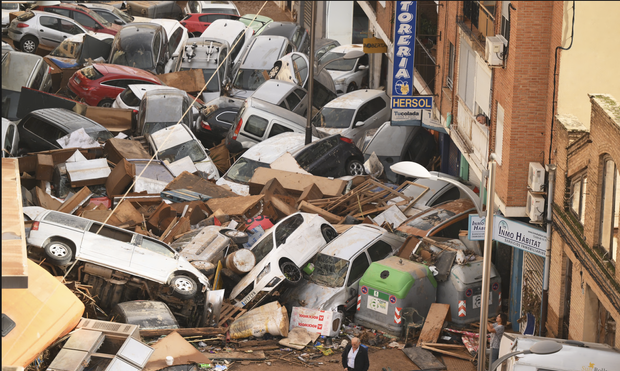
The rapid rise of AI-generated content is distorting our sense of reality. Recently, a genuine photograph of flood damage in Valencia was mistaken for an AI creation. This confusion highlights a growing issue: as AI content becomes more prevalent, our trust in real images is eroding. Additionally, the increasing reliance on AI-generated content could further degrade the quality of what we see on social media. 📸🤖 #RealOrAI #FloodsInSpain #TrustInMedia

https://www.theguardian.com/commentisfree/2024/nov/09/the-images-of-spains-floods-werent-created-by-ai-the-trouble-is-people-think-they-were

The images of Spain’s floods weren’t created by AI. The trouble is, people think they were

The rapid growth of ‘AI slop’ – content created by artificial tools – is starting to warp our perception of what is, or could be, real

The Guardian