 sayzard
Francisco Dubois (@synfinner)
OpenAI가 단순한 제품 출시가 아니라, 각 릴리스가 더 큰 장기 전략의 일부라고 보는 관점을 공유한 트윗입니다. 개별 업데이트를 넘어서 회사의 로드맵과 제품군의 연결성을 읽는 인사이트입니다.
Francisco Dubois (@synfinner)
OpenAI가 단순한 제품 출시가 아니라, 각 릴리스가 더 큰 장기 전략의 일부라고 보는 관점을 공유한 트윗입니다. 개별 업데이트를 넘어서 회사의 로드맵과 제품군의 연결성을 읽는 인사이트입니다.
Greg Brockman Assumes Leadership of OpenAI's Product Strategy Amid CEO Medical Leave
📰 Original title: OpenAI co-founder Greg Brockman takes charge of product strategy
🤖 IA: It's not clickbait ✅
👥 Users: It's not clickbait ✅
View full AI summary: https://en.killbait.com/greg-brockman-assumes-leadership-of-openai-s-product-strategy-amid-ceo-medical-leave.html?utm_source=mastodon_world&utm_medium=social&utm_campaign=killbait.mastodon_world
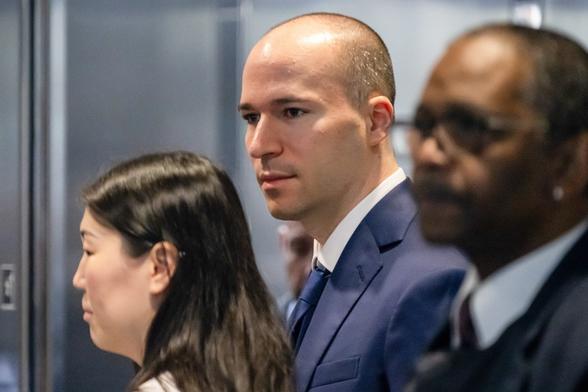
OpenAI co-founder and president Greg Brockman has officially taken over the company’s product strategy, stepping in while CEO of AGI deployment, Fidji Simo, is on medical leave. This move formalizes Brockman's interim oversight of OpenAI's products. According to reports from Wired, Brockman shared plans to unify OpenAI’s key products, including ChatGPT and Codex, into a single integrated platform. The goal is to streamline the company’s offerings and focus on both consumer and enterprise applications. OpenAI confirmed that Simo collaborated with Brockman on these plans before her leave. The consolidation reflects a broader company strategy, first outlined by CEO Sam Altman, emphasizing a renewed focus on the core ChatGPT experience after deemphasizing side projects like the video generator Sora and OpenAI for Science. By merging ChatGPT, Codex, and the API under one core product team, OpenAI aims to optimize development and innovation for its future AI-driven products. Brockman's leadership in this transition signals a continued commitment to the company’s strategic priorities during Simo’s absence, highlighting both organizational flexibility and long-term planning.
Greg Brockman Assumes Leadership of OpenAI's Product Strategy Amid CEO Medical Leave
📰 Original title: OpenAI co-founder Greg Brockman takes charge of product strategy
🤖 IA: It's not clickbait ✅
👥 Users: It's not clickbait ✅
View full AI summary: https://en.killbait.com/greg-brockman-assumes-leadership-of-openai-s-product-strategy-amid-ceo-medical-leave.html?utm_source=mastodon_social&utm_medium=social&utm_campaign=killbait.mastodon_social
OpenAI co-founder and president Greg Brockman has officially taken over the company’s product strategy, stepping in while CEO of AGI deployment, Fidji Simo, is on medical leave. This move formalizes Brockman's interim oversight of OpenAI's products. According to reports from Wired, Brockman shared plans to unify OpenAI’s key products, including ChatGPT and Codex, into a single integrated platform. The goal is to streamline the company’s offerings and focus on both consumer and enterprise applications. OpenAI confirmed that Simo collaborated with Brockman on these plans before her leave. The consolidation reflects a broader company strategy, first outlined by CEO Sam Altman, emphasizing a renewed focus on the core ChatGPT experience after deemphasizing side projects like the video generator Sora and OpenAI for Science. By merging ChatGPT, Codex, and the API under one core product team, OpenAI aims to optimize development and innovation for its future AI-driven products. Brockman's leadership in this transition signals a continued commitment to the company’s strategic priorities during Simo’s absence, highlighting both organizational flexibility and long-term planning.
Akio Morita (Sony co-founder) on why he ignored market research:
"The public does not know what is possible, but we do... we refine our thinking on a product... and try to create a market for it by educating the public."
This is the opposite of how most tech is built today (validate, A/B test, iterate). It's arrogant. It's risky. It also gave us the Walkman.
Is this approach dead, or do we need more of it?
#ProductStrategy #InnovationMindset #TechLeadership #BuildDontAsk #ProductVision

🎁 P.S: Check the comments for some daily free goodies 🎁
Keep Going Keep Growing 🚀
#productstrategy #businessgrowth #marketingstrategy #positioning #entrepreneurship
[product strategy; business growth; startups; marketing strategy; positioning; entrepreneurship] https://mastodon.social/@MrEmogical/116503757497379743
vitrupo (@vitrupo)
Dylan Patel은 AI가 구현을 더 쉽게 만들수록 중요한 것은 직접 구현 능력보다 올바른 아이디어를 고르고 AI가 만든 결과를 판매하는 능력이라고 주장합니다. AI로 인해 경제 활동의 가치 판단이 재편될 수 있다는 관점을 제시합니다.
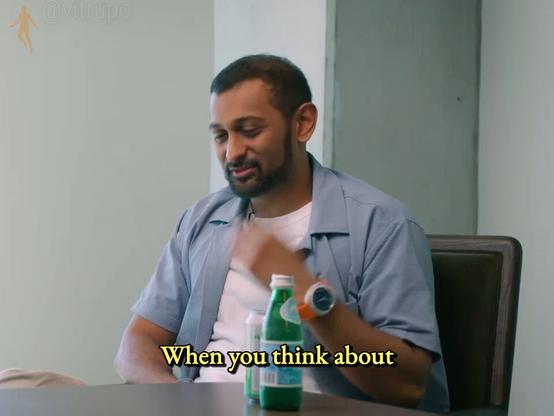
Dylan Patel says your ability to implement something is not actually that important. Not if AI makes implementation easier. What matters is choosing the correct idea for AI to implement, then selling what AI builds. It's a complete reordering of how economies work.

 KillBait News
 KillBait
 spookyd
 algodesigner
 Alfino Hatta
 Manish Ahuja
 gurupanguji