Trump Allegedly Shifts Ambition from Presidential Peers to Imperial Figures

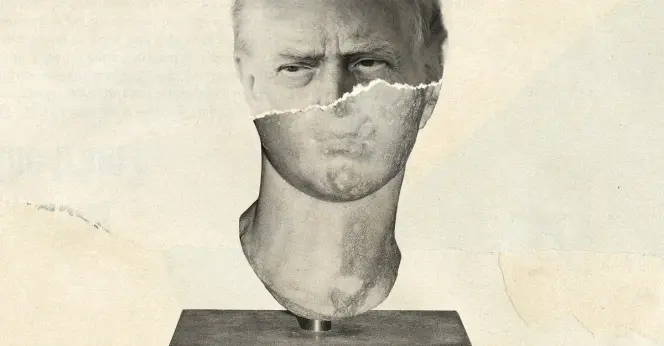
Donald Trump is reportedly aiming to be seen like Napoleon or Julius Caesar, not past US presidents. This means a focus on lasting power and changing history.

#TrumpNapoleon, #PresidentialLegacy, #HistoricalComparisons, #PoliticalAmbition, #USPolitics

https://newsletter.tf/trump-compares-himself-to-napoleon-not-us-presidents/

This new reported ambition is a shift from comparing himself to US presidents like Washington. Now, Trump is said to want to be seen alongside empire builders like Napoleon.

#TrumpNapoleon, #PresidentialLegacy, #HistoricalComparisons, #PoliticalAmbition, #USPolitics
https://newsletter.tf/trump-compares-himself-to-napoleon-not-us-presidents/

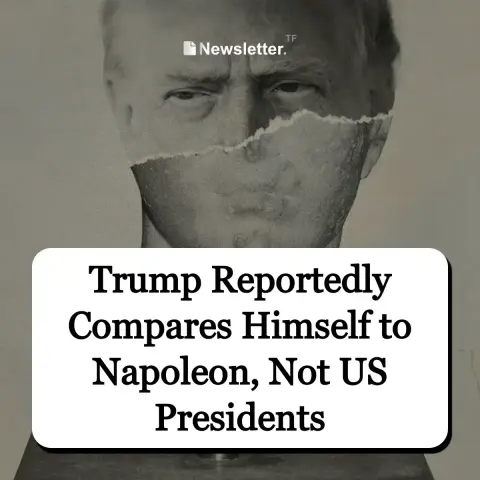
Trump Reportedly Compares Himself to Napoleon, Not US Presidents

Donald Trump is reportedly aiming to be seen like Napoleon or Julius Caesar, not past US presidents. This means a focus on lasting power and changing history.

NewsletterTF

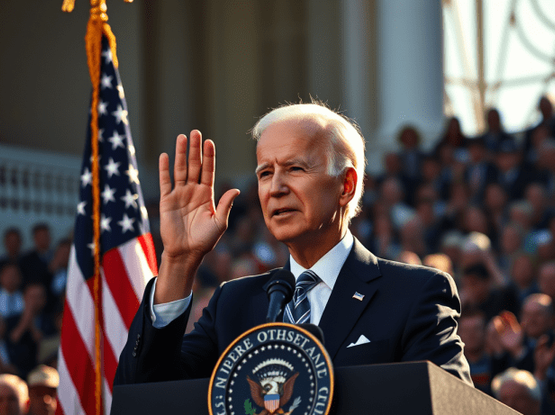
The Biden Presidency: A Reflection on Challenges and Controversies

By, WPS Staff Reporter
Baybay City | March 31, 2026

On January 20, 2021, Joe Biden was inaugurated as the 46th President of the United States, marking a significant moment in American political history. After a tumultuous election period, Biden’s presidency began amidst remarkable challenges, from a raging global pandemic to deep political divisions within the country. His term, which concluded in January 2025, has been a complex tapestry of achievements and setbacks, prompting varied perspectives from analysts, commentators, and the general public.

One of the most pressing issues that has characterized Biden’s presidency is inflation. In 2021 and 2022, inflation rates soared to levels not seen in decades, significantly impacting the economy and the cost of living for many Americans. Rising prices for essential goods like food, gas, and housing caused widespread concern and created challenges for Biden’s administration. While many economists linked this inflation to pandemic-related supply chain disruptions and heightened demand, the administration faced criticism for its perceived inability to effectively manage the situation. The impact of inflation became a pivotal topic of discussion, with opponents seizing the opportunity to question the efficacy of Biden’s economic policies.

Another significant challenge arose from the chaotic withdrawal of U.S. troops from Afghanistan in August 2021. This event was met with widespread condemnation as images of desperate Afghan citizens trying to flee the country flooded news outlets. Critics contended that the withdrawal’s rapid execution was poorly planned, leading to a swift takeover by the Taliban. The Biden administration defended the decision, citing the need to end America’s longest war, yet the execution of the withdrawal raised serious questions about the handling of foreign policy and national security.

The COVID-19 pandemic has also been a defining aspect of Biden’s presidency. Upon taking office, one of his primary goals was to ramp up the vaccination effort to combat the virus. While vaccinations increased significantly during his tenure, the administration faced challenges from varying public responses to vaccine mandates and the emergence of new variants. Vaccine hesitancy and debates surrounding public health measures created divisions among citizens, complicating the administration’s efforts to control the pandemic. The handling of COVID-19 remains a pivotal topic in assessing Biden’s leadership and effectiveness.

Border security and immigration have additionally posed significant challenges for Biden. The management of immigration during his presidency has been fraught with contention, particularly as reports emerged of surges in migrants arriving at the southern U.S. border. The challenges faced in processing asylum seekers and managing border security became topics of fierce debate, with critics arguing that Biden’s policies contributed to a crisis. The administration attempted to recalibrate immigration policies but found themselves navigating a complex and often contentious landscape.

Finally, Biden’s aspirations for sweeping legislative reforms faced substantial hurdles. A cornerstone of his campaign, the Build Back Better plan aimed to address infrastructural needs, climate change, and social issues; however, it encountered stiff opposition from both Republicans and factions within his own party. The struggles to garner bipartisan support and internal dissent grew as efforts to move the plan forward became stalled. This situation not only impacted Biden’s ability to fulfill his promises but also shaped public perception of his effectiveness as a leader.

As we look at the Biden presidency thus far, it is evident that it has been marked by a range of complex issues that are shaping the political landscape of the United States. While the president has made strides in certain areas, such as job creation and investment in infrastructure, the ongoing challenges, from economic inflation to immigration issues and the pandemic, have significantly influenced how historians, political analysts, and voters view his administration.

In conclusion, Joe Biden’s presidency will likely be remembered as a period of considerable challenge and debate. As circumstances in the nation continue to evolve, the ongoing discussions about his leadership and the choices made during these tumultuous times will be crucial in defining his legacy as president.

#AfghanistanWithdrawal #AmericanHistory #BidenPresidency #BorderSecurity #BuildBackBetter #COVID19 #economicChallenges #economicRecovery #immigrationIssues #inauguration2021 #inflation #JoeBiden #Leadership #legislativeChallenges #pandemicResponse #politicalCommentary #politicalDivisions #presidentialLegacy #publicHealth #USPolitics

Presidential legacies aren’t fixed–they can always get worse

Joe Biden’s one term as president only ended four days ago, which may not be enough time to finish closing the financial books on his White House but is not too soon for news sites to run a flurry of think pieces that attempt to assess his legacy as the 46th occupant of that office.

The two words that come to mind for me are “tragic failure.” Biden did more with less in Congress than any other president I’ve seen since I started voting, and that part of his legacy is rising across the U.S. in the form of all of the public and private projects boosted by the funding and other incentives that he set into motion. But the man who sold his first campaign as “a battle for the soul of America” did not consign Donald Trump to political oblivion and instead saw voters return him to the White House, a worst-case outcome that seemed unimaginable four years ago.

Democratic Party strategists may never stop asking what might have happened if Biden had limited himself to a single term early enough to allow for an open competition for the next candidate.

(For a longer and well-reported version of this, see my friend Anthony Zurcher’s take for the BBC.)

Biden’s legacy could look brighter four years from now if programs like the Inflation Reduction Act survive Republican attempts to cancel them and if the other damage Trump does proves repairable. Or it could look even worse–and one thing 2024 reminded me of too well is that things can always get worse.

Either way, I’m prepared for my own assessment to change as it has for most of the presidents I’ve voted for or against.

George H.W. Bush is the leading example–33 years later, I don’t quite understand why my 21-year-old self was so eager to vote against him. Overseeing the peaceful end of the Cold War was a phenomenal achievement, and his personal decency stands out compared to much of his successor’s conduct. The country would have been under a second term for him.

On the other hand, in 1992 it was not obvious what a disaster Clarence Thomas would be on the Supreme Court–in terms of both brazen corruption and his frequent unwillingness to see abuse of government power as a risk.

As for Bill Clinton, his taking the U.S. from a budget deficit to a surplus seems even more remarkable after two-plus decades of other presidents failing to get close to that performance. But the phrase “Clintonian compromise” (see “don’t ask, don’t tell”) is not a compliment for good reasons, and his having an affair with an intern was a level of disgraceful personal conduct that would now be widely seen as grounds for resignation.

You have to wonder what might have happened if Clinton had done just that, allowing Al Gore to run as an incumbent in 2000.

Instead, we got George W. Bush. He seemed awful enough at the time just in terms of launching an unnecessary war with Iraq on false evidence and ignoring the growing financial-system fractures that led to the Great Recession, and Samuel Alito has since proven to be almost as bad of a Supreme Court pick as Thomas. But W.’s record also involves saving as many as 25 million lives around the world by distributing HIV/AIDS medication in impoverished countries.

And, well, we didn’t have Donald Trump as a yardstick then.

We did, however, get Barack Obama as one. No election in my life has made me happier than his landslide win in 2008, and no president in my life except maybe Reagan has been a finer speaker for the nation than Obama was over his two terms. And while Biden’s success at getting things through Congress underlines how Obama could have done more with the sizable majorities he had through 2010, abolishing the worst cruelties of the private health-insurance system with the Affordable Care Act remains a landmark accomplishment.

But as the leader of the Democratic Party, Obama was objectively disastrous, overseeing years of wipeouts in state elections that paved the way for gerrymandering abuses of power that continue today. And he has not gotten nearly enough criticism for his feckless reactions to Syrian dictator Bashar al-Assad’s brutality against his own people.

And then there is Trump. His first term was atrocious and his second seems to be off to an even worse start with such grandstanding exercises in vice signaling as an executive order claiming to rewrite the plain language of the 14th Amendment’s guarantee of birthright citizenship and another EO that cites scientifically-illiterate language to deny the existence of transgender and non-binary people. Unfortunately, we have almost four more years to see how low Trump can go.

But that will only be the end of the beginning of assessing Trump’s legacy. And that may not be a quick process.

As former Washington Post executive editor Ben Bradlee wrote in his autobiography A Good Life about how he had come to see his friend John F. Kennedy after decades of revelations about the 35th president’s rampant infidelity and other character defects: “[T]he truth about Kennedy, like all truths, emerges slowly, revealing itself more to the next generation than the last, more to the last researcher than the first.”

#BarackObama #BenBradlee #BillClinton #DonaldTrump #GeorgeHWBush #GeorgeWBush #History #JFK #JoeBiden #news #politics #presidentialLegacy #RonaldReagan

The worst

I have now voted in nine presidential elections, four of which didn’t go the way I wanted. None left me feeling as bleak as Donald Trump’s win Tuesday, a horror-movie sequel that I did …

Rob Pegoraro