 Dorgaldirs Garden
🇬🇧
Not a bee, but just as welcome in the garden. 🪰
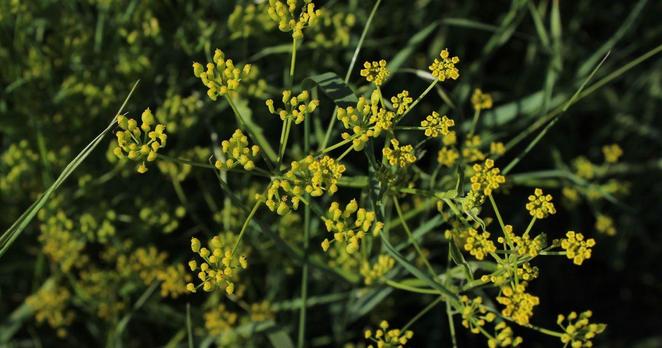
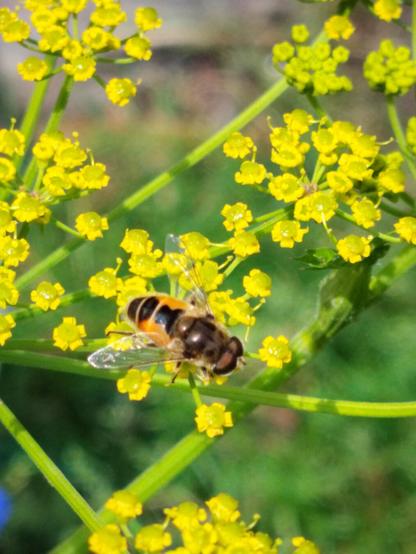
This is the small drone fly (*Eristalis arbustorum*), spotted foraging on wild parsnip (*Pastinaca sativa*) in full bloom. A master of mimicry — its resemblance to a honeybee is no coincidence, as it helps deter predators. The flat, open flower heads of parsnip are ideal for hoverflies and other small insects that can't reach nectar hidden deep in tubular flowers. A plant that's easy to overlook, but ecologically well worth keeping.
🇧🇪🇳🇱
Geen bij, maar even welkom in de tuin. 🪰
Dit is de kleine bijvlieg (*Eristalis arbustorum*), gespot foeragerend op bloeiende pastinaak (*Pastinaca sativa*). Een meester in mimicry — de gelijkenis met een honingbij is geen toeval, want het helpt roofdieren op afstand te houden. De platte, open bloemschermen van pastinaak zijn ideaal voor zweefvliegen en andere kleine insecten die nectar in diepe buisbloemen niet kunnen bereiken. Een plant die je snel over het hoofd ziet, maar ecologisch zeker de moeite waard om te houden.
#zweefvlieg
#hoverfly
#EristalisArbustorum
#kleinebijvlieg
#pastinaak
#wildparsnip
#PastinacaSativa
#schermbloemigen
#Apiaceae
#bestuivers
#pollinators
#insectenvriendelijk
#pollinatorfriendly
#natuur
#nature
#tuin
#garden
#DorgaldirsGarden
#Dorgaldirs_Garden
Not a bee, but just as welcome in the garden. 🪰
This is the small drone fly (*Eristalis arbustorum*), spotted foraging on wild parsnip (*Pastinaca sativa*) in full bloom. A master of mimicry — its resemblance to a honeybee is no coincidence, as it helps deter predators. The flat, open flower heads of parsnip are ideal for hoverflies and other small insects that can't reach nectar hidden deep in tubular flowers. A plant that's easy to overlook, but ecologically well worth keeping.
🇧🇪🇳🇱
Geen bij, maar even welkom in de tuin. 🪰
Dit is de kleine bijvlieg (*Eristalis arbustorum*), gespot foeragerend op bloeiende pastinaak (*Pastinaca sativa*). Een meester in mimicry — de gelijkenis met een honingbij is geen toeval, want het helpt roofdieren op afstand te houden. De platte, open bloemschermen van pastinaak zijn ideaal voor zweefvliegen en andere kleine insecten die nectar in diepe buisbloemen niet kunnen bereiken. Een plant die je snel over het hoofd ziet, maar ecologisch zeker de moeite waard om te houden.
#zweefvlieg
#hoverfly
#EristalisArbustorum
#kleinebijvlieg
#pastinaak
#wildparsnip
#PastinacaSativa
#schermbloemigen
#Apiaceae
#bestuivers
#pollinators
#insectenvriendelijk
#pollinatorfriendly
#natuur
#nature
#tuin
#garden
#DorgaldirsGarden
#Dorgaldirs_Garden
 blog.TO