 Alexander


Import of edible oils during Oil Year 2023-24, as predicted earlier, reduced to 159.6 lakh tons from 164.7 lakh tons compared to previous year, thanks to larger domestic oilseed crops and higher price squeezed the demand to some extent. India needs annually about an additional 1.0 mln tons (10.0 lakh tons) of edible oils to meet the growing population and increase in per capita consumption.
#asia #india #oil #vegetableoil #food #foodingredients #oilseed #edibleoil
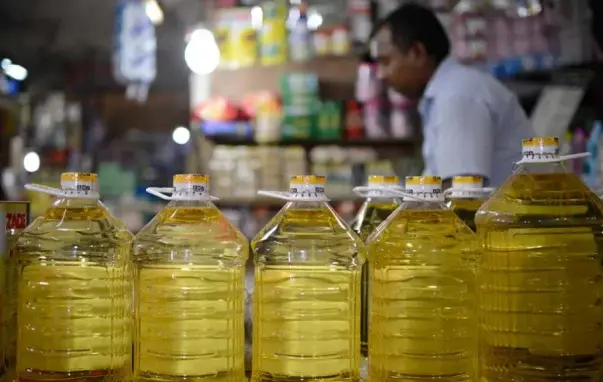

Import of edible oils during Oil Year 2023-24, as predicted earlier, reduced to 159.6 lakh tons from 164.7 lakh tons compared to previous year, thanks to larger domestic oilseed crops and higher price squeezed the demand
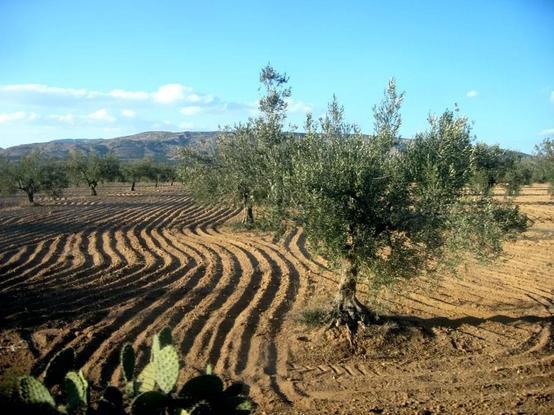
Agriculture plays a significant role in the Tunisian economy, forming 9.8% of GDP and providing 14.0% of total employment. Agricultural production is mainly concentrated in the northern coastal regions, while the southern part of the country, covered by the Sahara Desert, is poorly suited for agriculture.
https://globaltribune.net/tunisian-agriculture-production-imports-exports
#africa #tunisia #agriculture #food #crops #livestock #grain #oilseed #fish #milk
"In temperate zones lie most of the world’s richest countries, which have also been up till now the world’s major #breadbaskets, in meeting international #grain, #oilseed and #livestock product needs.
As the #climate warms up, agricultural pests and diseases are advancing northwards and becoming more widespread."

In temperate zones lie most of the world’s richest countries, which have also been up till now the world’s major breadbaskets, in meeting international grain, oilseed and livestock product needs. However, climate change is threatening to change the course of history, allowing some native pests to breed more frequently and longer, while invasive insects and …
#Oilseed rape (#OSR, Canola oil) is an important oil crop, but cultivation is #pesticide
intensive.
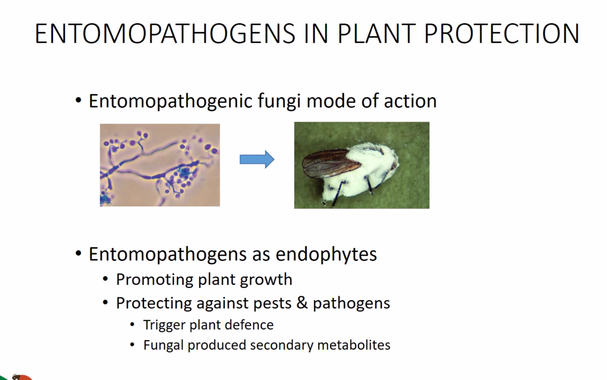
We inoculated plants with beneficial fungus Beauveria bassiana to see if it can protect them from pests.
Short answer: We had c. 30% success with endophytic colonisation and the colonised plants showed interesting metabolite developments but they still got eaten by the pests.
https://onlinelibrary.wiley.com/doi/full/10.1002/ps.7672
#SustainableAgriculture #BiologicalPestControl #Entomopathogens
 Peak Trading Research
 Michael Dmitriev
 Alexander J. Stein

 CelloMom On Cars
 Dr. Traci Birge
 Ruth Mottram
 Donnys2