TIL Network protocols Sans I/O ⚡

“… network protocol implementations written in Python that perform no I/O (this means libraries that operate directly on text or bytes; this excludes libraries that just abstract out I/O).” 🤯

Read the reference page 👇
https://sans-io.readthedocs.io/

#Reusability #Python #FastCGI #HTTP2 #H11 #IRC #OAuth2 #OAuthLib #WebSocket #SOCKS5 #RFC2217 #SerialOverIP #EPICS #FIX #QUIC #LanguageServerProtocol #SMTP #DBus #ThorlabsAPT #Matrix #SSL #TLS #CPython #multipart #formdata

Network protocols, sans I/O — Sans I/O 1.0.0 documentation

Using oauthlib.oauth2.rfc6749.clients.web_application and prepare_grant_uri in python to create a web application that authenticates and authorizes users with an OAuth 2.0 provider.
#python #oauthlib #oauth2 #rfc6749 #clients #web_application #3.2.2
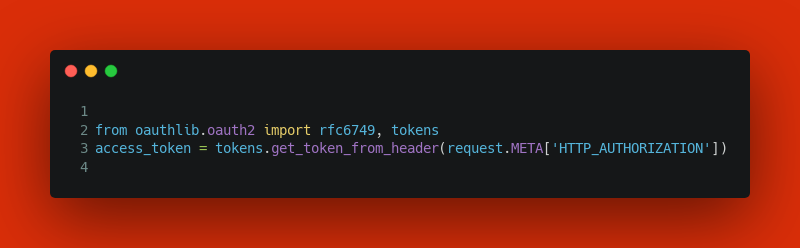
Use oauthlib's get_token_from_header to extract access token from the Authorization header in a OAuth2.0 authentication flow. #python #oauthlib #oauth2 #rfc6749 #tokens #3.2.2
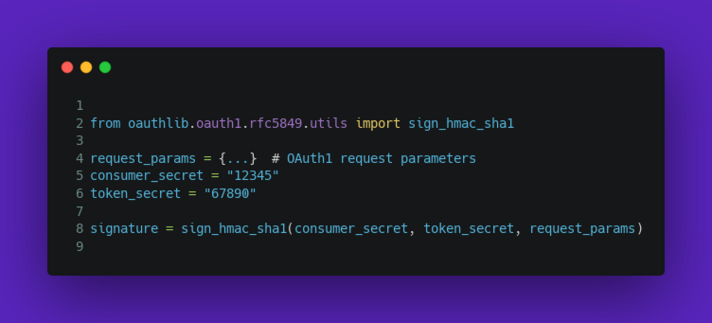
The `oauthlib.oauth1.rfc5849.utils` module in OAuthlib provides utility functions for OAuth 1.0a requests and responses. A simple use case is to sign OAuth1 requests using HMAC-SHA1 algorithm. #python #oauthlib #oauth1 #rfc5849 #utils #3.2.2
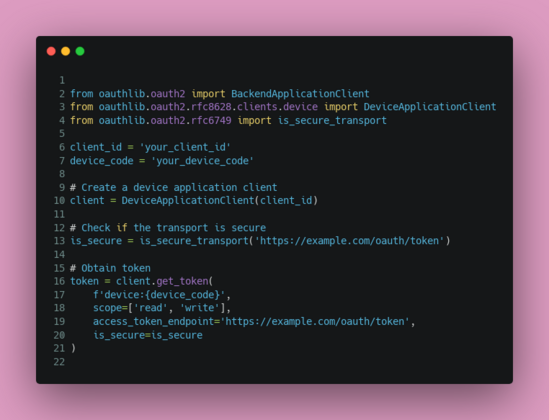
The `oauthlib.oauth2.rfc8628.clients.device` module allows devices with limited input options (e.g., smart TVs) to obtain OAuth tokens, while `is_secure_transport` checks if the transport is secure. #python #oauthlib #is_secure_transport