 Instituto Arte y Sociedad
"En la costa sur de Perú sobreviven acueductos prehispánicos diseñados para el manejo de agua durante periodos de climas extremos como los que se viven actualmente"
 Hidden Gems
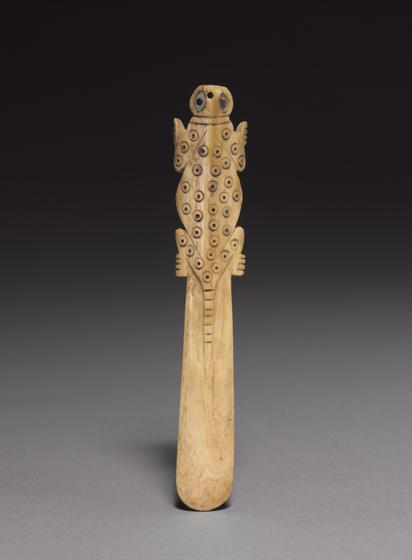
Discover the intricate beauty of the Nasca-style spatula adorned with a lizard, reflecting the sacred rituals surrounding the coca leaf. This merging of artistry and functionality sparks curiosity about ancient practices. What stories do you think it holds?
#ClevelandArt #Nasca #CocaLeaf #ArtHistory
https://clevelandart.org/art/1955.83
#ClevelandArt #Nasca #CocaLeaf #ArtHistory
https://clevelandart.org/art/1955.83
 Bruce Hallman
The theme today is #soft for #mARTch, #makersMARTch and #ArtYear.
Well, #earthworms are soft, and here is a #watercolor illustration I made last year of a #Nasca earthworm.
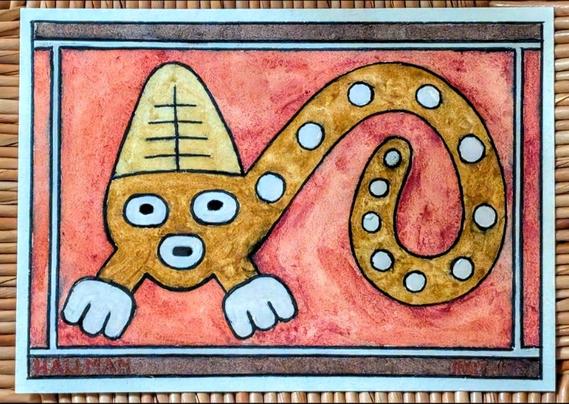
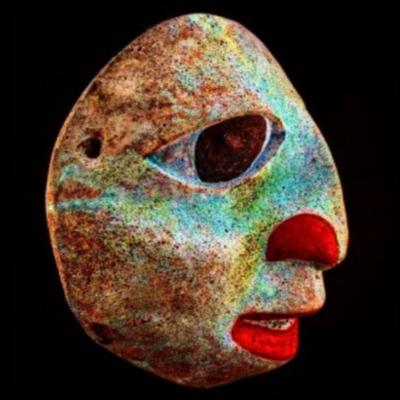
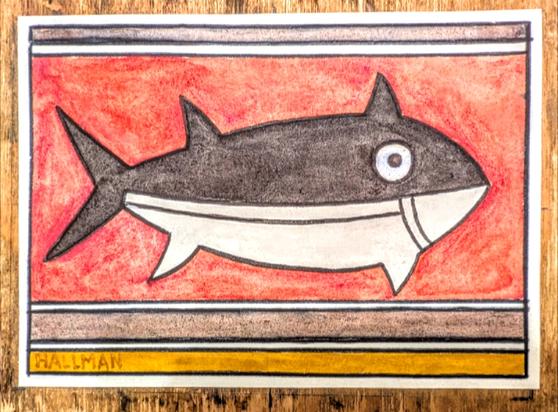
#FebruARTy Because I am intrigued with the mysterious iconography of the #Nasca culture in ancient Peru here is another #watercolor study I made of a design I saw on a ceramic bowl for
#FishyFeb
 Météo Pédagogie
Inondations à #Nasca, à 250 km au Sud de #Lima #Peru suite à des pluies importantes dans les Andes débordant sur les régions de plaine
https://twitter.com/hombredeltiempo/status/1889795193823461465
🐦🔗 https://twitter.com/MeteoPedagogie/status/1889809160038162495
🕐 12/02 23:49

 Christina Dongowski
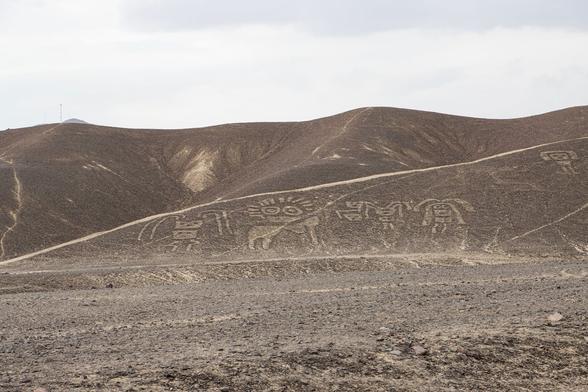
Next level photo-optics based #archaeology : Using #drones, #satellites & 3D-imagery archaeologists discovered a wealth of new old #geoglyphs in Peru, #nasca #nazcalines
https://www.nationalgeographic.com/science/article/new-nasca-nazca-lines-discovery-peru-archaeology

 Jens Notroff
But the even more important take away in all of this is: The #Nasca are so much more than these #geoglyphs!
There's been a lot of research about this whole ritual landscape, settlements, burials, and more in the #Palpa region:
And since the #Nasca weren't the only ones leaving such #geoglyphs, but rather joined there predecessors in doing so, we even can see a #chronological development in their complexity:

We know about the "who" thanks to years of field research, excavations, and analysis - showing that the same designs used for these #geoglyphs are also appearing e.g. on #pottery vessels of the #Nasca:
https://people.umass.edu/proulx/online_pubs/Nasca_Ceramic_Iconography_Overview.pdf
Since with the news about these newly (re-)discovered #Nasca lines a lot of takes about their supposed "mystery" pop up again: Do we really not know who made them? 🤔
Well, ongoing research in #Archaeology could (and does 😀) tell:
📖 https://nationalgeographic.com/science/article/new-nasca-nazca-lines-discovery-peru-archaeology