 Txifliti
Zure izena #NancyGraceRoman teleskopioan juteko aukera ematen du NASAk.

Zure izena #NancyGraceRoman teleskopioan juteko aukera ematen du NASAk.
Sergey Krikalevek dio #Orel-eko jaitsierako kapsula, helikopterotik jaurtitzeko lehen probak "laster" egingo direla.
#Artemisa2-ko eskifaia gaur iritsiko da Kennedy Zentro Espazialera bere berrogeialdiarekin jarraitzeko.
NASAk #NancyGraceRoman teleskopioa osorik aurkeztuko du.
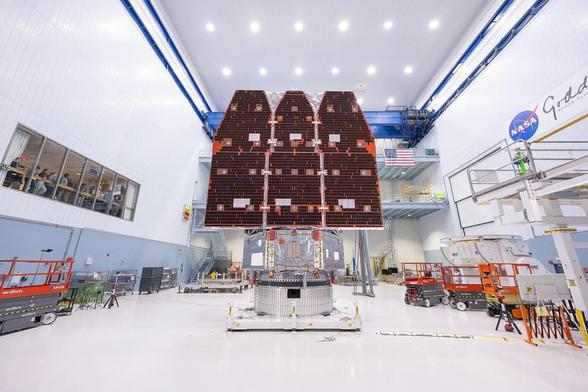
Modern astronomy has a new giant among its ranks.
NASA has completed the assembly of the
Nancy Grace Roman
space telescope
in the laboratories of the Goddard Space Flight Center.
The result of an ambitious project conducted piece by piece,
this new observatory is in line with the Hubble and James Webb, while displaying distinct capabilities.
#NancyGraceRoman
#spacetelescope
https://www.science-et-vie.com/ciel-et-espace/le-telescope-nancy-grace-roman-va-nous-aider-a-resoudre-les-plus-grandes-enigmes-de-lunivers-221709.html
Roscosmos-ek eta Indiak, etorkizuneko #ROS eta #BAS estazio espazialak 51.6° inklinazio orbitan kokatzea adostu dute.
#NancyGraceRoman teleskopio espaziala amaituta dago. Jaurtiketa 2027rako aurreikusita dagoen arren, NASAk 2026-ko bukaeran jaurtitzea espero du.

Quella volta che Superman portò in orbita Hubble
https://edu.inaf.it/approfondimenti/scoperte/quella-volta-che-superman-porto-in-orbita-hubble/
Nella prima pagina di Action Comics 419 del 1972 vediamo uno shuttle che rilascia in orbita un satellite che assomiglia al telescopio spaziale Hubble: scopriamo come questo albo ha aiutato il famoso telescopio ad andare nello spazio!
#CaryBates #CurtSwan #LymanSpitzer #NancyGraceRoman #PeteSimmons #spaceShuttle #Superman #telescopioSpazialeHubble
#NancyGraceRoman #spacetelescope could detect #supermassivedarkstars
https://phys.org/news/2023-06-nancy-grace-roman-space-telescope.html

The first stars of the universe were very different than the stars we see today. They were made purely of hydrogen and helium, without heavier elements to help them generate energy in their core. As a result, they were likely hundreds of times more massive than the sun. But some of the first stars may have been even stranger. In the early universe, dark matter could have been more concentrated than it is now, and it may have powered strange stellar objects known as dark stars.
 Benjamin Carr, Ph.D. 👨🏻💻🧬
 Capitalmind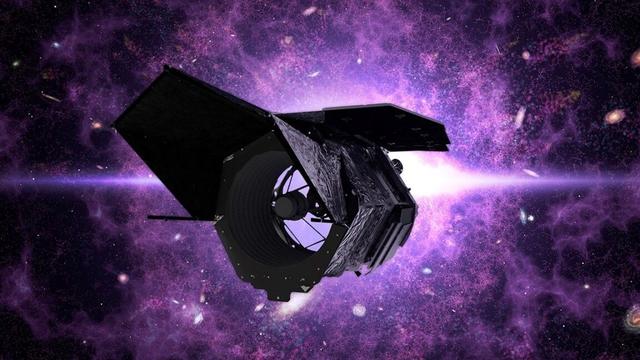
 Chuck Darwin
 EduINAF
 Ansgar Schmidt

 Corrado