The Use of Canaries as Biological Early Warning Systems in Coal Mines
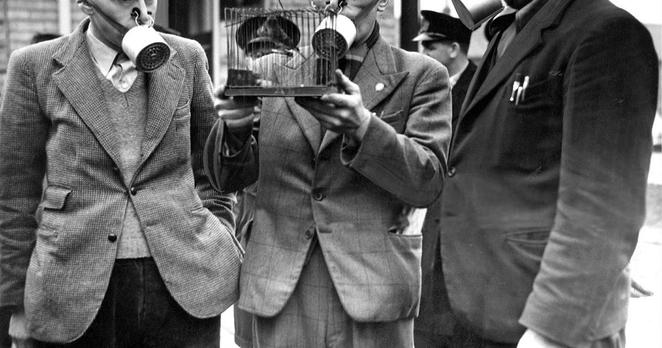
The use of canaries in coal mines started in the late 19th century as a life-saving measure against invisible toxic gases. British scientist John Scott Haldane proposed the idea in 1895 after investigating mine disasters, realizing that carbon monoxide poisoning caused most deaths following explosions. Canaries were chosen because of their highly efficient respiratory systems, which include air sacs that deliver a double dose of oxygen and any toxins with each breath. Due to their small size and rapid metabolism, canaries react to carbon monoxide about 20 times faster than humans, showing distress by stopping their songs and falling unconscious well before miners felt symptoms. This provided crucial time for evacuation. Miners formed strong bonds with these birds, treating them as companions rather than disposable tools. Haldane also invented a special resuscitator cage with an oxygen supply to revive affected canaries quickly. The practice became mandatory in Britain in 1911 and spread to other countries including the US and Canada. Primitive methods like flame tests with lamps had failed to detect carbon monoxide reliably. The tradition continued into the 1980s until electronic gas detectors replaced the birds in December 1986. Many mining communities kept aviaries afterward as tributes to the thousands of lives saved by these small yellow birds over nearly a century of service.
The Use of Canaries as Biological Early Warning Systems in Coal Mines
The use of canaries in coal mines started in the late 19th century as a life-saving measure against invisible toxic gases. British scientist John Scott Haldane proposed the idea in 1895 after investigating mine disasters, realizing that carbon monoxide poisoning caused most deaths following explosions. Canaries were chosen because of their highly efficient respiratory systems, which include air sacs that deliver a double dose of oxygen and any toxins with each breath. Due to their small size and rapid metabolism, canaries react to carbon monoxide about 20 times faster than humans, showing distress by stopping their songs and falling unconscious well before miners felt symptoms. This provided crucial time for evacuation. Miners formed strong bonds with these birds, treating them as companions rather than disposable tools. Haldane also invented a special resuscitator cage with an oxygen supply to revive affected canaries quickly. The practice became mandatory in Britain in 1911 and spread to other countries including the US and Canada. Primitive methods like flame tests with lamps had failed to detect carbon monoxide reliably. The tradition continued into the 1980s until electronic gas detectors replaced the birds in December 1986. Many mining communities kept aviaries afterward as tributes to the thousands of lives saved by these small yellow birds over nearly a century of service.

Xuất hiện vết nứt tại bãi thải mỏ sắt ở Thái Nguyên
Trước nguy cơ sạt lở từ bãi thải của Mỏ sắt Trại Cau (tỉnh Thái Nguyên), chính quyền địa phương đã phát hiện vết nứt, và khẩn trương di dời người dân ra khỏi khu vực nguy hiểm.
⚡️ Mine accident in Karaganda, Kazakhstan claims 36 lives with 10 miners still missing. 208 miners safely evacuated. Search efforts ongoing.
#minesafety #Kazakhstan https://www.riskmap.com/incidents/1942287/articles/196340646/?utm_source=dlvr.it&utm_medium=mastodon
Death Toll In Kazakhstans Mine Accident Rises To 36 – Hazards Risk – RiskMap
Astana, Oct 29 The death toll in the mine accident in Kazakhstans Karaganda region has risen to 36, the countrys Ministry of Emergency Situation...
⚡️ Tragic incident at Lilian Mine in Zimbabwe as underground water floods mine tunnels, trapping 14 miners. Six victims identified by next of kin, while eight managed to escape. Zimbabwe Republic Police urges mine operators to prioritize worker safety.
#MineSafety #Zimbabwe https://www.riskmap.com/incidents/1873088/articles/186616248/?utm_source=dlvr.it&utm_medium=mastodon
Zimbabwe Police Release Names Of Six Victims In Lilian Mine Incident – Miscellaneous Risk – RiskMap
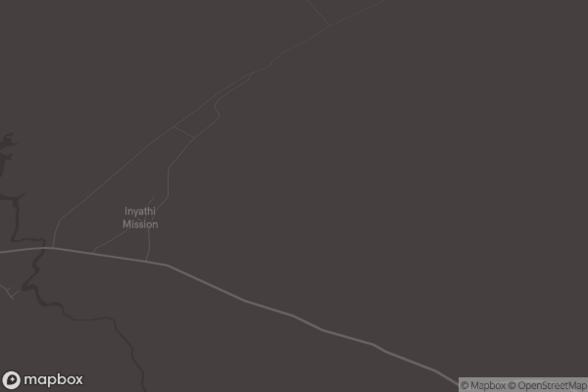
The Zimbabwe Republic Police has released the names of six victims in the tragic incident at Lilian Mine in Inyathi on August 3, 2023. UP...
How Regulation Came to Be: Cherry Mine, pt. 3 (16th in series)
In the aftermath of the St. Paul Coal Mine disaster at Cherry, Illinois, which killed 259 workers, various laws & regulations & oversight were inaugurated.
https://www.dailykos.com/stories/2009/11/13/804024/-100-Years-Ago-Remembering-Cherry
#HowRegulationCameToBe #Regulation #History #BureauOfMines #MineSafety #Coal #Illinois #ChildLabor #WorkersCompensation #Enforcement #Oversight
Unmarked graves, an 'ugly history': W.Va. weighs mine safety
HAVACO, W.Va. (AP) — Mayapple plants sprout in the sunken soil where the bodies lie, their leaves sheltering the unmarked graves like tiny umbrellas. The forgotten burial ground is overrun by four-wheel tire tracks near a path strewn with discarded bottles and other trash.
 KillBait News
 KillBait
 Headlines Africa
 RiskMap
 Jonathan D. Abolins
 Elizabeth Winter
 tend2wobble