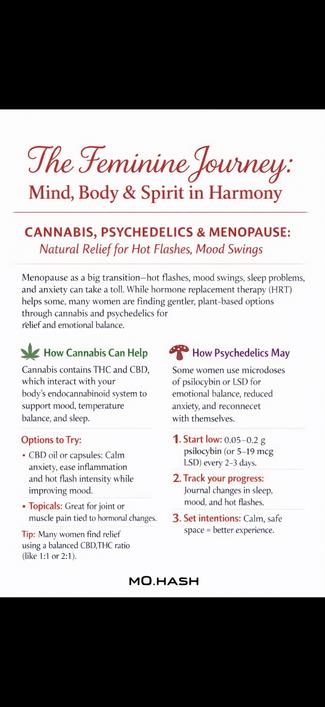
Hudebnici Terezii Kovalové microdosing psychedelik (užívání velmi nízkých dávek) zachránil život. „Kdybych to měla říct natvrdo, tak jsem už pak neměla chuť se zabít,“ říká s tím, že efekt pocítila okamžitě. „Hned po prvním užití v ten den jsem věděla, že je něco jinak,“ doplňuje.
Major new study finds psilocybin microdoses improve the quality of creative ideas but not the quantity
#psychology #cognitivescience #health #mentalhealth #psilocybin #psychedelics #microdosing #Neuropharmacology

Taking tiny amounts of psilocybin helps the brain bypass conventional associations to reach more original solutions, according to a robust analysis of three double-blind clinical trials.
Relevance to mental health professionals: The study demonstrates a domain-specific effect of subthreshold psilocybin dosing on creative cognition—enhancing the originality of ideas relative to fluency without increasing overall idea production or convergent problem-solving. This distinction between divergent and convergent thinking informs understanding of cognitive flexibility and adaptive thinking in clinical and supportive settings. The mega-analysis of three trials, along with weight-based dosing considerations and blinding limitations, offers practical considerations for research design and potential future applications in mental health contexts.
Article Title: Major new study finds psilocybin microdoses improve the quality of creative ideas but not the quantity
Link to PsyPost Article: ift dot tt/Ixp41gl
Copy and paste broken link above into your browser and replace "dot" with "." for link to work. We have to do it this way to avoid displaying copyrighted images.
#psilocybin #microdosing #creativity #cognition #neuropharmacology
I note that mental health professionals—therapists, social workers, and counselors—will find these results pertinent. In two rigorous randomized, double-blind trials, psilocybin microdosing produced no reliable gains in memory, attention, or social cognition among healthy volunteers, despite pharmacological activity and anecdotal claims. Instead, the findings point to the placebo effect as a driving factor in subjective impressions, with blinding successfully maintained and no objective cognitive advantages detected.
Article Title: Psilocybin microdosing fails to boost cognitive performance in rigorous trials
Link to PsyPost Article: ift dot tt/DpXIgcY
Copy and paste broken link above into your browser and replace "dot" with "." for link to work. We have to do it this way to avoid displaying copyrighted images.
#psilocybin #microdosing #cognition #placeboeffect #randomizedtrial
"Imagine you purchase a bag of gummies labeled nootropic – a term used to describe substances that claim to enhance mental ability and function, or 'smart drugs.' However, within hours of consuming them, your heart starts racing, you’re nauseated and vomiting. Then you begin convulsing and have a seizure, resulting in a trip to the hospital.
You certainly did not expect to have such a severe reaction to an over-the-counter edible product, which is available online and in herbal and vape shops nationwide. What happened?
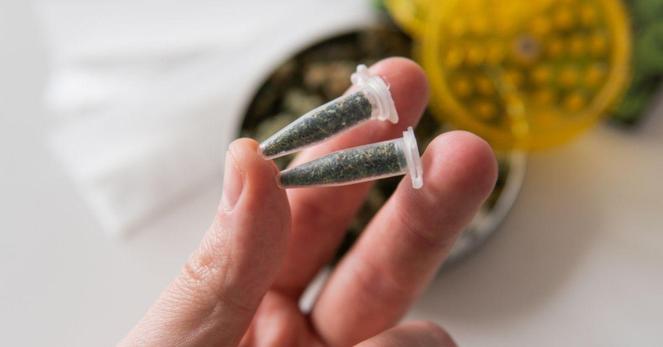
So-called 'microdosing' of mushrooms has been on the rise over the past few years, accompanying a shift in local policy in some areas and increasing research into its potential benefits for mood and mental health. Microdosing involves the ingestion of small quantities of psychoactive mushrooms, less than a regular dose and not in sufficient quantities to induce a 'trip' or psychedelic experience, but to boost mood, creativity, concentration or productivity.
Psychedelic mushrooms are illegal at the federal level, restricted as a 'Schedule 1' substance by the Food and Drug Administration, though some states and local municipalities have begun the process of decriminalizing the possession of these mushrooms.
This greater acceptance of mushrooms and psychedelics has led to a growing market for edible products containing non-hallucinogenic mushroom species that are appearing on the shelf at grocery stores, vape shops, even gas stations, with claims that these products improve mental function.
To meet demand, manufacturers are also turning to other types of mushrooms – including both psychoactive and non-psychedelic – some of which are potentially more toxic. But key pieces of information are often missing for consumers to make informed decisions about which products to consume."
With little evidence or regulatory oversight, some mushroom products claim to improve cognitive function while posing a risk of serious side effects, including seizures and cardiovascular risk.