768 pieces of O-Pee-Chee gum was found still in its original packaging from 1979. There is one case of 16 boxes with 48 sealed packages. There has been much talk of keeping the case pristine, so too, the boxes and each package. I say no to this when valuable experiments could be done to the gum. Maybe not 768 experiments, but a few.
For those of you who don’t know, a stick of O-Pee-Chee gum was inserted inside a package with 14 hockey cards. This semi-miraculous gum would last for about a year, or at least all the way through the hockey season. But can it last a full 45 years after having been made? That is the delightful science experiment we can decide once and for all. Personally I believe that not only is it possible, it will taste as fresh as it did 45 years ago.
They are auctioning off the case. I believe science money would be well spent buying the case. Unfortunately, sport card collectors are speculating that there should be 25 to 30 Wayne Gretzky rookie cards in this case. This will likely drive up the price. Still, I believe science will be able to outbid the collectors. After all, guaranteed science out weighs what amounts to gambling on the Wayne Gretzky rookie cards. Indeed, there might be zero of these in the entire case.
This is how I fantasize the science would be done. First of all, just one stick of gum would be opened. A machine would measure the pollutants in the air released, which comes from London, Ontario’s past which was much more polluted.
Then we could rifle through the package and retrieve the O-Pee-Chee gum. Next an electronic sniffer would sniff the gum. But if I was one of the scientists, I would use my own sniffer. I imagine 45 year old O-Pee-Chee gum smells a lot like the gum did in its first year.
We wouldn’t taste the gum right away because it might be dangerous. Some of the gum may have broken down into poisons. Instead we would find out most of what it was made out of by such things as spectroscopy and using a mass spectrometer, etc.
If the gum passes these tests, it would finally be time to test the gum on a grad student. They might still die but that is the risk that senior scientists are willing to take. If they respond by going “Yuk, this is gross” then we know that O-Pee-Chee gum isn’t still good after 45 years. If they go, “Meh, let me see some reading material while I chew on this,” and then proceed to read through the opened hockey cards, then you know it has its original flavour. If they go “Yum, this is wonderful” then you know they have smoked some weed just a few minutes earlier.
Assuming the grad student went “Meh”, it is now the senior scientists’ chance to also try the gum. Does the taste take them back to their youth when they collected these cards and of course ate the gum? I suspect it will. Why? Because sugar is a great preservative and I think 45 years is nothing for something with as much sugar as O-Pee-Chee gum.
Then, if the senior scientists must, they will search through the opened cards for a Wayne Gretzky rookie card. Perhaps they can recover the cost of this experiment.
Then they will preserve the rest of the boxes and packages for 45 years in the future where they will, once again test the gum. It is after all important to find out how long O-Pee-Chee gum can last. It could be used on very long space voyages.
https://larryrusswurm.com/2024/02/03/45-year-old-pristine-o-pee-chee-gum-found/
#14HockeyCardsPerPieceOfGum #2530WayneGretzkyRookieCardsPossible #45YearsOld #bubbleGum #caseOfHockeyCardsFound #collectors #gambling #massSpectrometer #OPeeCheeGum #OntarioSPastPollutedAir #spectroscopy #sportCards #sugarIsGreatPreservative #testGumOnGradStudent #thisGumWouldLastAtLeastAYear #WayneGretzky
 ourmechanicalworlds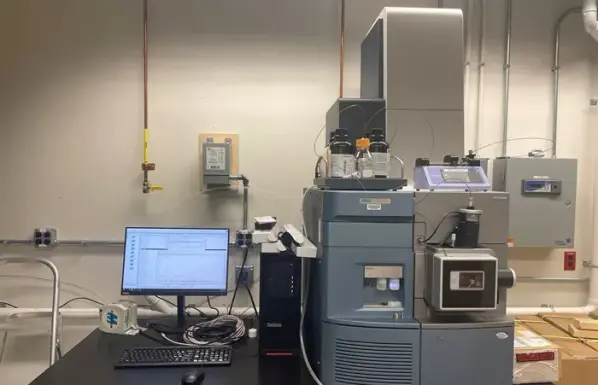
 13
13
 xro
xro
 Larry Russwurm
 hackaday unofficial