 Headlines Africa
Rising threat of Kala-Azar disease in Kenya: a growing health concern http://newsfeed.facilit8.network/TQs2Pv #KalaAzar #HealthConcern #DiseaseOutbreak #Kenya #ClimateChange
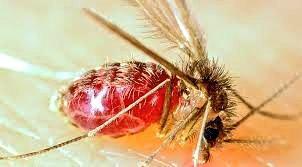
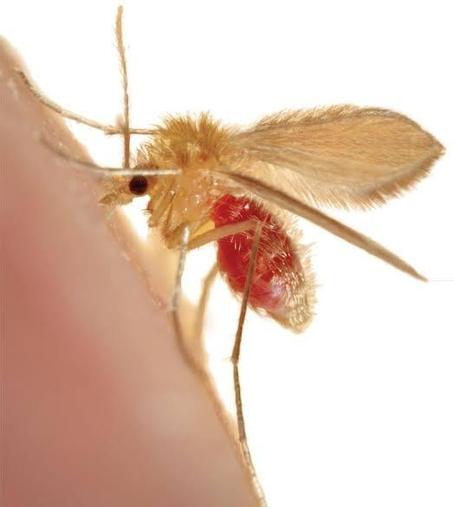

Author summary The present study was conducted in a kala-azar endemic block of Malda district, West Bengal. The study areas were divided ‘Study’ and ‘Control’ arm and three active mass surveys were conducted for detection of visceral leishmaniasis (VL), post kala-azar dermal leishmaniasis (PKDL) and asymptomatic leishmanial infection (ALI). In the ‘Study’ arm, diagnosed ALI cases were treated with Liposomal Amphotericin B. No significant difference was noted between the incidence of VL and PKDL cases in ‘Study’ and ‘Control’ arm. But the incidence of ALI cases declined sharply in ‘Study’ arm and increasing trend was observed in ‘Control’ arm. A significantly higher rate of sero-conversion was noted in ‘Control’ arm. In both ‘Study’ and ‘Control’ arm, the sero-conversion rate was significantly associated with untreated ALI burden. Persistence of significant number of PKDL and ALI and ongoing transmission as evidenced by new infection and detection of leishmanial DNA in sand-flies may jeopardise the maintenance of post-elimination phase. Therefore, constant vigilance is highly needed to prevent resurgence of VL epidemic. Detection and long-term follow-up of ALI may also help to sustain the elimination. However, feasibility and cost-effectiveness study for detection and treatment of ALI should also receive attention.
 Hon.Muhsinbille
 prabirkc