Fatalism
Fatalism is the philosophical belief that all events are predetermined & inevitable, making human âfree willâ basically irrelevant to the ultimate outcome.
Determinism, predestination, & fatalism are often used interchangeably. But there are nuances:
- Determinism: The belief that every event is caused by preceding events & the laws of nature. If you knew the position of every atom in the universe, you could predict the future. Itâs about cause & effect.
- Predestination: A theological concept (like we saw with the Calvinists) where a sovereign God has decreed the end from the beginning. Itâs about divine will.
- Fatalism: The belief that âwhatever will be, will beâ (Amor Fati), regardless of the causes or divine decrees. It suggests that even if you try to change the path, youâll still arrive at the pre-set destination.
In the Greco-Roman world, Fatalism wasnât a theory. It was a cosmic reality. The Greeks envisioned fate as 3 sisters: Clotho (the spinner), Lachesis (the allotter), & Atropos (the unturnable, who cut the thread). Even the gods were subject to the Fates.
This created where heroism wasnât defined by changing oneâs fate. But by facing it with dignity. For example, Oedipus tries everything to avoid the prophecy that heâll kill his dad & marry his mom. His very attempt to flee is what ultimately fulfills it.
The Stoics (like Seneca & Marcus Aurelius) practiced a form of ârational fatalism.â They compared humans to a dog tied to a moving cart. The dog can either trot happily with the cart (accepting fate) or be dragged kicking & screaming. The destination is the same. The only thing you control is your internal attitude.
The most famous challenge to fatalism is the Lazy Argument: If itâs fated that youâll recover from an illness, youâll recover whether you call a doctor or not. Philosophers like Chrysippus countered this by arguing that certain outcomes are âco-fated.â
It may be fated that you recover. But itâs also fated that you recover because you called a doctor. Your action is a link in the chain of fate, not an alternative to it.
In Islam, the concept of Qadar emphasizes a balance between divine sovereignty & human responsibility, folk traditions across the Middle East & South Asia have historically leaned toward a âwrittenâ destiny (Maktub â âit is writtenâ). This perspective often provided a psychological cushion against the frequent tragedies of the medieval world, like a plagues or invasions.
American culture is infamously anti-fatalistic. The famous âAmerican Dreamâ is built on the idea that you can pull yourself up by your own bootstraps & be the architect of your own destiny/fortune. However, fatalism does exist in American conscienceness in 2 specific ways:
- Literary Naturalism
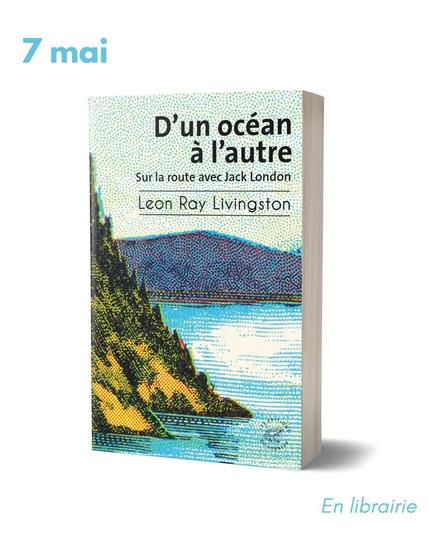
- In the late 19th & early 20th centuries, American writers like Stephen Crane & Jack London moved away from Romanticism toward Naturalism. They portrayed humans as âsmall, soft thingsâ at the mercy of indifferent forces (biology, heredity, & environment). In Craneâs The Open Boat, the universe is depicted as a giant machine that doesnât care if you live or die. This is âModern Fatalism.â
- âAppalachian Fatalism
- Often misunderstood as laziness, this fatalism was a cultural adaptation of the Appalachian region, dominated by dangerous coal mines & unpredictable poverty. If your life depends on a mine roof that could at any moment regardless of your skill, or a boom-or-bust economy you canât control, a fatalistic worldview (âItâs in Godâs handsâ) becomes a survival mechanism to manage chronic stress.
In modern physics, the Block Universe theory (based on Einsteinâs General Relativity) suggests that time is a dimension just like space. If the past, present, & future all exist simultaneously in a âblock,â then the future is technically as fixed & unchangeable as the past. If using this view, our perception of âchoosingâ is just an illusion created by our movement through the time dimension. Essentially this is Scientific Fatalism.
The philosopher Karl Popper once joked that the fatalist is the person who looks both ways before crossing a 1-way street. Deep down, even those who claim the future is a fixed act, though their choices matter.
Make a one-time donation
Your contribution is appreciated.
Donate
Make a monthly donation
Your contribution is appreciated.
Donate monthly
Make a yearly donation
Your contribution is appreciated.
Donate yearly
#AmorFati #AppalachianFatalism #Atropos #BlockUniverse #BlockUniverseTheory #Calvinists #Chrysippus #Clotho #Determinism #Early20thCentury #Fatalism #Fates #FreeWill #Greeks #Islam #JackLondon #KarlPopper #Kismet #Lachesis #Late19thCentury #LazyArgument #LiteraryNaturalism #Maktub #MarcusAurelius #MiddleEast #ModernFatalism #Moirai #Naturalism #Oedipus #Predestination #Qadar #RationalFatalism #Romanticism #ScientificFatalism #Seneca #SouthAsia #StephenCrane #Stoics #TheOpenBoat