 The Bad Place
English – The Conversation | Global supply chains keep workers poor: three case studies show how the cycle can be broken by Annika Surmeier, Senior Lecturer, Graduate School of Business, University of Cape Town, University of Cape Town
AI generated summary, Read the full article for complete information.
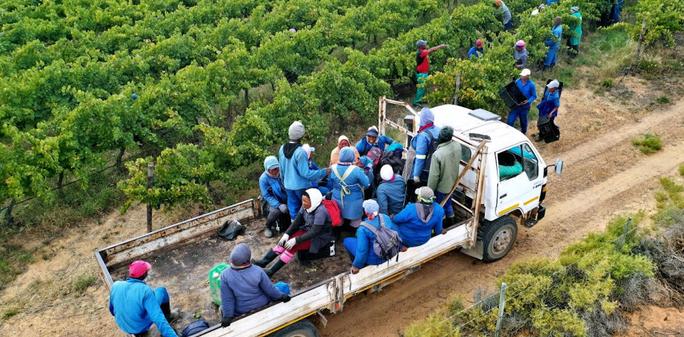
Globally, about one‑fifth of workers live in poverty because global supply chains concentrate value in multinational buyers while keeping wages low, a pattern that fuels a “race to the bottom” across sectors such as agriculture, tourism and retail. Although standards‑based and certification schemes have aimed to improve conditions, they often backfire by pressuring producers to cut labour costs, as seen in South Africa’s fruit export industry. Recent research on three African case studies—Nando’s PERi Farms supporting chilli farmers in Malawi, Zimbabwe and Mozambique; Mountain Harvest’s higher‑price, diversified coffee model in Uganda; and Fair Trade in Tourism’s collaborative, living‑wage‑linked certification in South Africa—shows that locally grounded, long‑term partnerships and shared responsibility among buyers, suppliers, workers and NGOs can raise incomes, improve working conditions and foster sustainable livelihoods. Achieving widespread living wages therefore requires moving beyond compliance‑only approaches toward collaborative sourcing, fair pricing and consumer support for ethically‑priced goods.
#InternationalLabour #Europeansupermarkets #Nandos #MountainHarvest #FairTrade