 PC
PC1930’s mixer. Our Airbnb is the second floor of one of few buildings that survived the 1912 flood.
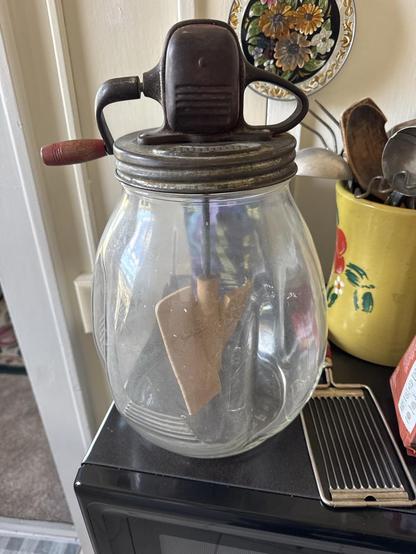
1930’s mixer. Our Airbnb is the second floor of one of few buildings that survived the 1912 flood.
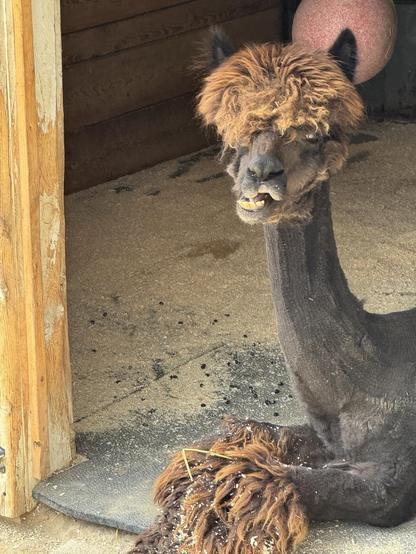
Billings Montana has a nice little rescue zoo.
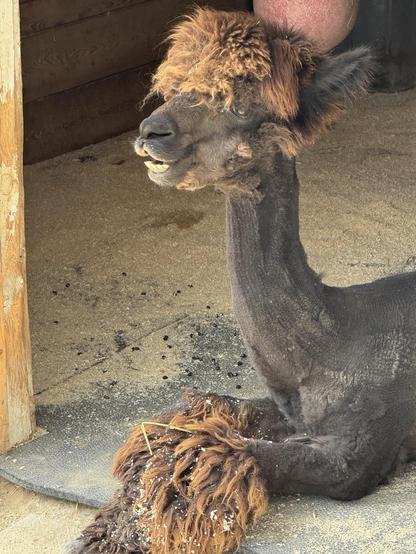
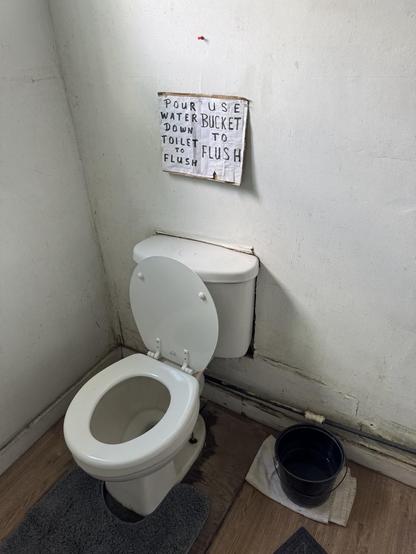
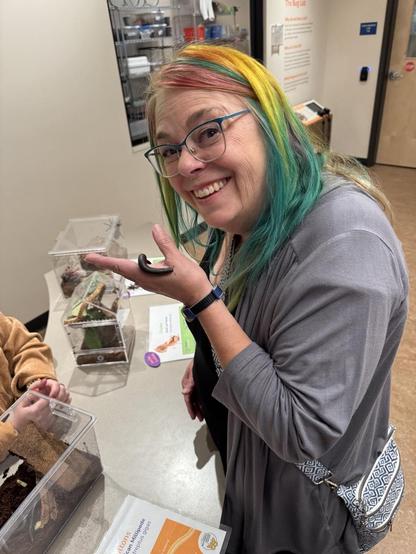
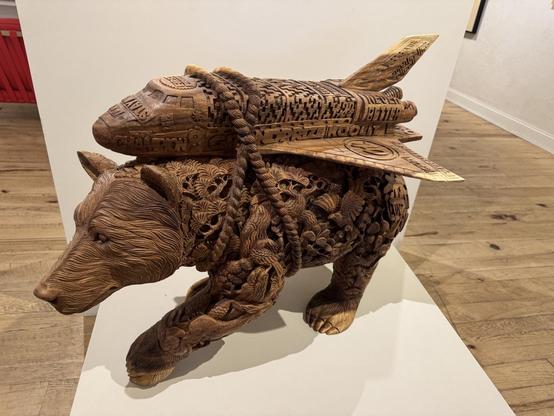
Love the little strange or interesting sights while traveling.
#WeirdTravel
#Art
#Sights
#Missoula
#Bozeman
#Montana
#RoadTrip
#I90

One thing I’ve learned is that even though we’re far into Montana, the rivers here still flow to the west because of Ancient Lake Missoula!

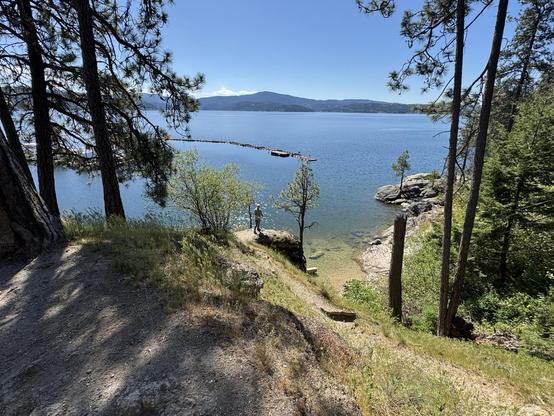
View from Tubbs Hill in Coeur d’ Alene Idaho.
Was greeted by an osprey hunting and later saw him bring a fish to his brood on the other side.
Dandelions everywhere!
Livingston Depot Center: Museum in the Heart of the Historic District
Livingston, Montana, is a city with a dual identity. Why? It’s part railroad town and part gateway to Yellowstone, the world’s first national park. The Livingston Depot Center museum in the city’s Commercial District is the best place to learn more about Livingston’s fascinating history.
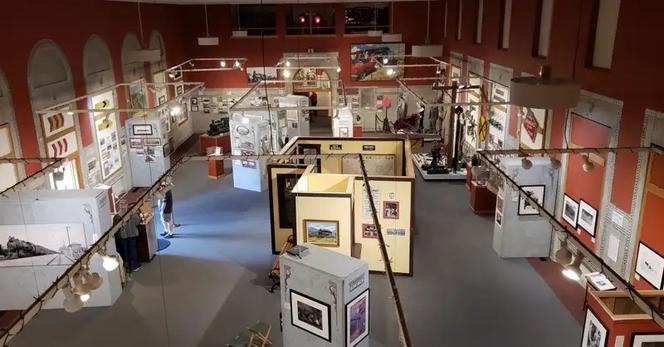
Livingston Depot Center Gallery with art and artifacts. Photo by Linda Aksomitis.Linda’s Pick of the Exhibits
While I love to ride the train, it was Livingston’s location as the gateway to Yellowstone National Park that most intrigued me. Why? The O.T.O. Dude Ranch–Montana’s first of its kind–was located about 10 miles north of the city.
How was the O.T.O. Dude Ranch established?The ranch was established in 1898 by Dick and Dora Randall. With the amazing vista of the Absaroka Mountains and Yankee Jim Canyon, as well as the Gallatin National Forest, the couple had found paradise. And they loved to share their paradise! Dick had been a hunting guide and his clients soon followed him to the new location.
Covering 3,265-acres, the ranch had a small cattle and horse operation. The ranch had hayfields, barns, corrals, and an irrigation system to support the ranch livestock.
While Dick offered guided hunts and mountain pack trips, it didn’t officially become a dude ranch until 1912.
So what exactly is a dude ranch? Well, the word dude was originally used to describe “city slickers,” or people who knew little about Western rural life. And a ranch, of course, was all about working cattle with horses.
Dude ranches bridged the gap between the two by allowing city slickers to experience Western life.
Once the Randall’s could no longer host everyone in their home, they built guest cabins.
That meant guests could bring families along to experience the ranch. Visits included meals and regular day-to-day ranching duties, so they could ride horses and work with cattle.
Wondering how Yellowstone National Park and the train hub fit in?
Guests who wanted to see Yellowstone National Park could take the Livingston train to Gardiner, the North Park entrance.
Pin me!Then, they needed a stagecoach, or by 1917, a motor bus, to tour Yellowstone National park.
Fast Fact: Dick Randall was a colorful character and brought many unusual guests to Montana, including members of America's wealthiest families and European royalty.What’s in the Livingston Depot Center?
The Livingston Depot Center museum is a moderate-sized historic 1902 train depot complex. It was designed by the same architects as New York City’s Grand Central Station.
Exterior of the Livingston Depot Center museum. Photo by Linda Aksomitis.The depot features a majestic colonnade. What’s that? A colonnade is a row of evenly spaced columns holding up a roof.
Being part of the historic district, the museum retains its key original features, such as its red-and-yellow-brick exterior and interior terrazzo floors and other ornate details.
Indeed, the building is faithful to a 1902-style depot, although the interior is home to galleries, offices, and an event area.
Interior of the Depot with the original Smoking Room. Photo by Linda Aksomitis.Permanent exhibits in the museum include:
As well as indoor exhibits, the Depot also has an elegant courtyard, shaded parks, and local shops.
Railroad History Exhibits
There’s lots to see in the museum when it comes to railroad exhibits! The Depot sits right next to active railroad tracks, so train enthusiasts can watch freight trains roll by.
Model Steam Locomotive with Tender model, built and donated to the museum by Arlen W. Kessler. It shows a 2-6-0 wheel arrangement in a 1 -1/2 inch scale. Photo by Linda Aksomitis.Ever wondered how trains used to work? The Depot collection includes artifacts from a Control Stand (with a key to explain what’s what) to promotional literature to Livingston Tourist Ware (e.g. 1902 blue bud vase and cream pitcher).
Fast Fact: The Livingston Model Railroad Club built a large HO-scale operation in the basement. They can run several trains at once--you can see the layouts during the club's public operating sessions. Contact the Depot to learn more.There are also many tools on display. They include things like:
Art Used to Tell the Livingston Story
It’s probably no surprise that art would be used to tell the story of the Livingston Depot. After all, it’s situated in one of the country’s largest natural parks with free-roaming bison, wolves, elk, grizzly bears, and more.
The permanent exhibit, Rails Across the Rockies: A Century of People and Places, mixes historical artifacts with art. Together, they create a visual history for visitors.
Likewise, the Remarkable Migrations exhibit is a blend of art and science. You’ll find large-format photos, along with paintings and drawings. They create a popular display that shows elk migration in the Greater Yellowstone Ecosystem.
Linda’s Road Trip Tips
Buy on Amazon or Barnes & Noble or in Bookstores.Livingston has four districts on the National Register of Historic Places. So, the city can be a full day stop.
Downtown (Commercial) Historic District in Livingston, Montana. Photo by Linda Aksomitis.Do take some time to explore the historic downtown–here’s a loop to get you started. Make your first stop the Livingston Depot Center, leaving your car there. Then walk to the Yellowstone Gateway Museum in the 1906 North Side School. This National Register of Historic Places building houses information about Lewis & Clark, transportation vehicles, and pioneer lifestyles.
Next, check out the Murray Hotel. It’s an historic lodging, dining, and local nightlife hub in the heart of the Commercial District. Built in 1904, there are around 25 rooms available. Features? A grand lobby and early 1900s hand-cranked Otis elevator.
From there, head on to Sax & Fryer. It’s regarded as the County’s oldest continuously operating business. The business began as a general store and newsstand tied to the Northern Pacific Railroad. Today, it’s most popular attraction for tourists is its collection of books about the American West.
Along the way, you’ll find lots of main street galleries and shops with all things Montana! Historic Montana provides a curated history of 22 buildings in the Livingston Commercial Historic District.
Who Should Visit the Livingston Depot Center?
The Livingston Depot Center is the perfect introduction to visitors heading to Yellowstone National Park through the North Entrance. In particular, the Remarkable Migrations exhibit is key in learning about the wildlife you’ll see in Yellowstone.
Railroad buffs will find the depot’s 20th-century architecture interesting.
Pin me!Likewise, the information on the parallel growth of the railroad and Yellowstone tourism provides a unique transportation perspective.
And if it’s Western art, wildlife photography, and historic illustrations that fascinate you, this is an important stop.
How long should you plan to stay? Overall, a museum stop takes about 45 to 90 minutes.
Of course, exploring the complex and historic downtown will add more time.
The main museum and exhibit spaces in the restored 1902 depot have accessible entrances and largely flat interior floors, suitable for visitors with wheelchairs, scooters, walkers, and children’s strollers.
While the outdoor courtyard and rail-viewing areas are generally flat, the terrain may not be even so can be more challenging.
How Do You Visit the Livingston Depot Center?
The Livingston Depot Center museum is the heart of downtown Livingston, Montana, on I-90.
Parking: There's lots of free parking around the museum and on the historic Main Street.Street Address: 200 W Park St, Livingston, Montana.
The museum is open seasonally. You can check dates and hours on the Livingston Depot Center website.
Keep up-to-date with what’s happening on the Livingston Depot Center Facebook page.
Take a virtual visit to Livingston and its attractions with Via Travelers video, 10 Best Things to Do in Livingston, Montana, on YouTube.
Plan your visit with Google maps.
Find More Museum Attractions in Montana
If you’re looking for things to see and do in Montana, check out all the Montana museum reviews on guide2museums.com.
Read More Transportation Museum Reviews



 AI6YR Ben
 guide2museums.com