 Dave
DaveHey @GustavOne - thank you for a wonderful SAO, I just added random LEDs and it looks amazing with added hot glue diffuser!
#simpleAddOn #simpleAddOns #Hackaday #HackadayEurope #HackadayEurope2026
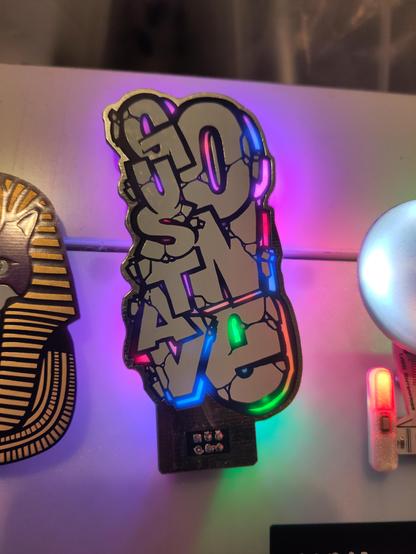
Hey @GustavOne - thank you for a wonderful SAO, I just added random LEDs and it looks amazing with added hot glue diffuser!
#simpleAddOn #simpleAddOns #Hackaday #HackadayEurope #HackadayEurope2026
I am returning a very high end fitness product. The hardware was defective or proprietary software was so bad or intentionally hostile. Did they use AI to design this thing? The lack of printed instructions to troubleshoot how to power it up and if it was supposed to lose all its memory after it died after a few minutes. I lost a lot of time with this. Did they test it before selling it? Not able to use it once.
I'm sure someone already published a quality DIY project on #hackaday and this is why I love open source open hardware.
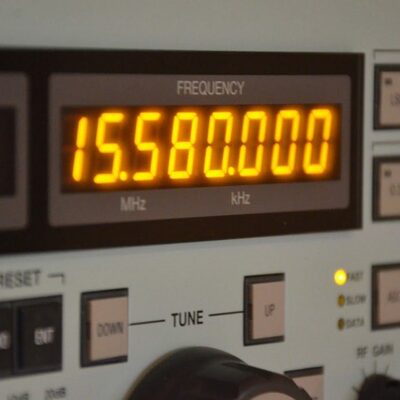
Hackaday Looks Back at Canada’s Legendary CHU Time Station
https://swling.com/blog/2026/05/hackaday-looks-back-at-canadas-legendary-chu-time-station/
#Hackaday:
"
Decoding The Tianwen-2 Sample Return Mission’s Telemetry Signal
"
"China’s Tianwen-2 asteroid sample return mission launched on 28 May of 2025 and is scheduled to arrive at its target – near-Earth asteroid 469219 Kamo’oalewa – in June 2026. .."
https://hackaday.com/2026/05/27/decoding-the-tianwen-2-sample-return-missions-telemetry-signal/
27.5.2026
#China #Kamooalewa #Raumfahrt #Raumsonde #SampleReturn #SpaceFlight #Telemetrie #Telemetry #Tianwen2
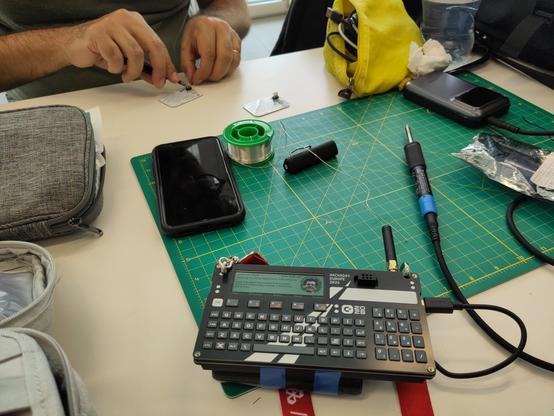
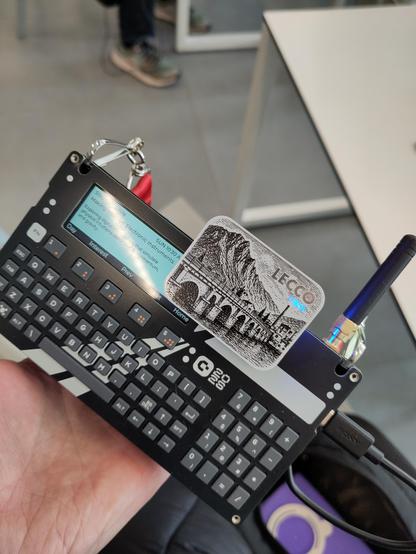
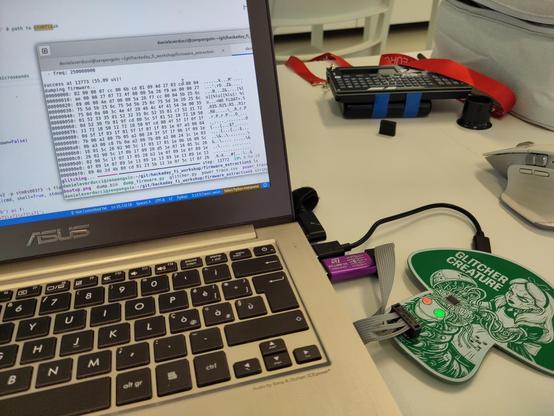
Hackaday Europe in Lecco, Italy was a blast!
My first ever Hackaday event, and probably not my last 😉
I met lots of people, both old friends and new, as well as some I already knew online but hadn't met in real life yet.
I also gave a lightning talk about what I'm currently up to with my Tiny FABulous FPGAs.
Now, with lots of nice goodies and a cool badge, I'm back home again.
Isn't #Hackaday also pay-for-placement? I thought a Mastodoner was complaining about this.
 diana 🏳️⚧️🦋🌱
 SWLing Post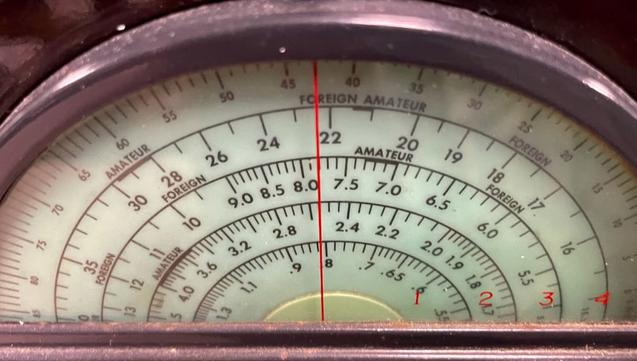
 RTN
RTN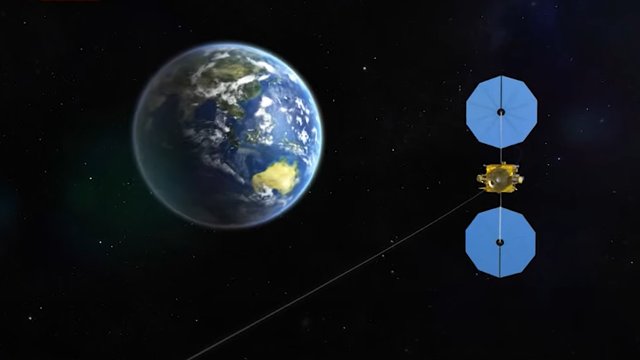
 mole99
 Large Format Projectionist
 Daniele Verducci 🧉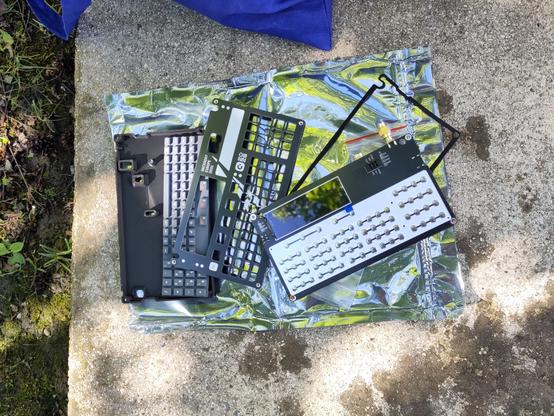
 Kay
Kay