"Lullabye (Goodnight, My Angel)" is a song by American singer-songwriter #BillyJoel, released in February 1994 by #ColumbiaRecords as the fourth and final single from his 12th album, #RiverOfDreams (1993). It was written and co-produced by Joel, inspired by #AlexaRayJoel, his daughter by #ChristieBrinkley. The song is in the key of #GMajor. It peaked at number 27 on the Canadian #RPM 100 Hit Tracks chart and number 77 on the US #Billboard #Hot100.
https://www.youtube.com/watch?v=dcnd55tLCv8
Billy Joel - Lullabye (Goodnight, My Angel) (Official Video)

YouTube

Maurice Ravel – Concerto per Pianoforte in Sol maggiore

Il Concerto per pianoforte in sol maggiore di Maurice Ravel è uno dei pezzi più brillanti e originali del repertorio pianistico del Novecento. È vivace, colorato e mescola influenze jazz con la tradizione classica europea, creando un mix unico che ha lasciato il segno nella storia della musica.

L’idea e il contesto

Maurice Ravel (1875-1937) iniziò a lavorare al Concerto in sol alla fine degli anni ’20, dopo un viaggio negli Stati Uniti, dove rimase affascinato dal jazz. A quel tempo, il jazz era una novità per molti compositori europei, un linguaggio fresco e rivoluzionario. George Gershwin, con la sua Rhapsody in Blue, aveva già dimostrato che il jazz poteva fondersi con la musica classica. Ravel, da sempre curioso e aperto alle novità, voleva fare qualcosa di simile, ma con il suo stile personale.

In origine, Ravel voleva suonare lui stesso la parte solista. Ma, pur essendo un compositore geniale, non era un pianista virtuoso, e questo gli rendeva il compito complicato. In più, la sua salute in declino e la sua ossessione per la perfezione lo portarono a rinunciare all’idea. Così affidò la prima esecuzione a Marguerite Long, una pianista molto nota all’epoca, che debuttò il concerto a Parigi nel 1932.

Il mio unico desiderio… era scrivere un vero concerto, cioè un’opera brillante, che mettesse chiaramente in luce la virtuosità del solista, senza cercare di essere profondo.”
Come modelli, ho scelto Mozart e Saint-Saëns, due musicisti che, secondo me, rappresentavano al meglio questo tipo di composizione. Ecco perché il concerto, che inizialmente pensavo di intitolare Divertissement, ha la classica struttura in tre movimenti.
Un Allegro iniziale, compatto e in stile classico, un Adagio centrale, dove ho voluto rendere omaggio alla tecnica “scolastica” in cui mi sono impegnato a scrivere al meglio delle mie capacità, e un ultimo movimento conclusivo, vivace in forma di Rondò, costruito seguendo le tradizioni più immutabili.

Maurice Ravel – intervista con il critico musicale Pierre Leroi, ottobre 1931

Lo stile: un ponte tra classico e moderno

Il Concerto i Sol racchiude tante sorprese. Ogni movimento ha il proprio carattere:

  • Primo movimento (Allegro): Ravel apre con un’esplosione di energia, fatta di ritmi sincopati e colori orchestrali vivaci. Le influenze jazz si sentono chiaramente, ad esempio nell’uso della scala blues. Ma tutto passa, sempre, attraverso la raffinatezza della scrittura classica. C’è anche un tocco di tradizione basca, molto cara a Ravel, nel tema iniziale.
  • Secondo movimento (Adagio assai): questo è il cuore lirico del concerto. Ravel lo definì lui stesso “dannatamente difficile da scrivere”. Si dice che si sia ispirato alla serenità e alla semplicità di Mozart, un compositore che ammirava profondamente, per creare la lunga e fluida melodia del pianoforte.
  • Movimento finale (Presto): qui Ravel scatena un movimento veloce e virtuosistico, pieno di ironia e brillantezza tecnica.

Classica e Jazz: è possibile?

Il Concerto in Sol è importante perché è uno dei primi esempi di fusione tra jazz e musica classica a livello sinfonico, portando una ventata di modernità nella musica europea. Mostra anche l’abilità di Ravel nel mescolare generi e stili senza mai perdere la sua inconfondibile eleganza.

È un esempio perfetto della virtuosità pianistica dei primi del Novecento: non solo mette alla prova la tecnica dell’esecutore, ma anche la sua sensibilità musicale.

Un aneddoto

Durante la composizione, Ravel portava sempre con sé un taccuino per annotare idee. Un giorno, mentre viaggiava in treno, sentì il ritmo delle rotaie e lo usò come ispirazione per il movimento finale. Questo fa capire quanto fosse attento ai suoni della vita quotidiana!

Compositori contemporanei a Ravel

Il jazz fu fondamentale anche per l’americano George Gershwin, ma mentre quest’ultimo lo metteva al centro della sua musica, Ravel lo integrava in modo più sottile e raffinato.

Ravel viene spesso paragonato anche a Claude Debussy, per lo stile impressionista delle sue composizioni. Ma se Debussy puntava più a evocare atmosfere piene di colori, Ravel aveva un approccio più strutturato e tecnico.

https://www.youtube.com/embed/9zIXSqyYyq0

#classical #ClassicalMusic #concerto #gMajor #jazz #MauriceRavel #music #newYork #orchestra #piano #pianoConcerto #ravel #symphonic #symphony

YouTube

Maurice Ravel’s Piano Concerto in G major

Maurice Ravel’s Piano Concerto in G major is one of the most brilliant and original works in the 20th-century piano repertoire. It’s lively, colorful, and blends jazz influences with the European classical tradition, creating a unique mix that left its mark on music history.

The idea and the context

Maurice Ravel (1875-1937) began working on the Concerto in G in the late 1920s, after a trip to the United States, where he was captivated by jazz. At that time, jazz was a novelty for many European composers and represented a fresh, revolutionary language. George Gershwin, with his Rhapsody in Blue, had already shown how jazz could merge with classical music. Ravel, always curious and open to new ideas, wanted to do something similar, but in his own way.

Ravel originally intended to perform the solo piano part. Despite being a brilliant composer, Ravel wasn’t a virtuoso pianist, which may have made the task challenging for him. Moreover, his declining health and perfectionist approach to the concerto’s composition led him to step back from performing. Instead, he entrusted the premiere to Marguerite Long, a renowned pianist of the time, who gave the first performance in Paris in 1932.

My only wish … was to write a genuine concerto, that is, a brilliant work, clearly highlighting the soloist’s virtuosity, without seeking to show profundity.
As a model, I took two musicians who, in my opinion, best illustrated this type of composition: Mozart and Saint-Saëns. This is why the concerto, which I originally thought of entitling Divertissement, contains the three customary parts.
The initial Allegro, a compact classical structure, is followed by an Adagio, in which I wanted to render particular homage to “scholasticism”, and in which I attempted to write as well as I could; to conclude, a lively movement in Rondo form, likewise conceived in accordance with the most immutable traditions.

Maurice Ravel – interview with the music critic Pierre Leroi, October 1931

The style: a bridge between classical and modern

The Concerto in G is like a box full of surprises. Each movement has its own character.

  • First Movement (Allegro): Ravel opens with an explosion of energy, full of syncopated rhythms and vivid orchestral colors. Jazz influences are clearly felt, such as in the use of the blues scale, but everything is filtered through the refinement of classical writing. A touch of Basque tradition, dear to Ravel, is present in the opening theme.
  • Second Movement (Adagio assai): This movement is the lyrical heart of the concerto. Ravel himself described it as “hellishly difficult to write.” It’s said that he drew inspiration from the serenity and simplicity of Mozart, a composer he deeply admired, to create the long, flowing piano melody.
  • Final Movement (Presto): Here, Ravel unleashes a fast and virtuosic movement, full of humor and technical brilliance.

Classical and Jazz: is it possible?

The Concerto in G is significant because it’s one of the first examples of blending jazz and classical music on a symphonic level, bringing a breath of modernity to Europe. It also showcases Ravel’s ability to mix genres and styles without ever losing his unmistakable elegance.

The concerto is a perfect example of early 20th-century pianistic virtuosity, highlighting not only the performer’s technical skill but also their musical sensitivity.

A composing anecdote

While composing, Ravel always carried a notebook to jot down ideas. One day, traveling by train, he heard the rhythmic cadence of the tracks and used it as inspiration for the final movement. This shows how attuned he was to the sounds of everyday life!

Ravel’s contemporary composers

Jazz was important for the American composer George Gershwin. When compared to him, Ravel integrated jazz in a more subtle and refined way, rather than using it as the main feature of his music.

Ravel is often compared to Claude Debussy, too, for the impressionist look and feel for his compositions. But while Debussy was more focused on evoking atmospheres full of colors, Ravel had a more structured and technical approach.

https://www.youtube.com/embed/9zIXSqyYyq0

#classical #ClassicalMusic #concerto #gMajor #jazz #MauriceRavel #music #newYork #orchestra #piano #pianoConcerto #ravel #symphonic #symphony

YouTube

You know those "Super Multi Major" vids on #YouTube done by MegaAmod and others? I've managed to figure out some of the video and audio FX used to make the different "majors" using Kdenlive.

  • Nyash XL: SwapUV, hue shift 180°, pitch up 3 semitones.
  • Nyash XXL: Hue shift 300°, pitch up 5 semitones.
  • #GMajor: Invert colors, layered pitches of -12, -5, 0, +4, +7, and +12.
  • "G Major" seen in multi major vids: SwapUV, Invert colors, hue shift 180°, layered pitches of -12, -9, -3, 0, +3, +9, +12.
  • Ultra Weird: Inverted colors, hue shift 180°. Layered pitches of 0, +4, & 7.
  • "Smoke Weed Every Day Major": Color effect set to "heat," 50% speed.
  • RARA: SwapUV + Hue shift 60°. Stacked pitches of 0, +3, +5
  • GALA: SwapUV
  • Hellraiser XL: SwapUV, invert colors, pitches -12, 0
  • UniColt: 45° hue shift, -5 pitch
  • Caffiene Overdose: SwapUV, Hue shift 300°, 150% speed

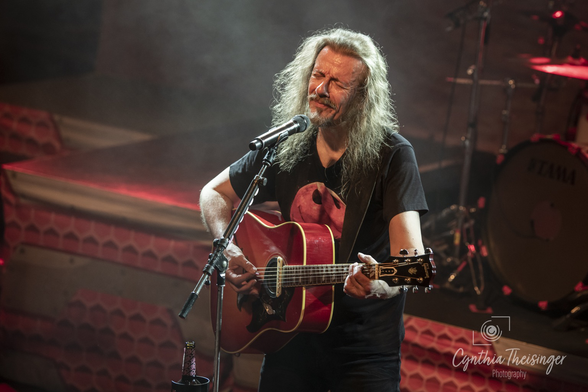
…dieses Gefühl, wenn Du von einem Tag singst an dem wirklich alles schief ging… was für ein Song könnte das sein… 😁😉

Hoffe, Ihr habt alle ein großartiges Wochenende! 😎

Pic.: Cynthia Theisinger // Sharpshooter Pics
#acousticguitar #gibsonacousticguitar #gibsondove #gibsondreadnought #dreadnoughtguitar #jbolive #jbokonzert #onstage #playinglive #longhair #beard #langehaare #bart #gdur #gmajor

Have been feeling rather wistful lately. The key of #GMajor has been speaking to my soul. Heard this song in a mix today - I 💙 the #PetShopBoys.

https://youtu.be/Ed1tv_gCOUA

#disco #dancemusic #popmusic

Pet Shop Boys - Left To My Own Devices

YouTube

@basedfyodor Pure Americana, right there.

Can someone please write a country song (Chord of #GMajor, with a little #Aminor bridge) about driving from Nacogdoches to Natchitoches, with Tangipahoa on my mind? I'm sure that would roll off the tongue like southern honeydew vine water...😂

Wordle 546 3/6
🟩🟩🟩⬜🟨
🟩🟩🟩🟩⬜
🟩🟩🟩🟩🟩 #wordle #aminor #gmajor #diameter