Did you know? In Irish mythology, carrying gold might save you from the Dullahan—the headless rider who names the dead.

Our latest blog takes you deep into the misty hills of Celtic legend, where this death-dealing specter still rides.
Learn about his origins, symbols, and how to avoid catching his gaze... if you can.

🖤 Read now: https://tasarlaromaney.wordpress.com/2025/05/17/the-bee-as-a-spirit-totem-animal-sacred-messengers-of-community-productivity-and-sweetness/
#CelticMythology #Dullahan #SpiritualFolklore #MythAndMagic #FolkloreBlog

The Bee as a Spirit & Totem Animal: Sacred Messengers of Community, Productivity, and Sweetness

Tiny but powerful, the bee is a symbol of magic, harmony, and focused energy. When a bee buzzes into your life as a spirit or totem guide, it’s a call to awaken your sense of purpose, collaboration…

Tasarla Romaney

You’ve sung it. You’ve rocked someone to sleep with it.

But have you ever stopped to think about what "Rock-a-bye Baby" really says?

🌬️ A baby in a tree...

💥 A broken branch…

💀 A chilling fall.

This isn’t just a lullaby—it’s a warning.

Read the unsettling truth behind one of the oldest nursery rhymes in my new blog.

https://tasarlaromaney.wordpress.com/2025/05/09/the-dark-meaning-behind-rock-a-bye-baby/

#DarkFolklore #CreepyNurseryRhymes #WitchTok #FolkloreBlog

The Dark Meaning Behind “Rock-a-bye Baby”

When Lullabies Lurk in Shadows Most of us know the soothing tune of “Rock-a-bye Baby.” It’s often one of the first lullabies we hear or sing—gently rocking a child to sleep with a song that has lul…

Tasarla Romaney

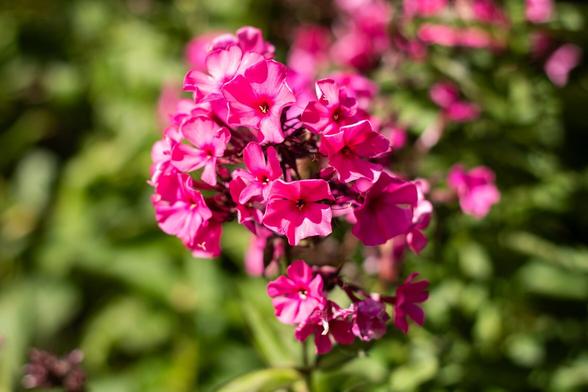
Phlox Paniculata, a flower from the central and eastern United States.

In the Victorian language of flowers, phlox meant 'unanimity'.

#Folklore #Flowers #CrookHallGardens #Phlox #FabulousFolklorePodcast #PlantLore #PhloxPaniculata #FolkloreThursday #FolkloreBlog #Floriography #VictorianLanguageofFlowers

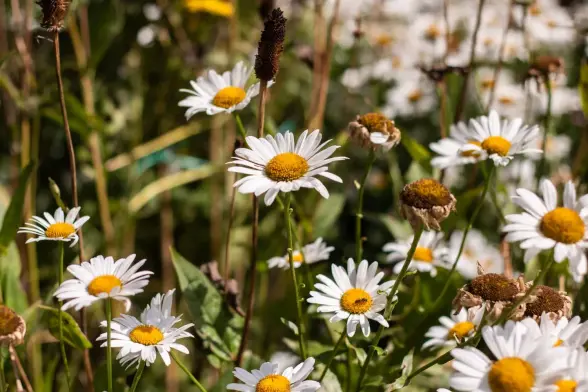
According to legend, knights in the Middle Ages would wear two daisies to show he was the favourite of the ladies.

Dreaming of daises in the spring or summer means good luck is coming, but dream of them in autumn or winter and bad luck is coming.

In the Victorian language of flowers, the daisy meant "innocence" and "I share your sentiments".

#Folklore #Flowers #FabulousFolklorePodcast #PlantLore #Daisies #Flowers #FolkloreThursday #FolkloreBlog #Floriography #VictorianLanguageofFlowers

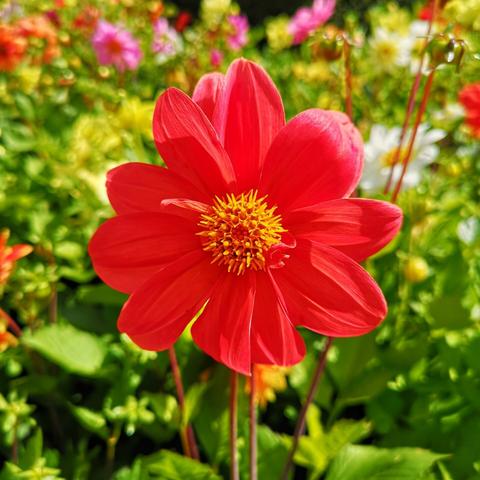
Red dahlia near Newcastle Civic Centre.

In Mrs L. Burke's 1867 Illustrated Language of Flowers dictionary, the dahlia meant 'instability'.

#FolkloreThursday #Folklore #PlantLore #Flowers #FolkloreBlog #FabulousFolklorePodcast #Dahlia #VictorianLanguageOfFlowers #Floriography #Plants

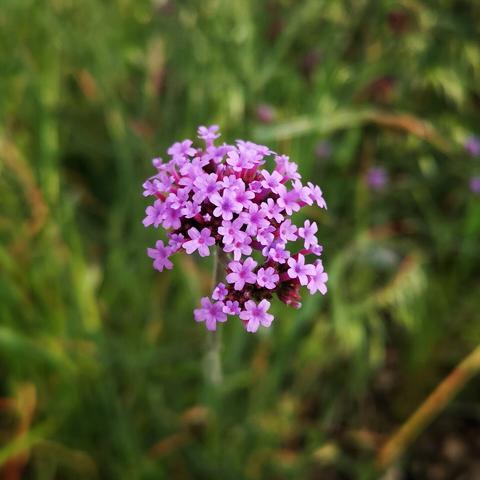
Argentinian vervain, or Verbena bonariensis, is incredibly popular with butterflies!

In the Victorian language of flowers, vervain meant 'enchantment'.

This might explain why it appears in folk magic, both to ward off evil, but also to make any wish come true if its undiluted juice is used in a potion.

#FolkloreThursday #Folklore #PlantLore #Flowers #HuaweiP20Pro #FolkloreBlog #FabulousFolklorePodcast #Vervain #MagicalPlants #Plants

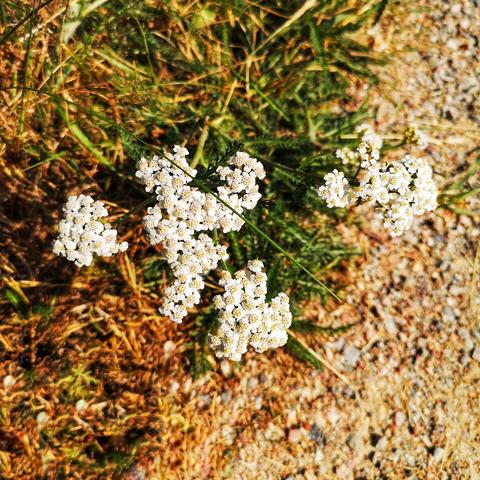
Common yarrow! Also known as Death Flower, Devil’s Nettle, Old Man's Mustard, Snake's Grass, and Woundwort.

You could wear yarrow for protection, or carry it to attract friends. Yarrow is excellent for banishing evil.

People once thought you could hang yarrow above the marriage bed if you'd used it in a wedding decoration, and this would guarantee seven years of true love.

#FolkloreThursday #Folklore #PlantLore #FolkloreBlog #FabulousFolklorePodcast #Yarrow #Plants

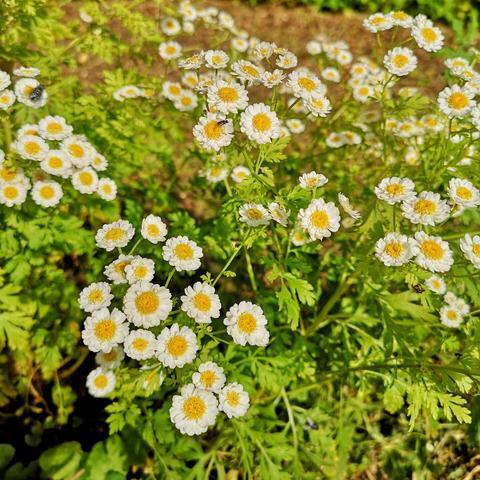
Feverfew appears in the Lacnunga, an Old English medicinal text. A healer would boil feverfew, red nettles and plantain in butter, and speak the invocation from the Lacnunga. Then they would dip a knife into the liquid. This should alleviate the stitch, an example of sympathetic magic. A stitch feels like a stabbing pain. If we soothe a stabbing implement, then we should soothe the stitch.

#FolkloreThursday #PlantLore #FabulousFolklorePodcast #folklore #FolkloreBlog #plants #feverfew

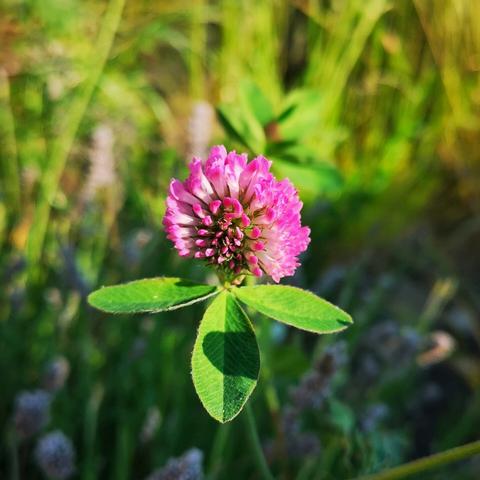
Red Clover!

Also known as beebread, cow grass, honeysuckle clover, and marl grass.

According to folklore, you should wear it over your heart on blue silk to recover from heartbreak in love.

And wear red clover before you sign any financial contracts!

#FabulousFolklorePodcast #PlantLore #flowers #Folklore #FolkloreThursday #FolkloreBlog #RedClover #Clover

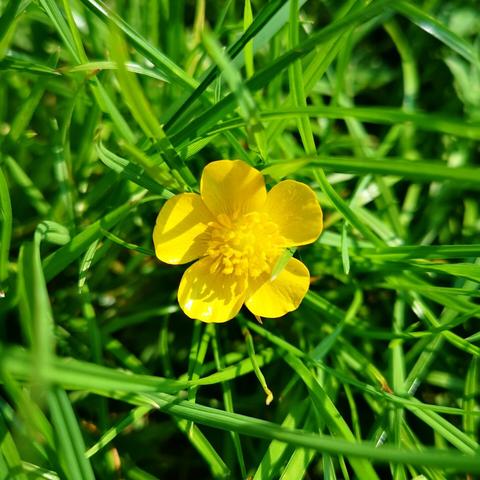
The meadow buttercup! Children hold the flowers under their chin. If it reflects yellow, it means they like butter.

During the medieval era, beggars rubbed the sap from these flowers into their skin. It is so irritating it opened up horrible sores they hoped might win them sympathy.

In Mrs Burke's Language of Flowers dictionary of 1856, the buttercup meant "ingratitude" and "childishness".

#FabulousFolklorePodcast #PlantLore #Folklore #FolkloreThursday #FolkloreBlog #MeadowButtercup