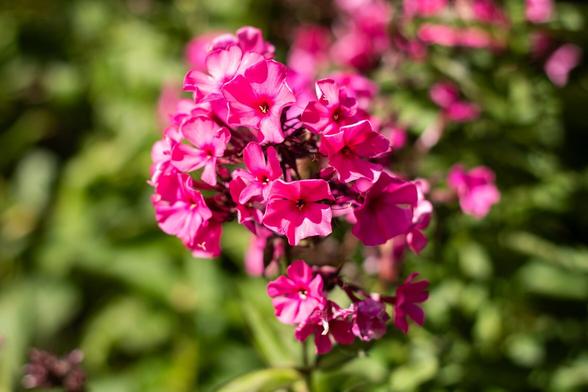
Phlox Paniculata, a flower from the central and eastern United States.

In the Victorian language of flowers, phlox meant 'unanimity'.

#Folklore #Flowers #CrookHallGardens #Phlox #FabulousFolklorePodcast #PlantLore #PhloxPaniculata #FolkloreThursday #FolkloreBlog #Floriography #VictorianLanguageofFlowers
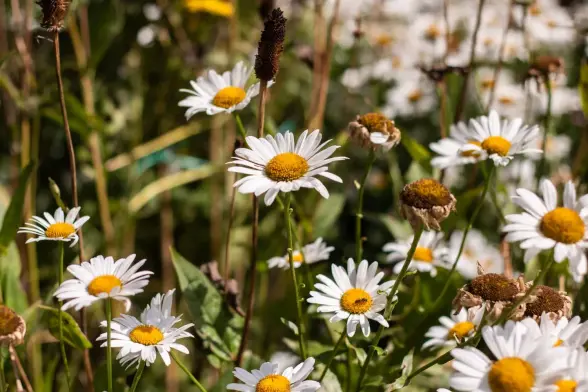
According to legend, knights in the Middle Ages would wear two daisies to show he was the favourite of the ladies.

Dreaming of daises in the spring or summer means good luck is coming, but dream of them in autumn or winter and bad luck is coming.

In the Victorian language of flowers, the daisy meant "innocence" and "I share your sentiments".

#Folklore #Flowers #FabulousFolklorePodcast #PlantLore #Daisies #Flowers #FolkloreThursday #FolkloreBlog #Floriography #VictorianLanguageofFlowers
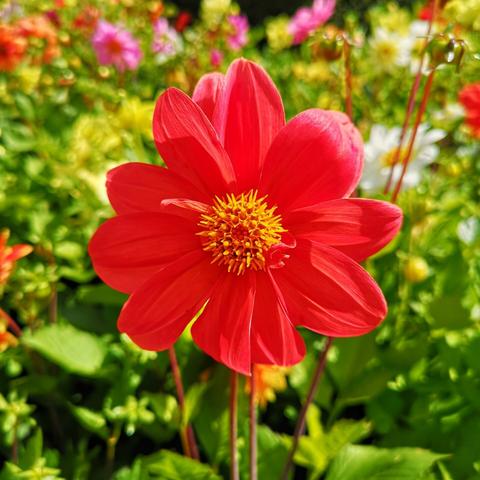
Red dahlia near Newcastle Civic Centre.

In Mrs L. Burke's 1867 Illustrated Language of Flowers dictionary, the dahlia meant 'instability'.

#FolkloreThursday #Folklore #PlantLore #Flowers #FolkloreBlog #FabulousFolklorePodcast #Dahlia #VictorianLanguageOfFlowers #Floriography #Plants

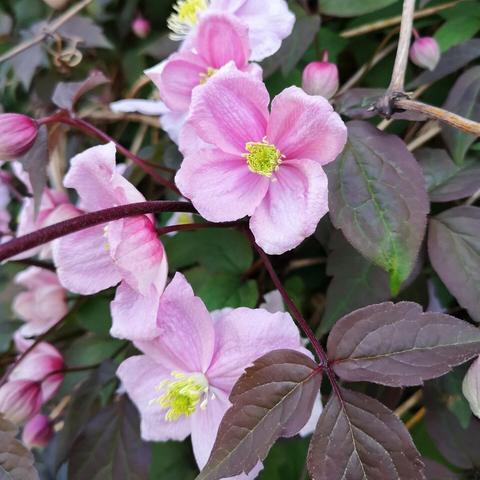
Clematis is also known as Leather Flower, Old Man's Beard, Pepper Vine, Traveller's Joy, and Virgin's Bower.

The ancient Greeks used 'clematis' to refer to a whole range of climbing plants.

It can symbolise artifice, ingenuity, love, and want.

According to Mrs Burke's 1856 Illustrated Language of Flowers, it means 'mental beauty'.

#Clematis #FabulousFolklorePodcast #FolkloreThursday #Folklore #PlantLore #Flowers #FolkloreBlog #TravellersJoy #Plants #VictorianLanguageOfFlowers #Floriography

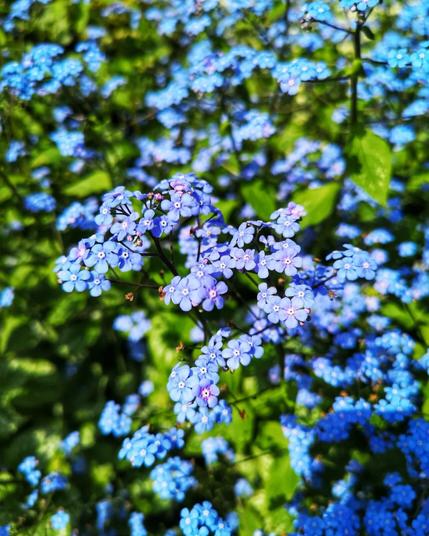
The forget-me-not was once called scorpion grass because the flower heads curl over and people thought they looked like scorpion tails.

In the mid-1850s, there was a trend in Germany for planting forget-me-nots on graves.

In the Victorian language of flowers, the forget-me-not meant 'remembrance'.

#FabulousFolklorePodcast #PlantLore #Flowers #Folklore #FolkloreThursday #FolkloreBlog #ForgetMeNots #Floriography #VictorianLanguageOfFlowers

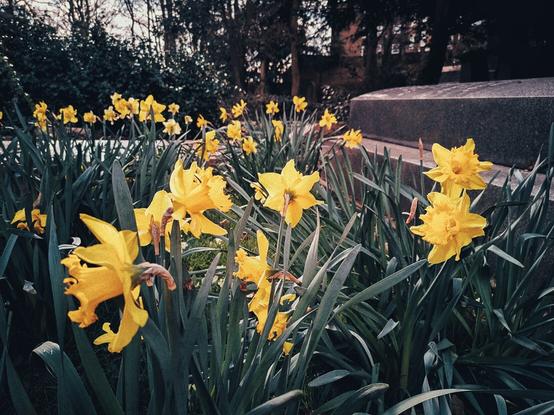
According to folklore, daffodils were originally white, and a favoured flower of Persephone. When Hades caught her, his touch turned the blooms yellow. It’s unsurprising that the daffodil is considered the flower of the underworld and they often appear on graves. In the Victorian language of flowers, daffodils meant 'regard'.
⠀⠀
#FolkloreBlog #FabulousFolklorePodcast #Folklore #PlantLore #Daffodils #FlowerFolklore #LanguageOfFlowers #VictorianLanguageOfFlowers #Floriography #Taphophile

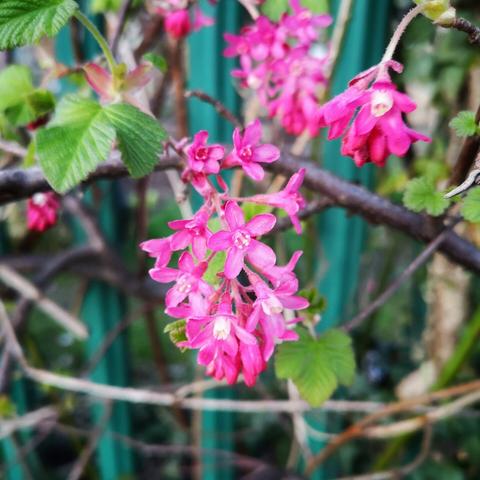
Ribes sanguineum, or flowering currant.

People believed it was bad luck to bring this beautiful plant indoors.

In the Victorian language of flowers, currant meant 'Thy frown will kill me'.

#FolkloreBlog #FabulousFolklorePodcast #FolkloreThursday #Folklore #PlantLore #TreeLore #FloweringCurrant #Superstitions #FlowerFolklore #LanguageOfFlowers #VictorianLanguageOfFlowers #Floriography

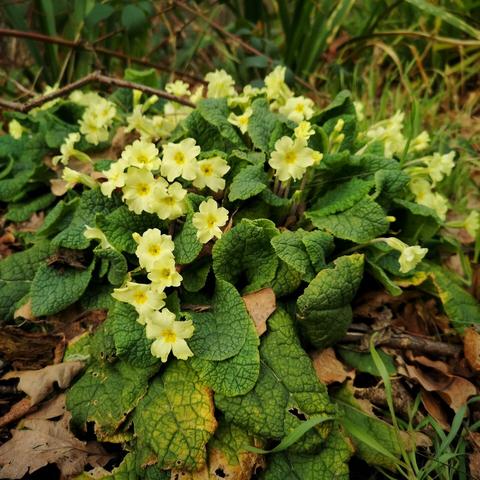
Primroses meant 'early youth' in the Victorian language of flowers, according to Mrs Burke's Language of Flowers dictionary.

#FabulousFolklorePodcast #FlowerLore #FolkloreThursday #Folklore #FlowerFolklore #PlantLore #VictorianLanguageOfFlowers #Floriography #Primroses #Flowers

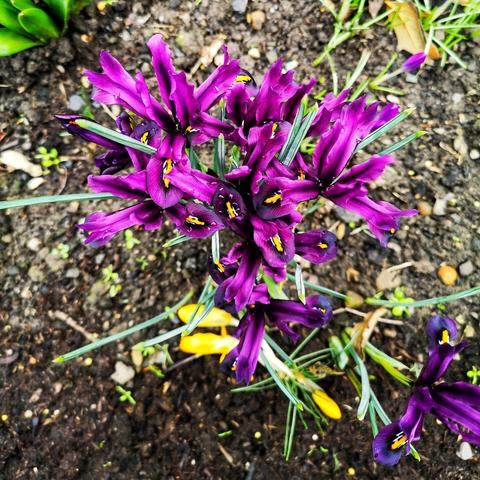
According to folklore, the ancient Greeks planted purple irises graves so the goddess Iris would lead their loved ones to heaven. In the Victorian language of flowers, the iris means you're sending an important message. #FolkloreThursday #PlantLore #PlantFolklore #Folklore #FlowersOfMastodon #PurpleIris #VictorianLanguageOfFlowers #FabulousFolklorePodcast [My Image]

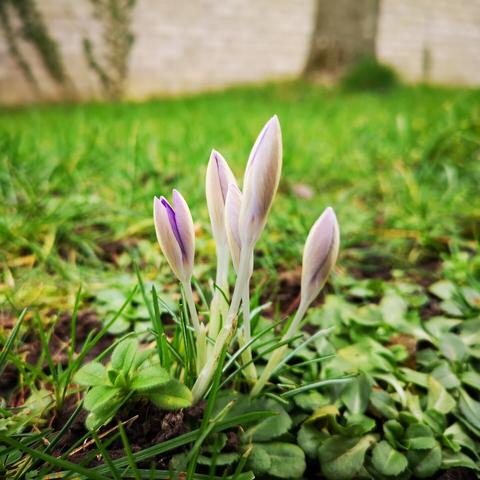
Croci coming up in Newcastle!

In the Victorian language of flowers, the crocus meant gladness and cheerfulness. White croci represented truth, innocence and purity. The purple variety implied success, pride and dignity. The yellow type meant joy.

There's an episode of Fabulous Folklore dedicated to the crocus!

https://pod.co/fabulous-folklore-with-icy/spring-has-sprung-origin-myths-and-crocus-folklore

#Crocus #LanguageOfFlowers #Floriography #VictorianLanguageOfFlowers #FabulousFolklorePodcast #FolkloreBlog #PlantLore #FlowerMeanings #FlowerSymbolism

Spring Has Sprung: Origin Myths And Crocus Folklore - Fabulous Folklore with Icy

The humble crocus pops up every spring. But where does mythology say it came from? Find out more about its origins and folklore in this week's episode! Check out the images and text-based version at http://www.icysedgwick.com/crocus-folklore Tweet Icy at https://twitter.com/IcySedgwick Become a Patron for $1 a month at https://www.patreon.com/bePatron?u=2380595 Buy Icy a coffee at: https://ko-fi.com/icysedgwick