¡El futuro de las FPCBs es brillante! 🌟 La electrónica flexible usa sustratos plásticos como PEEK o PET para crear circuitos delgados, ligeros y adaptables. Aplicaciones: salud, automotriz, energía e industria. Tendencias: híbrida, estructural, en moldes y tintas conductoras. #FlexiblePCB #Tech

Lilbits: Pixel 9a leak, Indiegogo’s new shipping guarantee (for some campaigns), and a flexible Arduino

Crowdfunding sites like Kickstarter, Indiegogo, and Crowd Supply started off as platforms for creators to raise money to turn an idea into a real product that’s ready to ship. And that means there’s always some risk involved: even if a project is fully funded, it’s often important to keep in mind that things can go wrong with the manufacturing […]

https://liliputing.com/?p=171234

#acemagicX1 #arduinoUno #cloudGaming #crowdfunding #dualScreen #dualScreenLaptop #fireTv #flexduino #flexiblePcb #indiegogo #leaks #lilbits #pixel9a #xboxGamePassUltimate
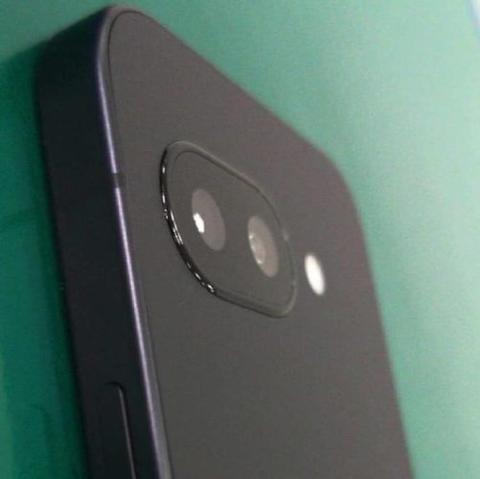
Lilbits: Pixel 9a leak, Indiegogo's new shipping guarantee (for some campaigns), and a flexible Arduino - Liliputing

Lilbits: Pixel 9a leak, Indiegogo's new shipping guarantee (for some campaigns), and a flexible Arduino

Liliputing
We’d Sure Like To Strum The Chrumm Keyboard

If you want something as personal as a keyboard done right, you have to do it yourself. Not quite satisfied with the multitude of mechanical offerings out there, [summific] decided to throw their h…

Hackaday

Sticker Brings the Heat

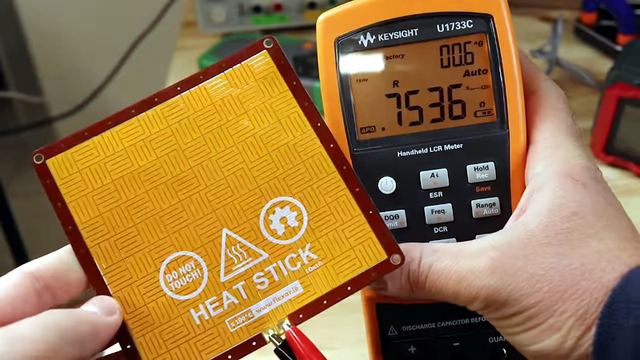
[Carl] is always looking at making heater plates for PCB reflow and other applications. In his latest video, he shows how he is using thin flexible PCBs with adhesive backs as stickers that get hot. You can find gerber files and design files on GitHub.

You might think that this is a pretty simple thing to do with a flex PCB, but it turns out while the PCB might be flexible, the traces aren't and so the typical long traces you see in a heater won't allow the sticker to bend, which is a problem if you want to wrap it around, say, a coffee mug.

The answer was to create a pattern where the traces change direction frequently, and that's what [Carl] did. He also talks about using stiffeners around the edges of the board.

The video shows quite a few tests that indicate the substrate discolor after a long time with high heat. The adhesive also tends to melt in those conditions. So the recommendation is to use them where you need lower temperatures for a long time or higher temperatures for a short duration. Of course, depending on your application, the color change may not matter as long as it doesn't affect the long-term reliability.

What would you do with a flexible heated sticker? The self-warming mug is a no-brainer. A sticker to put on exposed pipes for a cold day comes to mind. A thin 3D printer bed heater or an irregular-shaped reptile habitat might be useful, too.

As long as you are putting patterns in any way, we wondered about making thermal digits on a sticker like this. It seems like every time we check in on [Carl] he's heating up something.

#mischacks #flexpcb #flexiblepcb #pcbheater

Sticker Brings The Heat

[Carl] is always looking at making heater plates for PCB reflow and other applications. In his latest video, he shows how he is using thin flexible PCBs with adhesive backs as stickers that get hot…

Hackaday
Genius or Cursed, This USB-C Connector Is Flexible (https://hackada...

Genius or Cursed, This USB-C Connector Is Flexible (https://hackaday.com/2022/01/01/genius-or-cursed-this-usb-c-connector-is-flexible/) image https://hackaday.com/wp-content/uploads/2021/12/flex-usb-c-featured.jpg #peripheralshacks #flexiblepcb #peripherals #usbc #hackaday posted by pod_feeder_v2 (https://gitlab.com/brianodonnell/pod_feeder_v2/)

diaspora* social network

Genius or Cursed, This USB-C Connector Is Flexible

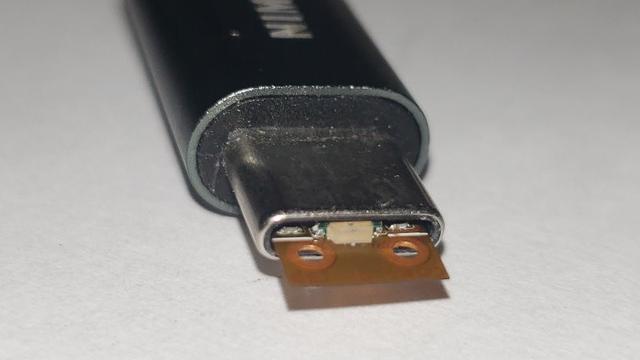
USB connectors have lent themselves to creative interpretations of their mechanical specifications ever since the first experimenter made a PCB fit into a USB-A socket. The USB-C standard with its smaller connector has so far mostly escaped this trend, though this might be about to change thanks to the work of [Sam Ettinger]. His own description of his USB-C connector using a flexible PCB and a BGA-packaged ATTiny84A microcontroller is "cursed", but we can't decide whether or not it should also be called "genius".

Key to this inspired piece of connector fabrication is the realization that the thickness of BGA and flex PCB together comes to the required 0.7 mm. The BGA provides the necessary stiffness, and though it's a one-sided connector it fits the space perfectly. There are several demo boards as proofs-of-concept, and the whole lot can be found in a GitHub repository.

We can see this technique finding a use in all kinds of diminutive USB-C projects, however cursed or genius it may be. We like to see projects that push the edges of what can be done with the medium, with a nod to a previous cursed USB-C device.

#peripheralshacks #flexiblepcb #peripherals #usbc

Genius Or Cursed, This USB-C Connector Is Flexible

USB connectors have lent themselves to creative interpretations of their mechanical specifications ever since the first experimenter made a PCB fit into a USB-A socket. The USB-C standard with its …

Hackaday