 Baaghi TV
Iran–United States War and Climate Change: A Growing Environmental Threat for Pakistan and Its Protective Strategy
#BaaghiTV #Opinions #ClimateChange #IranUSConflict #PakistanClimateCrisis #EnvironmentalSecurity #ClimateResiliencePakistan

Iran–United States War and Climate Change: A Growing Environmental Threat for Pakistan and Its Protective Strategy
#BaaghiTV #Opinions #ClimateChange #IranUSConflict #PakistanClimateCrisis #EnvironmentalSecurity #ClimateResiliencePakistan
Climate Change Unlocks Arctic as Emerging Global Security Hotspot
As climate change melts the polar ice, the Arctic is transforming from a frozen wilderness, once home to polar bears and exotic marine life, into a rapidly emerging global security hotspot. This dramatic shift is unlocking new challenges and opportunities in one of the world's most remote and previously inaccessible regions.
https://osintsights.com/climate-change-unlocks-arctic-as-emerging-global-security-hotspot
#Arctic #ClimateChange #EmergingThreats #GlobalSecurity #EnvironmentalSecurity
'Environmental and Socio-Political Security Risks Correlation in Mountainous Areas' - an article in the @EDPSciences UN #SDGs #Research collection on #ScienceOpen:
🔗 https://www.scienceopen.com/document?vid=f15334fc-89fa-4ad5-8586-4d93012abfd6
#SustainableDevelopment #EnvironmentalSecurity #ClimateChange #MountainRegions
<p xmlns:xsi="http://www.w3.org/2001/XMLSchema-instance" class="first" dir="auto" id="d2215779e68">The article is devoted to the study of the relationship between risks for the systems of environmental and socio-political security of mountainous territories (countries, regions) based on a special methodology developed in [5], as the main barriers to achieving sustainable development of mountainous territories and regional socio-political stability. In [5], the author introduced a new concept - “Climate Conflict Vulnerability Index” (CCVİ) as a unique metric for assessing the relationship between climate change and socio-political risks. Calculated using a special formula, CCVİ determines the degree of predisposition or inclination of any country, including mountainous ones, to the negative impact of climate conflicts as direct and indirect consequences of global climate change. This paper focuses on mountainous countries and regions in terms of conducting a correlation analysis of environmental and socio-political security risks, taking into account their specificity in terms of direct and indirect impact of climate change on mountainous areas, their cultural, socio-economic life, religious and mental characteristics, social traits, etc. In addition, the article analyzes some potential risks of climate conflicts in the Caucasus region, as well as the role of international cooperation institutions in the timely prevention of such political risks. </p>
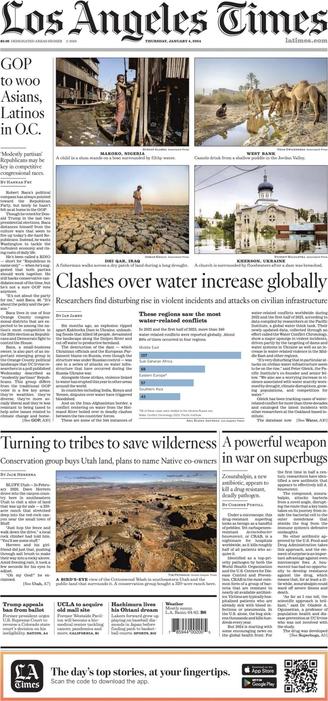
Front page of the LA Times today, above the fold. Major story on our work on water-related conflicts.
#water
#conflict
#environmentalsecurity
https://www.latimes.com/environment/story/2023-12-28/water-related-conflicts-on-the-rise-worldwide
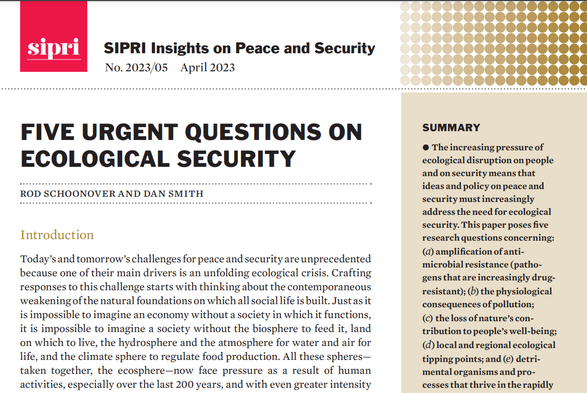
This SIPRI Policy Report compares responses to climate-related security risks by the European Union (EU), the North Atlantic Treaty Organization (NATO) and the Organization for Security and Co-operation in Europe (OSCE). All three organizations have formulated ambitious policies in this area in recent years. However, while they have come a long way in raising the interlinkages between climate, peace and security on their agendas, more is required to achieve their various ambitions.
RT @sedremed: #SEDREMED is the first 🇪🇺 @LIFEprogramme project developing sustainable alternatives for #decontamination of polluted marine sediments 🌊.
The objectives are to ⬆️ increase #environmentalsecurity and ⬇️ drastically reduce intervention costs!
@cinea_EU
https://life-sedremed.eu/221003_press_release_bagnoli_sedremed/

INNOVATION FOR THE MARINE ENVIRONMENT Innovative biological solutions for the remediation of polluted marine sediments. LIFE SEDREMED project experimentation started in Bagnoli (Naples, IT) with cutting-edge technologies to intervene on the seabed of the former industrial area. THE PROJECT The project, co-financed by the European Commission with over €1.4 million under the LIFE Programme and […]
RT @sedremed: #SEDREMED is the first 🇪🇺 @LIFEprogramme project developing sustainable alternatives for #decontamination of polluted marine sediments 🌊.
The objectives are to ⬆️ increase #environmentalsecurity and ⬇️ drastically reduce intervention costs!
@cinea_EU
https://life-sedremed.eu/221003_press_release_bagnoli_sedremed/
🐦🔗: https://nitter.eu/LIFEprogramme/status/1577580886534463489
INNOVATION FOR THE MARINE ENVIRONMENT Innovative biological solutions for the remediation of polluted marine sediments. LIFE SEDREMED project experimentation started in Bagnoli (Naples, IT) with cutting-edge technologies to intervene on the seabed of the former industrial area. THE PROJECT The project, co-financed by the European Commission with over €1.4 million under the LIFE Programme and […]
 Analyst207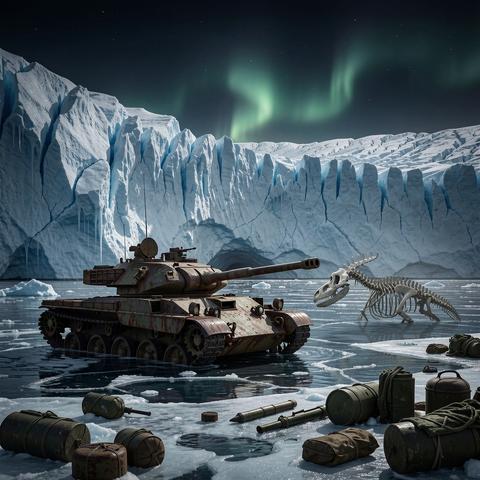
 ScienceOpen
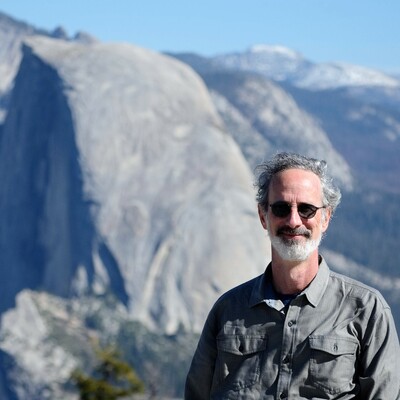 Peter Gleick
 Geoff Dabelko
 Chad Briggs
 CINEA🇪🇺
 LIFE Programme