 Meditation With Praveen
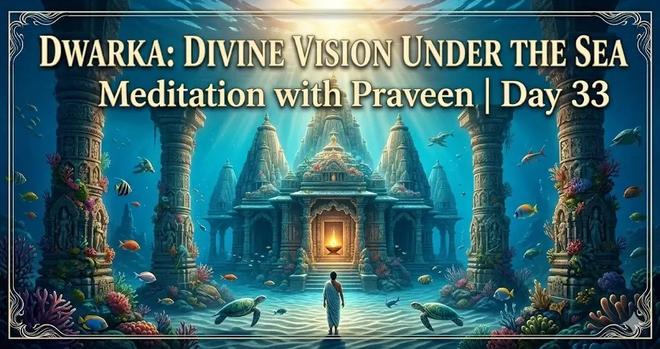
"Can science explain a flame burning deep under the ocean? 🌊🕯️
On Day 33 of my meditation journey, I discovered the sunken gates of Dwarka. Beyond the ruins and the waves, I found a lesson that shattered my ego and a vision that filled my soul with light. 🔱✨
Dive into the mystical depths with me in today’s blog post. Read the full story here! 👇
#Dwarka #MeditationJourney #LordKrishna #DivineMiracles #SpiritualAwakening #InnerPeace #Day33"
 David Burger
 Cynthia
 David Roessli
 Kettwachsler
 Iamreddave
 Téotime Pacreau
 IFR (she/her)
 hybrid havoc
 Rob Greenway