 The Bad Place
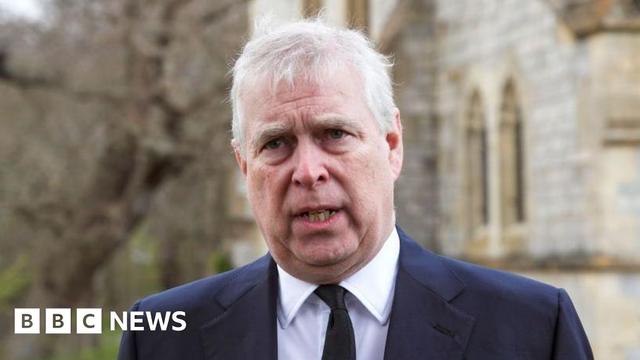
BBC News | Palace handed Andrew's controversial envoy emails six years ago
AI generated summary, Read the full article for complete information.
Buckingham Palace received an archive of about 30,000 emails in 2020 that documented Prince Andrew’s sharing of confidential government briefings while he was a trade envoy, including messages about Icelandic‑bank matters passed to businessman Jonathan Rowland. The archive, taken from Rowland’s account during a separate legal dispute and handed to the Lord Chamberlain, was noted in High Court rulings from 2021‑2022, predating the current police investigation into Andrew for alleged misconduct in public office. The emails reveal his financial links with the Rowlands and Banque Havilland, a bank later sanctioned, and show his promotion of their ventures in the wake of the Epstein scandal. Though the Palace says it cannot comment due to the ongoing inquiry, Thames Valley Police have again appealed for information, and critics are calling for a parliamentary probe into the lack of transparency around Andrew’s envoy activities.
Read more: https://www.bbc.com/news/articles/cy02j5pl98no?at_medium=RSS&at_campaign=rss
#PrinceAndrew #BuckinghamPalace #JonathanRowland #DavidRowland #JeffreyEpstein #AndrewMountbatten_Windsor #LordPeel #SarahFerguson #KevinStanford #AndrewLownie
 The 🫠 ᴘʀᴇᴛᴛʏ BBC Radio 3 🎶 #NowPlaying Bot
 James Kemp