(long read + video ;))
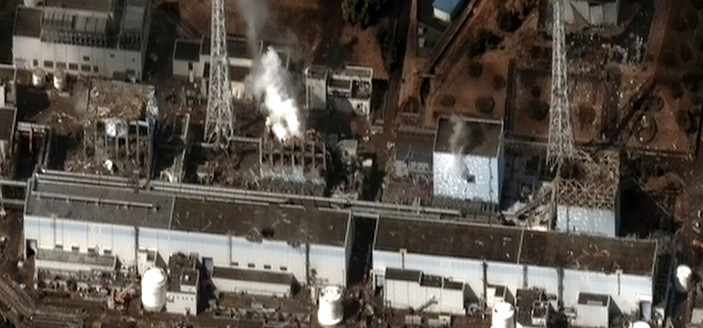
Kyle Hill - Should Fukushima Release Radioactive Water?
youtu.be/UwFoOVyB40s
redirect.invidious.io/UwFoOVyB…
Disclaimer: I might not have as much knowledge about radiation as kyle hill, but still i'm pretty good and deep into this topic for neurodivergent reasons and out of curiosity/interest. ;)
So ..... _that_ they're going to release this water, was a non-issue for me from the get go. Other nations and power plants release _far_ more radioactive residue per year, as fukushima daiichi is going to release. (On top of that, he says that in the video, we have about 8 kilogram of diluted thorium in the oceans. The amount of thorium in the water which will be released over _decades_ is _just_ 3 grams.)
Kyle Hill nicely show up the facts, provided from tepco, but they are in accordance with international scientific standards.
On top of that, he actually takes a tour to the power plant, looks at the cleaned water itself.. And feels confused.
I have to second that. They tried to make american class advertising premium quality bullshit PR.
Going along with kyle, i agree. Still. While ethically not so ideal and perfect. They need to get their word out.
And, there is no viable alternative as to treat the water as best as chemically possible.... and release the remaining bit of thorium we can't get out into the oceans.
For ah so many reasons sadly.
But _ONE_ which is actually the reason, which turned me away from the "nuclear bridge technology" idea and concept.
That we could and should use nuclear power, as a bridge, for powering us while we try to build alternative and regenerative power sources like wind and solar energy.
And _my_ personal reason, why the fukushima daiichi accident actually really and completely changed my mind, is similar to the reason, why they now need to start to release that water.
It's basically business administration and economics.
We can't economically build really safe nuclear power plants, where we include _all_ costs, from the mining for resources, building a plant, purifying fuels, maintaining fuel and plant, recycling fuel as far as possible, and safely dismantle a plant after it's lifetime _and_ store all the irradiated and naturally radioactive stuff until it becomes harmless lead in millions of years.
It's just not possible.
In a perfect utopia, where our main focus would not be the creation of profit, but research and safe handling of technology.. It would maybe be possible.
But in this capitalistic world? No way ever ... sadly, but realistically.
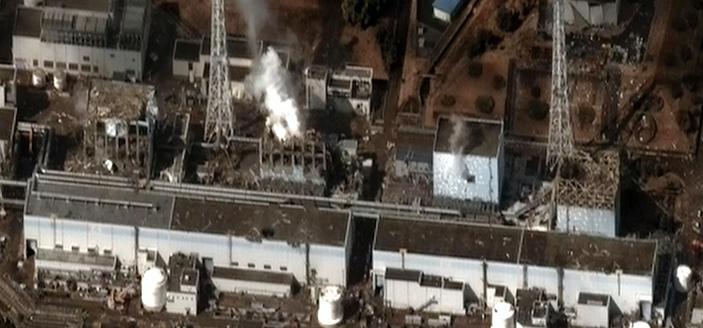
Like, it was the frickin main reason in chernobyl as well as in fukushima:
Both plants essentially failed not just by neglect or bad management. But because at some point, someone took the cheap route..
Costing thousands of ppl their lives and millions of ppl their homes.
That's why i principally think, nuclear energy is a bad idea. We can't handle it safely .. and as long as capitalism rules the world, we never will be.
Getting that out.... Kyle Hills video is really good and gives a few things to think about .... not just for today, but for the future too. ;)
And still ... they need to get rid of all that treated water... Again, for freaking economical reasons... _meh_
#Fukushima #Daiichi #Kyle #Hill #Nuclear #Accident #Radiation #Thorium #Ocean #Water #Bridge #Technology #Chernobyl #Radioactive #Radioactivity #RandomShit ;)
 Γιανίρης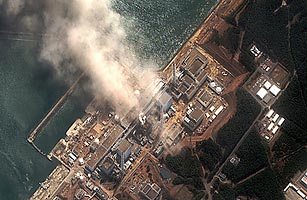
 NuclearDisorder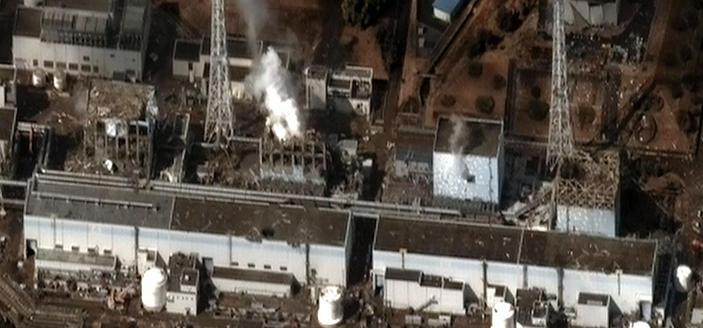
 Ike Maduka

 Sumikai
 Elm Analytics
 hackbyte Antifa (friendica) 13HB1
 Peter Riley

 Matt Willemsen