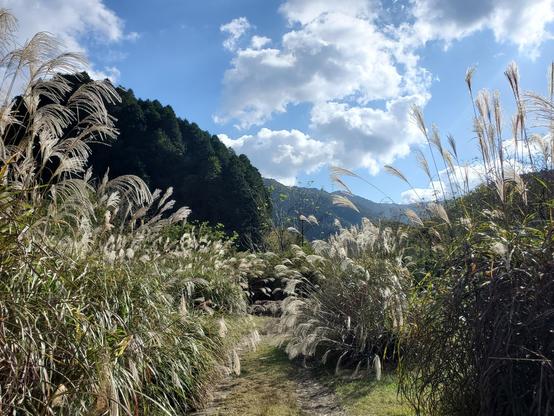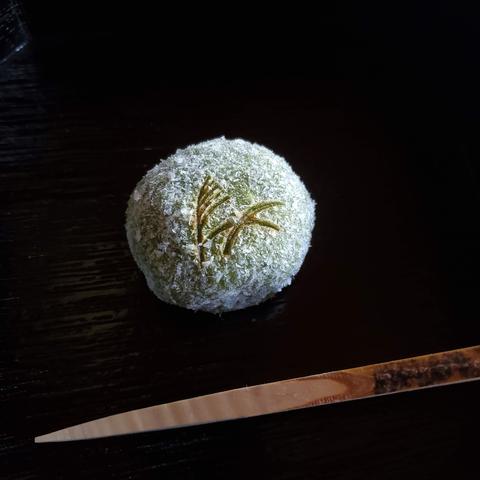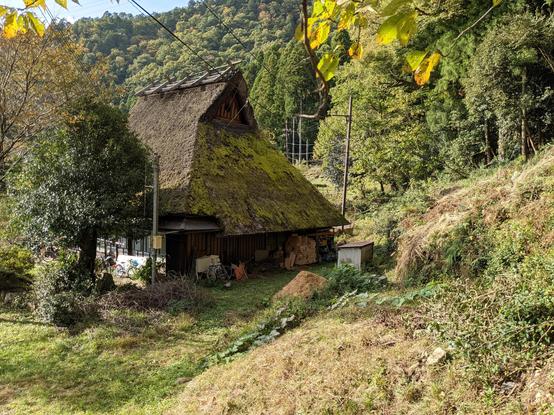
After this time miscanthus reeds (茅 kaya grass) were used to repel sickness and evil, evolving into various regional charms, such as the giant 'chinowa' rings (茅の輪) and smaller brush-shaped 'chimaki' (茅巻き), hung at doorways in Kyōto from July each year.

#夏越の祓 #茅の輪 #miscanthus #kayagrass #chinowa

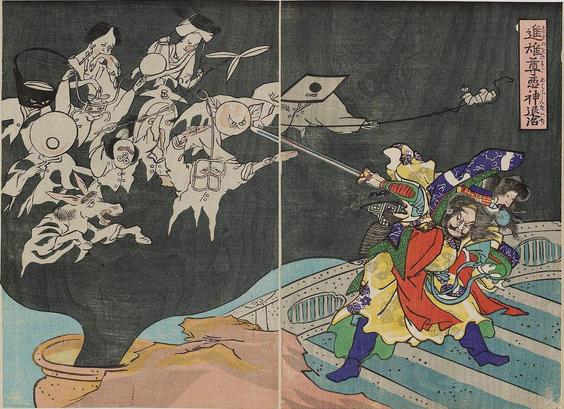
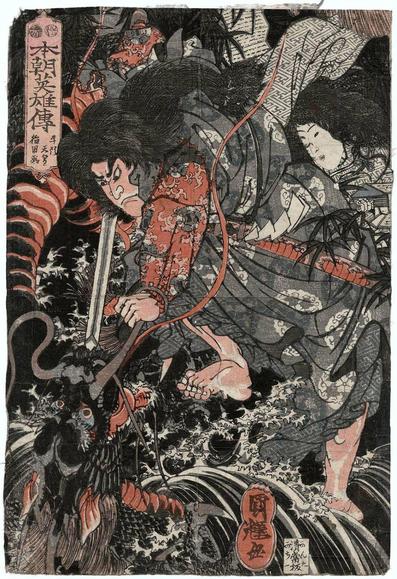
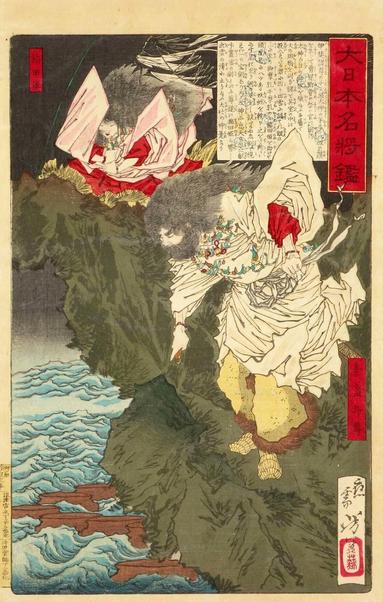
An ancient Bingo Province record (備後国風土記) tells how the chinowa (茅の輪) came to be.

On his travels the god Susanoo (須佐之男), his identity concealed as a poor wanderer, asked a wealthy farmer called Kotan Shōrai (巨旦将来) for a bed for the night but was refused.

#Japan #茅の輪 #chinowa #茅の輪くぐり

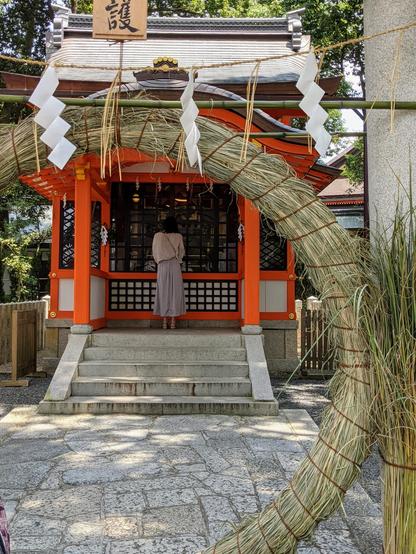
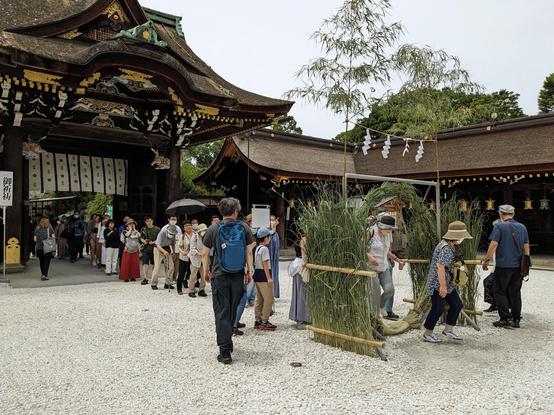
Nonomiya Shrine/野宮神社/2025.06.21
茅の輪を作りかけてはりました。
#Kyoto #京都 #arashiyama #嵐山
#NonomiyaShrine #野宮神社
#NearbyShrine #近所の神社
#PurificationOfNatsugoshi
#夏越の祓 #夏越の大祓
#Chinowa #茅の輪くぐり
#茅の輪 を作りかけてはりました

The summer purification ritual 'chinowa-kuguri' (茅の輪くぐり) and the 'chimaki' amulets evolved from the same legend...both concerned with protecting oneself against disease and misfortune.

The giant rings and smaller amulets are created from miscanthus grass.

#Kyoto #京都 #Japan #夏越の祓 #summerpurification #nagoshinoharae #chinowa #茅の輪

After this time miscanthus reeds (茅 aka kaya grass) were used to repel sickness and evil, evolving into various regional charms, such as the giant 'chinowa' rings (茅の輪) and smaller brush-shaped 'chimaki' (茅巻き), hung at doorways in Kyōto from July each year.

#夏越の祓 #茅の輪 #茅巻き #chinowa #chimaki #Japan