 Curt Johnson - Indie Genius
Movie TV Tech Geeks #TVNews #KitHarington #CharlesDickens #MGM Kit Harington Leads MGM+'s 4-Part 'A Tale of Two Cities' Miniseries in New First Look [Exclusive] http://dlvr.it/TRgbz3

Non è tranquilla, signore, l’acqua dove dormono certi pensieri. E’ profonda, e il fondo non si scorge.
Charles Dickens
frammento da David Copperfield, Rizzoli 1957
#CharlesDickens #libri #cctmwebsite #anoipiaceleggere #leggere
7. Book 1. The Bible (100-200 CE) Month 4 – April
So continue the reading challenge and now I’ve passed some of the traditional bible stories I know and I’ve been reading every day for three months it is starting to become a bit tedious. However not long into the fourth month I found myself shocked – I literally stopped in my tracks – to hear the words
“whoever has will be given more, and he will have an abundance. Whoever does not have an abundance what he has will be taken from him”
I had been following (or trying to as best I could) to follow the principles of “the secret” as written about by Rhona Byrne. During a time of despair and difficulty for my family I had picked this book up to try and change my outlook on life. This book talk about practicing gratitude and positive vibrations in the universe. The book promotes the ideas that feeling and showing gratitude can have a positive domino effect on the rest of you life, and that you end up receiving what you desire. Since reading this book I have been practicing gratitude (albeit in peaks and troughs) for about 5 years. I hadn’t fully grasped – or subconsciously chosen to ignore – the fact that this was taken from the scripture in the Bible.
So the secret is just part of the bible then, while I was sure that it had come from the teaching of a learned man, perhaps a religious man, I hadn’t actually realised it was part of the Bible. After reading this line in the bible my initial thoughts were confused. I thought that either Rhonda was naïve and didn’t realise this was from the Bible (could that actually be possible?). Or was she just using this as a vehicle to convert people to Christianity and teach “the word of god”? Was the author just literal and had done no real research before writing the book or is this book just another way to spread religious doctrine?
Initially I was annoyed that I had been following the secret for 5 years and I had actually been following teachings of the Bible all this time. As you may have gathered from my previous blogs I have been continually shocked, enraged and saddened by the mixed messaging – including the repentance required of the people, the immovability of “gods law” and a lack of forgiveness by “god”. There are many teachings encouraging intolerance, harsh punishment, violence, genocide, slavery, oppression of women, oppression of different groups of people as well as the need to follow a range of, what seems to me ridiculous, instructions as “laws”.
I think part of the reason I was so annoyed was also due to the fact that “the secret” is presented as a newly discovered ideology and one which is free of religion and agenda. One that is more in line with my own feelings that there is energy in the universe that flows through us and that we can influence this energy through gratitude and positive thinking. The fact that it is in the Bible made me doubt all of the belief I had in gratitude and positive thinking. Had I been wasting my time in doing this and I had been foolish in promoting this to others?
However after talking to my husband and others and reflecting I began thinking about all the positives that have come from Christianity. Yes there have been many problems over the ages, however lots of good has been done. Even in the kind words and actions of people who genuinely use the bible teachings for good and help people. All the charitable foundations and good works of the church and those who acted for good. In the end I came to the conclusion that what I had learnt and been practicing in positivity and gratitude was right and it is actually in some form or another part of all religions. Practicing gratitude and positivity does influence your life in a positive way. While this might not be in groundbreaking life changes or that it may not shield you from the challenges of life it has many benefits for health and wellbeing – particularly to help deal with negatively impactful situations and circumstances as well as guide you to more positive choices.
In fact it has reminded me that I haven’t been as grateful or a positive as I could have been of late. With a lot of work on and quite a few life and family challenges I have bene on more of a negative spiral the last few months. Husband on long term sick following a work accident, me needing to pick up more home tasks, son taken to hospital and diagnosed with diabetes, work overwhelming after taking on extra work, money worries and time taken off for stress. The negative situations all exacerbated by negative disposition and negative outlook and resolved through frustration depression, alcohol and overspending. I need to focus and think more positively about life again. So I’ll gloss over the trite and saccharin messages in Rhonda Byrnes “The Secret” but embrace and believe in positivity, positive energy and gratitude. Turning her sugary interpretations into everyday actions and words which will at the very least give me a sense of peace and wellbeing.
So What have a read this month… from the Old Testament most of my reading this month has been Deuteronomy which apparently is also the last book of the Torah.
“Deuteronomy (“repetition of the Law”) serves as a reminder to God’s people about His covenant. The book is a “pause” before Joshua’s conquest begins and a reminder of what God required”
Ultimately this book is about Moses encouraging the children of the people who were lord in the wilderness – after having been cast out through sin – to come back to god. The book reinforces the 10 commandments as well as a range of laws and also some new laws such as
While many of these laws in the book seem oppressive and archaic from a modern perspective, in truth we don’t know if they were actually real laws. I find myself considering whether this actually happened or was written to bring a society into line. The fact is, that it is difficult to judge these laws properly from a modern perspective without context from the time. I was appalled to read a number of these but I came to realise that if I can’t have a clear observation of the situation, I can’t judge these laws as I don’t know and understand the society of 2000 years ago or more. However I can see how these laws being taught over the centuries have shaped societies and been the basis for more modern laws we know as well as cultural beliefs and values which has led to an over zealous enforcement of “laws” which reality more modern societies have evolved beyond.
I also read Joshua, which is about how god give land to the people as was promised for their obedience to god, but effectively is the Israelites being given permission to take and destroy all the cities and people in the way with no mercy. Total destruction of the civilisations that exited in these places. This is where the Israelites cross the River Jordan and there is the battle at Jerico lead by Joshua after Moses death. Land is taken and then divided amongst the twelve tribes. The theological interpretation is suggested to be that this is a lesson to follow the word of god and be faithful and obedient. The literal interpretation is that it is ok for you to destroy to take what you think is yours under the banner of religion. I am not a scholar – I’d like to think that I’m reasonably well educated, reflective and well read, but my initial reaction to reading this was that the bible, and therefore God, condones the use of violence in the name religion. To me this helps explains subsequent historical as well as more recent atrocities linked to religion and religious beliefs. To me religion is being used as an excuse for people to exercise their true desire to dominate and destroy.
From the New Testament I have read Luke which is essentially a detailed, orderly account of Jesus Christ’s life, ministry, death, and resurrection, as written by Luke to show Jesus as the Savior for all people. It is written to emphasises Jesus’ compassion for the marginalised, the poor, and highlighting the role of the Holy Spirit, prayer, and “upside-down” Kingdom values. A repetition from previous stories but aims to show how Jesus is fulfilling of the story of God.
I have progressed through more of Psalms and Proverbs which just seem to wash over me. I haven’t covered these very much so far so thought I’d add some detail. After some research I can see that I have been reading an introduction to the psalms 1-2 earlier in the year and it suggests that in the introduction this Is being offered as a new torah?!? I am already confused between Christianity and Judaism. Essentially this section I am on Psalm 3-41 is the foundation of covenant faithfulness a series of psalms about faithfulness to god – which to be honest I struggle to understand given the content of the old and new testament I am reading. I have also reading Proverbs
My final note from this month is the Bible says if a women is married to a man and he is unhappy with her he can say she is not a virgin and if there is no proof she is not a virgin she will be stoned to death (Deuteronomy 22:13-21) which I think summarises the attitude of many towards women throughout history……..
#bible #bookReview #books #charlesDickens #christianity #faith #god #jesus #readingA 200-Year-Old London Restaurant Gets a Glow-Up
Jeremy King Revitalizes a 200-Year-Old RestaurantCourtesy Simpson’s in the Strand Above: Jeremy King worked with his longtime designer, Shayne Brady of…
#dining #cooking #diet #food #Frenchrestaurants #CharlesDickens #francais #france #French #FrenchRestaurants #JeremyKing #Londonrestaurants #oscarwilde #Restaurants #Simpson'sintheStrand #winstonchurchill
https://www.diningandcooking.com/2562766/a-200-year-old-london-restaurant-gets-a-glow-up/

Romanen vars handling är förlagd till den fiktiva industristaden Coketown och kretsar kring den utilitaristiske filosofen/politikern Gradgrid och hans familj, kapitalisten Bounderby och några karaktärer ur de bredare folklagren (främst fabriksarbetaren Blackpool och den föräldralösa cirkusartisten Sissy) – innehåller en långtgående kritik av den tidiga industrikapitalismen.
https://blog.zaramis.se/2026/03/18/hard-times-av-charles-dickens/It's been significant reading this week. Started the book a long time ago and had no real traction until this week when my youngest asked to go read together in the parents bed before lights out.
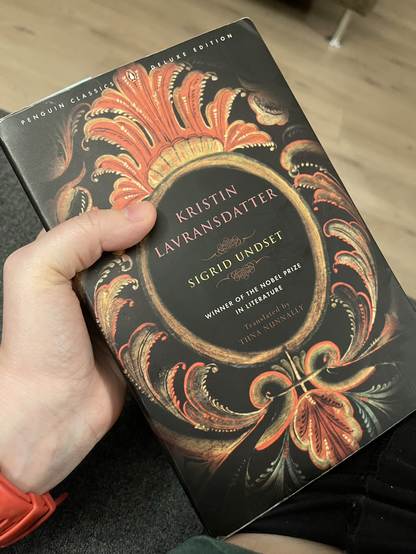
Reading #kristinlavransdatter over day and at night listening #CharlesDickens..
But just literature, no podcasts at all.
Lots of sleeping as well. The snow is almost melted.
Some deep cleaning today. I focused on the vacuum cleaners. Then papers/drawings of my youngest.

Jack nails it again: Freedom at last for the Robodebt Six, thanks to the NACC (paywalled). #AusPol https://www.canberratimes.com.au/story/9197389/jack-waterford-freedom-at-last-for-the-robodebt-six/
In an article on whether a "key to all mythologies" could be created, Manvir Singh mentions the figure of the "triumphant orphan" and lists examples from Cinderella and Jane Eyre to Harry Potter and Igbo stories from Nigeria. Before I began reading the list, I thought of "Oliver Twist" (1839)
 cctmwebsite
 Homepage
 Dining and Cooking
 Magnus Nilsson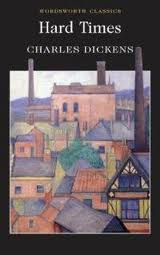
 Robert Fairhead
 Oana
Oana Droppie
 Andrew Shields