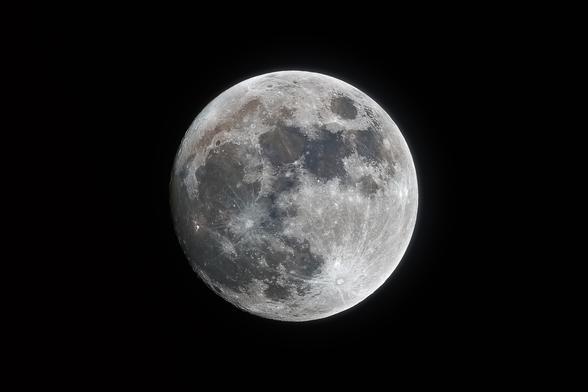
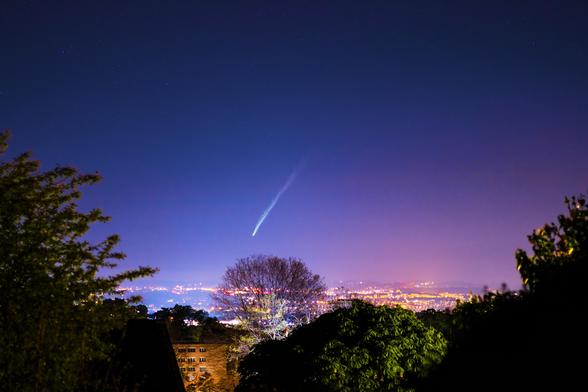
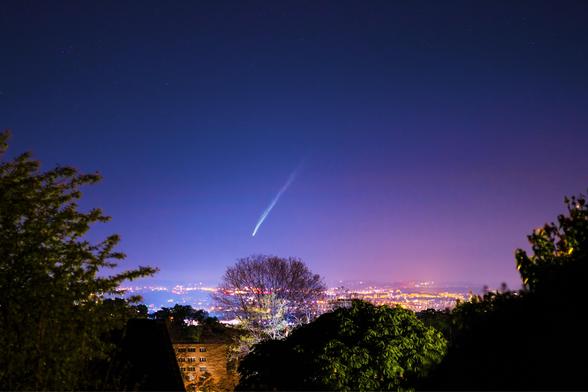
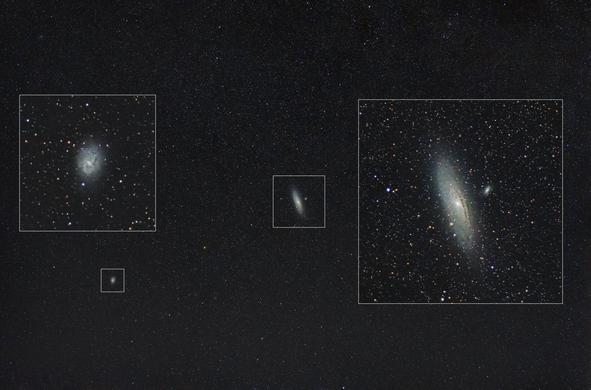
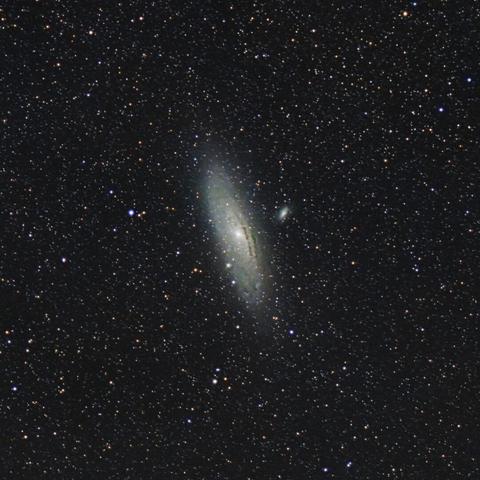
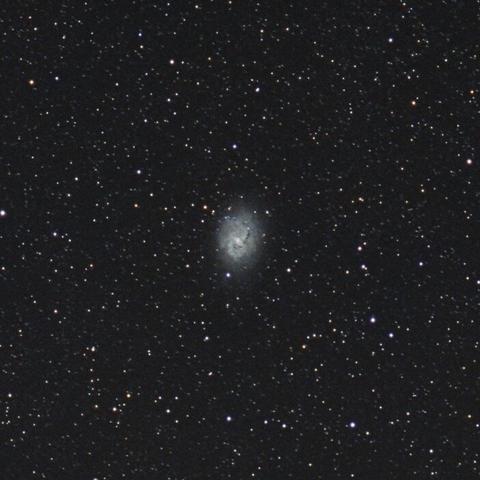
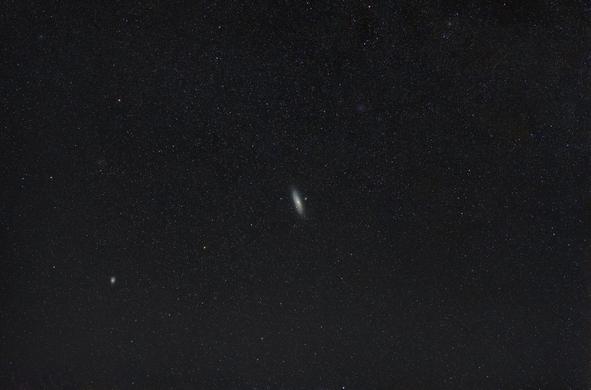
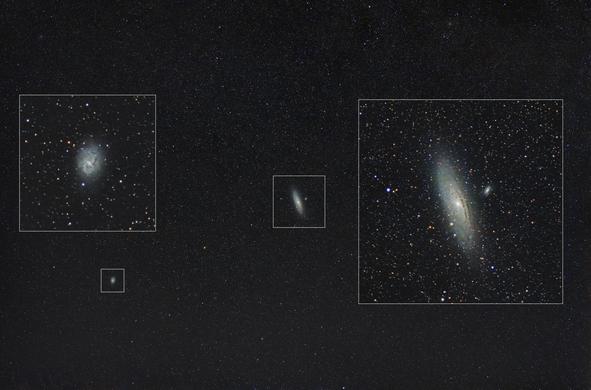
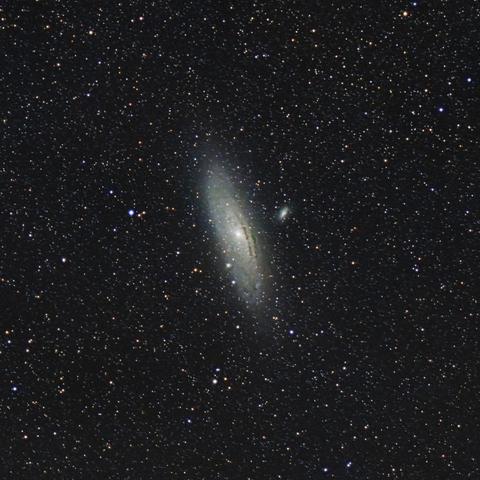
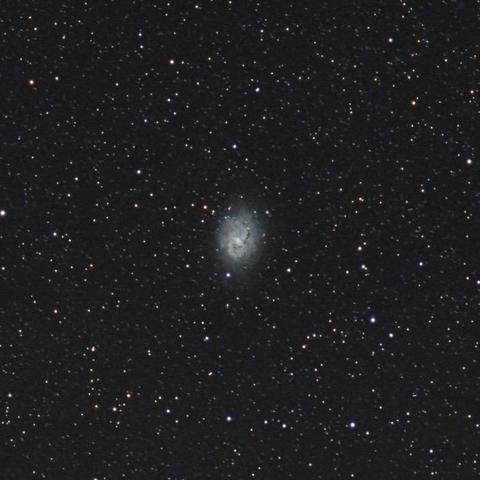
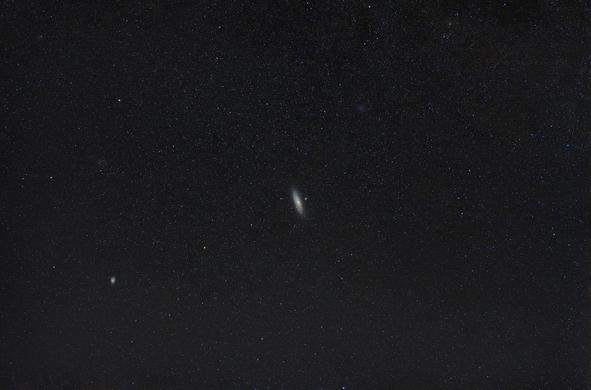
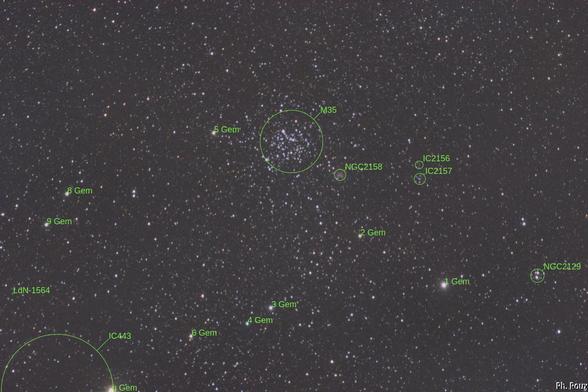
pour me refaire la main après quelques mois peu actifs, petite image hier soir au #CANONEOSR7 muni d'un simple téléobjectif Maksutov de focal 300mm.
5 petites poses de 1 minute à 3200ISO , quelques darks et en quelques minutes de traitement avec le logiciel @Siril_Official on obtient voilà une petite image de l'amas ouvert M35 et de l'amas globulaire NGC2158 et sa résolution astrométrique (calcul des positions des objets).

#astronomie #astrophotographie

🇺🇸 The Eurasian teal (Anas crecca) is one of the smallest dabbling ducks in Europe, yet one of the most elegant. Measuring just 34–38 centimeters in length with a wingspan of 53–59 centimeters, it weighs around 250–400 grams. Males in breeding plumage are unmistakable, with a rich chestnut head marked by a bold green eye patch and a finely patterned gray body. Females are more subtly brown and mottled, offering excellent camouflage. Teals prefer shallow wetlands, flooded meadows, and quiet lakes, where they feed on seeds, aquatic plants, and small invertebrates. Agile and fast in flight, they often take off in tight, twisting flocks. Many populations migrate long distances, wintering in milder regions across Europe.

🇩🇪 Die Krickente (Anas crecca) ist eine der kleinsten Schwimmenten Europas und zugleich eine der elegantesten. Sie wird nur 34–38 Zentimeter lang, erreicht eine Flügelspannweite von 53–59 Zentimetern und wiegt etwa 250–400 Gramm. Im Prachtkleid ist das Männchen unverwechselbar mit kastanienbraunem Kopf und auffälligem grünem Augenstreif sowie fein gemustertem grauen Körper. Weibchen sind bräunlich gesprenkelt und dadurch hervorragend getarnt. Krickenten bevorzugen flache Feuchtgebiete, überschwemmte Wiesen und ruhige Seen. Sie ernähren sich von Samen, Wasserpflanzen und kleinen Wirbellosen. Im Flug sind sie äußerst wendig und starten oft in dichten, schnell drehenden Trupps. Viele Populationen ziehen im Winter in mildere Regionen Europas.

📍 Bavaria

📷
ISO 400
Aperture: F/7.1
Shutter Speed: 1/640

Comments and Story reshares are much appreciated 🤍

#your_best_birds #eurasianteal #krickente #nature #wildlife #birdphotography #vogelfotografie #canon #canoneosr7 #geoleserfoto #birdsofinstagram #wildlifephotography #europeanwildlife #birdlovers #birdwatching #bird_brilliance #bird_perfection #shotoncanon #duck

This is a species of duck that no ornithologist has yet been able to identify exactly so this won’t be an informational post today. I like the picture too much to not share it.

📍 Bavaria

📷
ISO 640
Aperture: F/5
Shutter Speed: 1/1250

Comments and Story reshares are much appreciated 🤍

#your_best_birds #nature #wildlife #birdphotography #vogelfotografie #canon #canoneosr7 #geoleserfoto #birdsofinstagram #wildlifephotography #europeanwildlife #birdlovers #birdwatching #bird_brilliance #bird_perfection #shotoncanon #duck
Very foggy day but still got something

🇺🇸 The whooper swan (Cygnus cygnus) is a large and majestic swan species breeding in the northern taiga and tundra of Europe and Asia and wintering further south. It measures 140–165 centimeters in length with an impressive wingspan of up to 275 centimeters and can weigh between 7 and 14 kilograms. Whooper swans are distinguished by their bright yellow-and-black bill pattern, which differs from the smaller yellow patch of the tundra (Bewick’s) swan. Their name derives from their loud, trumpet-like calls that carry far across lakes and wetlands. They feed mainly on aquatic vegetation, roots, and submerged plants, often upending in shallow water. Strong migratory birds, they travel long distances between breeding and wintering grounds, forming family groups that stay together throughout the winter.

🇩🇪 Der Singschwan (Cygnus cygnus) ist eine große, majestätische Schwanenart, die in den nördlichen Taiga- und Tundragebieten Europas und Asiens brütet und im Winter weiter südlich überwintert. Er wird 140–165 Zentimeter lang, erreicht eine beeindruckende Flügelspannweite von bis zu 275 Zentimetern und wiegt zwischen 7 und 14 Kilogramm. Kennzeichnend ist der gelb-schwarz gefärbte Schnabel, dessen ausgedehnter Gelbanteil ihn vom kleineren Zwergschwan unterscheidet. Seinen Namen verdankt er seinen lauten, trompetenden Rufen, die weit über Seen und Feuchtgebiete hallen. Singschwäne ernähren sich überwiegend von Wasserpflanzen, Wurzeln und untergetauchter Vegetation, wobei sie häufig gründelnd nach Nahrung suchen. Als ausgeprägte Zugvögel legen sie weite Strecken zwischen Brut- und Wintergebieten zurück und bleiben dabei meist in engen Familienverbänden zusammen.

📍 Bavaria

📷
ISO 800
Aperture: F/7.1
Shutter Speed: 1/1250

Comments and Story reshares are much appreciated 🤍

#your_best_birds #whooperswan #singschwan #nature #wildlife #birdphotography #vogelfotografie #canon #canoneosr7 #geoleserfoto #birdsofinstagram #wildlifephotog
It was unfortunately far away, but seeing this bird in Bavaria at all means a lot to me.

🇺🇸 The black-throated diver (Gavia arctica) is a sleek and powerful diving bird that breeds in the northern taiga and tundra zones of Europe and Asia and winters along coasts and large lakes. It measures 58–77 centimeters in length with a wingspan of up to 135 centimeters and weighs around 2–3 kilograms. In winter, black-throated divers appear in their subtle non-breeding (eclipse) plumage, with brown tones and a pale throat — elegant, but understated. In contrast, their breeding plumage is strikingly beautiful, featuring a black throat patch with fine white striping and bold contrast patterns. They are excellent divers, using their strong legs to pursue fish underwater, often disappearing for long periods before resurfacing far from the dive point.

🇩🇪 Der Prachttaucher (Gavia arctica) ist ein eleganter, kraftvoller Tauchvogel, der in den nördlichen Taiga- und Tundragebieten Europas und Asiens brütet und an Küsten sowie großen Seen überwintert. Er wird 58–77 Zentimeter lang, erreicht eine Flügelspannweite von bis zu 135 Zentimetern und wiegt etwa 2–3 Kilogramm. Im Winter zeigt er sich im eher schlichten Schlichtkleid, braun gefärbt mit heller Kehle. Im Prachtkleid hingegen ist er außergewöhnlich schön: mit schwarzem Kehlfleck, feinen weißen Linien und starkem Kontrast. Prachttaucher sind hervorragende Taucher, die mit ihren weit hinten angesetzten Beinen Fische unter Wasser verfolgen und oft weit entfernt wieder auftauchen.

📍 Bavaria

📷
ISO 200
Aperture: F/7.1
Shutter Speed: 1/1000

Comments and Story reshares are much appreciated 🤍

#your_best_birds #blackthroateddiver #prachttaucher #nature #wildlife #birdphotography #vogelfotografie #canon #canoneosr7 #geoleserfoto #birdsofinstagram #wildlifephotography #europeanwildlife #birdlovers #birdwatching #bird_brilliance #bird_perfection #shotoncanon #divingbirds
🇺🇸 The black-headed gull (Chroicocephalus ridibundus) is a medium-sized, highly adaptable gull species widespread across Europe and parts of Asia. Measuring 35–39 centimeters in length with a wingspan of up to 100 centimeters, it weighs around 200–400 grams. During the breeding season, adults are easily recognized by their dark chocolate-brown head, slender red bill, and red legs; outside the breeding season, the head becomes white with a small dark ear spot. Black-headed gulls breed in large, noisy colonies on lakes, wetlands, and coastal islands. They feed opportunistically on insects, worms, fish, and human food waste, often following plows or fishing boats.

🇩🇪 Die Lachmöwe (Chroicocephalus ridibundus) ist eine mittelgroße, äußerst anpassungsfähige Möwenart, die in weiten Teilen Europas und Asiens verbreitet ist. Sie wird 35–39 Zentimeter lang, erreicht eine Flügelspannweite von bis zu 100 Zentimetern und wiegt etwa 200–400 Gramm. Zur Brutzeit trägt sie den typischen schokoladenbraunen Kopf, rote Beine und einen roten Schnabel; außerhalb der Brutzeit ist der Kopf weiß mit einem dunklen Ohrfleck. Lachmöwen brüten in großen, oft sehr lauten Kolonien an Seen, Feuchtgebieten und Küsteninseln. Sie sind opportunistische Nahrungssucher und ernähren sich von Insekten, Würmern, Fischen sowie von menschlichen Nahrungsresten und folgen dabei häufig landwirtschaftlichen Maschinen oder Booten.

📍 Bavaria

📷
ISO 1000
Aperture: F/7.1
Shutter Speed: 1/2500

Comments and Story reshares are much appreciated 🤍

#your_best_birds #blackheadedgull #lachmöwe #nature #wildlife #birdphotography #vogelfotografie #canon #canoneosr7 #geoleserfoto #birdsofinstagram #wildlifephotography #europeanwildlife #birdlovers #birdwatching #bird_brilliance #bird_perfection #shotoncanon #gull