
Scientists unlock secret to Venus flytrap’s hair-trigger response #Science #Biology #PlantBiology #VenusFlytrap #BiologicalResearch
https://purescience.news/article?id=958872
Scientists unlock secret to Venus flytrap’s hair-trigger response

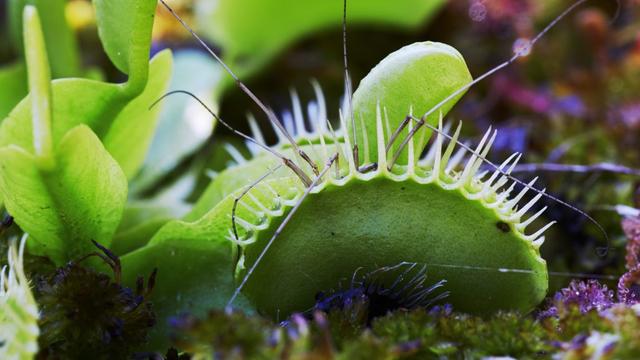
To trap its prey, the Venus flytrap sends rapid electrical impulses, which are generated in response to touch or stress. But the molecular identity of the touch sensor has remained unclear. Japanese scientists have identified the molecular mechanism that triggers that response and have published their work in a new paper in the journal Nature Communications. As previously reported, the Venus flytrap attracts its prey with a pleasing fruity scent. When an insect lands on a leaf, it stimulates the highly sensitive trigger hairs that line the leaf. When the pressure becomes strong enough to bend those hairs, the plant will snap its leaves shut and trap the insect inside. Long cilia grab and hold the insect in place, much like fingers, as the plant begins to secrete digestive juices. The insect is digested slowly over five to 12 days, after which the trap reopens, releasing the dried-out husk of the insect into the wind. In 2016, Rainer Hedrich, a biophysicist at Julius-Maximilians-Universität Würzburg in Bavaria, Germany, led the team that discovered that the Venus flytrap could actually

Pure Science News
Scientists unlock secret to Venus flytrap’s hair-trigger response #Science #Biology #PlantBiology #VenusFlytrap #BiologicalResearch
https://purescience.news/article?id=958872
Scientists unlock secret to Venus flytrap’s hair-trigger response

To trap its prey, the Venus flytrap sends rapid electrical impulses, which are generated in response to touch or stress. But the molecular identity of the touch sensor has remained unclear. Japanese scientists have identified the molecular mechanism that triggers that response and have published their work in a new paper in the journal Nature Communications. As previously reported, the Venus flytrap attracts its prey with a pleasing fruity scent. When an insect lands on a leaf, it stimulates the highly sensitive trigger hairs that line the leaf. When the pressure becomes strong enough to bend those hairs, the plant will snap its leaves shut and trap the insect inside. Long cilia grab and hold the insect in place, much like fingers, as the plant begins to secrete digestive juices. The insect is digested slowly over five to 12 days, after which the trap reopens, releasing the dried-out husk of the insect into the wind. In 2016, Rainer Hedrich, a biophysicist at Julius-Maximilians-Universität Würzburg in Bavaria, Germany, led the team that discovered that the Venus flytrap could actually

Pure Science News
Scientists unlock secret to Venus flytrap’s hair-trigger response #Science #Biology #PlantBiology #VenusFlytrap #BiologicalResearch
https://purescience.news/article?id=958872
Scientists unlock secret to Venus flytrap’s hair-trigger response

To trap its prey, the Venus flytrap sends rapid electrical impulses, which are generated in response to touch or stress. But the molecular identity of the touch sensor has remained unclear. Japanese scientists have identified the molecular mechanism that triggers that response and have published their work in a new paper in the journal Nature Communications. As previously reported, the Venus flytrap attracts its prey with a pleasing fruity scent. When an insect lands on a leaf, it stimulates the highly sensitive trigger hairs that line the leaf. When the pressure becomes strong enough to bend those hairs, the plant will snap its leaves shut and trap the insect inside. Long cilia grab and hold the insect in place, much like fingers, as the plant begins to secrete digestive juices. The insect is digested slowly over five to 12 days, after which the trap reopens, releasing the dried-out husk of the insect into the wind. In 2016, Rainer Hedrich, a biophysicist at Julius-Maximilians-Universität Würzburg in Bavaria, Germany, led the team that discovered that the Venus flytrap could actually

Pure Science News
Scientists unlock secret to Venus flytrap’s hair-trigger response #Science #Biology #PlantBiology #VenusFlytrap #BiologicalResearch
https://purescience.news/article?id=958872
Scientists unlock secret to Venus flytrap’s hair-trigger response

To trap its prey, the Venus flytrap sends rapid electrical impulses, which are generated in response to touch or stress. But the molecular identity of the touch sensor has remained unclear. Japanese scientists have identified the molecular mechanism that triggers that response and have published their work in a new paper in the journal Nature Communications. As previously reported, the Venus flytrap attracts its prey with a pleasing fruity scent. When an insect lands on a leaf, it stimulates the highly sensitive trigger hairs that line the leaf. When the pressure becomes strong enough to bend those hairs, the plant will snap its leaves shut and trap the insect inside. Long cilia grab and hold the insect in place, much like fingers, as the plant begins to secrete digestive juices. The insect is digested slowly over five to 12 days, after which the trap reopens, releasing the dried-out husk of the insect into the wind. In 2016, Rainer Hedrich, a biophysicist at Julius-Maximilians-Universität Würzburg in Bavaria, Germany, led the team that discovered that the Venus flytrap could actually

Pure Science News

Russian 'Noah's Ark' Probe with 75 Mice and 1,500 Flies Completes 30-Day Space Mission

On September 19, 2025, Russia's Bion-M No. 2 satellite, dubbed the 'Noah's Ark,' returned to Earth after a 30-day mission in space, carrying a variety of biological specimens. Among its payload were 75 mice, over 1,500 flies, plant seeds, cell cultures, microorganisms, and other organisms, all part ... [More info]

Russian 'Noah's Ark' Probe with 75 Mice and 1,500 Flies Completes 30-Day Space Mission

What are the implications of the panspermia experiment on future space missions, and how might the survival of microbes during re-entry into Earth's atmosphere influence our understanding of life in extreme environments? ...

[View original comment]

🧠⚡ "Quanta Magazine unravels the 'mystery' of brain fluid flow, because who doesn't love a good brain fluid saga? Spoiler: it's just more fluid #dynamics but with a touch of biological jargon to sound fancy. 🧩📚"
https://www.quantamagazine.org/the-mysterious-flow-of-fluid-in-the-brain-20250326/ #brainfluid #biologicalresearch #QuantaMagazine #sciencecommunication #fluiddynamics #HackerNews #ngated
The Mysterious Flow of Fluid in the Brain | Quanta Magazine

A popular hypothesis for how the brain clears molecular waste, which may help explain why sleep feels refreshing, is a subject of debate.

Quanta Magazine

They are at least just shifting their head so they are looking through one objective and leaving the unused eye open.

My main concern is this person is planning to move to industry. I'm worried that their supervisor is going to take one look at their one-eyed microscope use and flip out.

Is this as much of a problem as I think, or are companies for the most part using view screens these days?

#biotech #biologicalresearch

ஆய்வுகளில் ஈடுபடுத்தப்படும் உயிரினங்களின் பாலினம் குறித்த விவரங்கள் கணக்கிடப்பட வேண்டும் https://patrikai.com/account-for-the-role-of-sex-in-biological-research/ via @[email protected]

#BiologicalResearch

ஆய்வுகளில் ஈடுபடுத்தப்படும் உயிரினங்களின் பாலினம் குறித்த விவரங்கள் கணக்கிடப்பட வேண்டும்

அறிவியல் ஆய்வுக்கு மானியம் வழங்கும் அமைப்புகள் மற்றும் ஆய்வு பத்திரிகைகள் ஆண், பெண் என இருபாலினத்திலும் உயிரின ஆய்வு மேற்கொள்ள கடந்த சில ஆண்டுகளாக வலியுறுத்தி வருகின்றன. இரண்டு முக்கிய காரணங்களுக்காக இரு பாலினங்களை சேர்க்குமாறு அமெரிக்க தேசிய சுகாதார நிறுவனம் (NIH) மற்றும் ஐரோப்பிய ஒன்றியம் உள்ளிட்ட நிதிஉதவி செய்பவர்கள் மற்றும் ஆய்வு வெளியீட்டாளர்கள் ஆராய்ச்சியாளர்களைக் கேட்டுக் கொண்டுள்ளது. ஒன்று, பாலின அடிப்படையிலான வேறுபாடுகள், பெரும்பாலும் ஹார்மோன் சுயவிவரங்கள் அல்லது பாலின குரோமோசோம்களில் உள்ள மரபணுக்களுடன்...

www.patrikai.com