I would like to thank Mythos for my having to perform multi-factor gymnastics every day for every work mobile app:

* Please re-authenticate
* User ID
* BeyondIdentity Challenge (which never works)
* Open BI QR Code
* Screen Shot QR Code
* Open in Work Side Photos app
* Google Lens to read the QR code and turn into a URL
* Open the URL
* Approve BI
* Challenged with my phone's 8 digit PIN
* Challenged by Okta
* Accept the Okta Notification
* What was I just trying to do?

#mythos #BeyondIdentity #Okta

What is your original face before your parents were born?

🧘‍♀️ 🌌 👁️

This koan invites contemplation on the nature of self and existence beyond conventional identities.

#TrueSelf #ZenKoan #BeyondIdentity #EternalNature

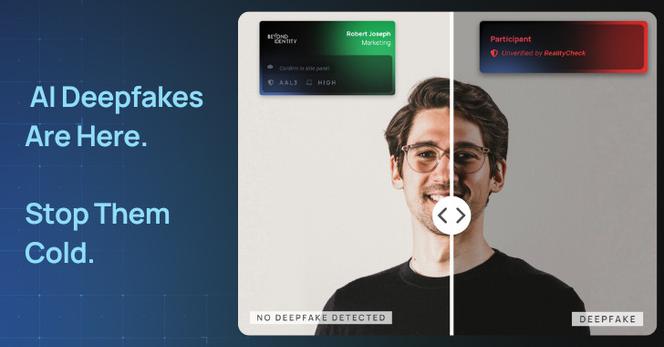
Deepfake Defense in the Age of AI

Voice phishing rose 442% in late 2024 as AI deepfakes bypass detection tools, forcing shift to prevention.

The Hacker News

NAUGHTY OR NICE?

Almost 40% of Americans Use Embarrassing Passwords

What insights do you find when you ask 1,030 Americans about their password use?

Beyond Identity, an industry player dedicated to eradicating the password, posed that question last year to online survey takers.

The results:

➡️​ 38% defend their data with a password that they'd be embarrassed to say aloud.

➡️​ 42% of Millennials and GenZers included profanity in their passwords.

➡️​ 26% associated a niche interest in their password that they didn't want others to know about.

➡️​ 23% of Millennials included the name of a loved one in their passwords, either a family member or the object of their romantic affection.

➡️​ 68% said they would share their passwords with a spouse or partner.

➡️​ 57% said they would tell a significant other their password.

➡️​ 43% of respondents said they would share their passwords with their parents.

➡️​ 39% would tell their passwords to a sibling.

➡️​ 23% would share their password with their roommate or co-worker.

➡️​ 51% of those surveyed said they had committed all their passwords to memory.
➡️​ 32% said they write their passwords down to keep track of them.

➡️​ 19% report using a stand-alone password manager.

➡️​ 11% say they use their browser's built-in password manager.

Are these numbers accurate? The participants may have selective memory or may have exaggerated their responses. So these numbers represent what people casually *say* they do, not necessarily what they *actually* do. It's possible the inclusion of "something naughty" in users' passwords is even more common than indicated here.

Even so, this survey report offers an interesting glimpse into current password practices in the U.S.

https://www.beyondidentity.com/blog/password-faux-pas

#Infosec
#Cybersecurity
#Passwords
#BeyondIdentity
#NaughtyOrNice

Password Faux Pas

Exploring password practices from use and reuse, to updating time after a breach, and embarrassing password subjects.

NAUGHTY OR NICE?

Almost 40% of Americans Use Embarrassing Passwords

What insights do you find when you ask 1,030 Americans about their password use?

Beyond Identity, an industry player dedicated to eradicating the password, posed that question last year to online survey takers.

The results:

➡️​ 38% defend their data with a password that they'd be embarrassed to say aloud.

➡️​ 42% of Millennials and GenZers included profanity in their passwords.

➡️​ 26% associated a niche interest in their password that they didn't want others to know about.

➡️​ 23% of Millennials included the name of a loved one in their passwords, either a family member or the object of their romantic affection.

➡️​ 68% said they would share their passwords with a spouse or partner.

➡️​ 57% said they would tell a significant other their password.

➡️​ 43% of respondents said they would share their passwords with their parents.

➡️​ 39% would tell their passwords to a sibling.

➡️​ 23% would share their password with their roommate or co-worker.

➡️​ 51% of those surveyed said they had committed all their passwords to memory.
➡️​ 32% said they write their passwords down to keep track of them.

➡️​ 19% report using a stand-alone password manager.

➡️​ 11% say they use their browser's built-in password manager.

Are these numbers accurate? The participants may have selective memory or may have exaggerated their responses. So these numbers represent what people casually *say* they do, not necessarily what they *actually* do. It's possible the inclusion of "something naughty" in users' passwords is even more common than indicated here.

Even so, this survey report offers an interesting glimpse into current password practices in the U.S.

https://www.beyondidentity.com/blog/password-faux-pas

#Infosec
#Cybersecurity
#Passwords
#BeyondIdentity
#NaughtyOrNice

Password Faux Pas

Exploring password practices from use and reuse, to updating time after a breach, and embarrassing password subjects.

NAUGHTY OR NICE?

Almost 40% of Americans Use Embarrassing Passwords

What insights do you find when you ask 1,030 Americans about their password use?

Beyond Identity, an industry player dedicated to eradicating the password, posed that question last year to online survey takers.

The results:

38% defend their data with a password that they'd be embarrassed to say aloud.
42% of Millennials and GenZers included profanity in their passwords.
26% associated a niche interest in their password that they didn't want others to know about.
23% of Millennials included the name of a loved one in their passwords, either a family member or the object of their romantic affection.
68% said they would share their passwords with a spouse or partner.
57% said they would tell a significant other their password.
43% of respondents said they would share their passwords with their parents.
39% would tell their passwords to a sibling.
23% would share their password with their roommate or co-worker.
51% of those surveyed said they had committed all their passwords to memory.
32% said they write their passwords down to keep track of them.
19% report using a stand-alone password manager.
11% say they use their browser's built-in password manager.

Are these numbers accurate? The participants may have selective memory or may have exaggerated their responses. So these numbers represent what people casually *say* they do, not necessarily what they *actually* do. It's possible the inclusion of "something naughty" in users' passwords is even more common than indicated here.

Even so, this survey report offers an interesting glimpse into current password practices in the U.S.

https://www.beyondidentity.com/blog/password-faux-pas

#Infosec
#Cybersecurity
#Passwords
#BeyondIdentity
#NaughtyOrNice

Password Faux Pas

Exploring password practices from use and reuse, to updating time after a breach, and embarrassing password subjects.

NAUGHTY OR NICE?

Almost 40% of Americans Use Embarrassing Passwords

What insights do you find when you ask 1,030 Americans about their password use?

Beyond Identity, an industry player dedicated to eradicating the password, posed that question last year to online survey takers.

The results:

38% defend their data with a password that they'd be embarrassed to say aloud.
42% of Millennials and GenZers included profanity in their passwords.
26% associated a niche interest in their password that they didn't want others to know about.
23% of Millennials included the name of a loved one in their passwords, either a family member or the object of their romantic affection.
68% said they would share their passwords with a spouse or partner.
57% said they would tell a significant other their password.
43% of respondents said they would share their passwords with their parents.
39% would tell their passwords to a sibling.
23% would share their password with their roommate or co-worker.
51% of those surveyed said they had committed all their passwords to memory.
32% said they write their passwords down to keep track of them.
19% report using a stand-alone password manager.
11% say they use their browser's built-in password manager.

Are these numbers accurate? The participants may have selective memory or may have exaggerated their responses. So these numbers represent what people casually *say* they do, not necessarily what they *actually* do. It's possible the inclusion of "something naughty" in users' passwords is even more common than indicated here.

Even so, this survey report offers an interesting glimpse into current password practices in the U.S.

https://www.beyondidentity.com/blog/password-faux-pas

#Infosec
#Cybersecurity
#Passwords
#BeyondIdentity
#NaughtyOrNice

​ Feel free to share (boost) this post with all those who follow you by clicking the cycled-arrow icon below.

  ​Here on Mastodon, boosting doesn’t elevate a post through any algorithmic shenanigans. Everyone who follows you gets to see the post (“toot”) without the platform interfering.

Password Faux Pas

Exploring password practices from use and reuse, to updating time after a breach, and embarrassing password subjects.

Soziale Medien, E-Mails und Dokumente – in fast allen Unternehmen können frühere Angestellte weiterhin auf interne Informationen zugreifen.
Firmenkonten nicht gelöscht: Ehemalige Mitarbeiter sind oft ein Security-Risiko

Soziale Medien, E-Mails und Dokumente – in fast allen Unternehmen können frühere Angestellte weiterhin auf interne Informationen zugreifen.

heise online