 Thomas Schäfer
IPv6 in the boardroom
By Terry Sweetser on 13 May 2026
IPv6 in the boardroom
By Terry Sweetser on 13 May 2026
What you block in #DNS depends strongly on who curates the list. 🤔
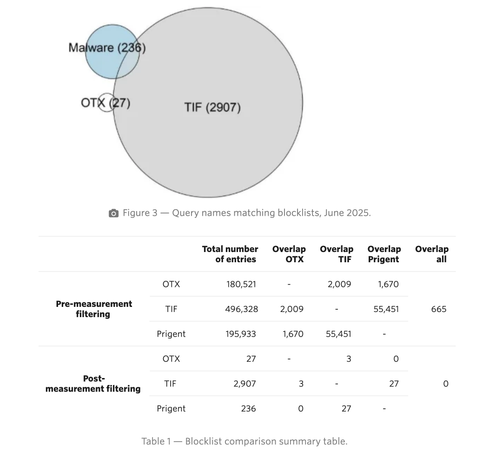
That's my takeaway from Branden’s recent #APNIC article on DNS blocking in practice. Especially interesting is how little overlap there was between three blocklists that all aim to identify malicious domains.
Blocking is not just about feeds and tooling, but also about curation, transparency, taxonomy, and context: https://blog.apnic.net/2026/03/04/dns-blocking-in-practice-pdns-in-a-research-and-education-network/
As seen in @andrew_campling ’s weekly "DNS in the News": https://419.consulting/encrypted-dns/f/dns-in-the-news-9th-march-2026
https://blog.apnic.net/2026/03/02/apricot-2026-keynotes-agency-memory-and-getting-ipv6-done/
https://conference.apnic.net/61/assets/presentation-files/07905055-3f90-48af-ac5e-097b9ff91621.pdf
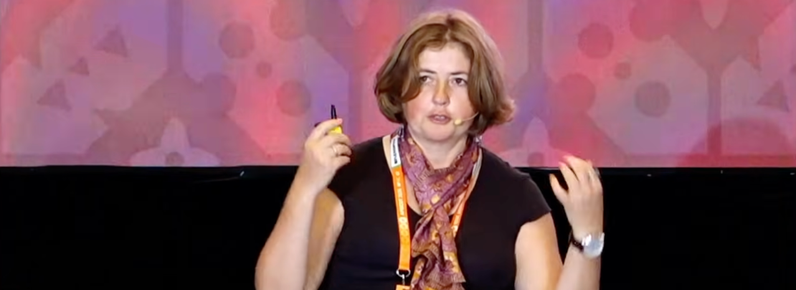
The APRICOT 2026 keynotes set three complementary challenges for the Internet community — use automation without losing agency, preserve the operational record that explains how we got here, and finish the work of IPv6 where it still lags.
The Internet Last Week
* Cloudflare outage
https://blog.cloudflare.com/18-november-2025-outage/
https://www.cloudflarestatus.com/incidents/8gmgl950y3h7
https://www.thousandeyes.com/blog/cloudflare-outage-analysis-november-18-2025
https://infosec.exchange/@dougmadory/115570877781768950
* APNIC services disruption
https://apnic.site24x7statusiq.com/#/incident/x0zS3jb7kgn5Q4gW4Lti_TWgsplQIW_HwZIWW_-RexKffYb2ibZqP1JLeqmm8BxBU6heUoM0mfE6aAmdOHnyHA==
* LINX 125
https://www.linx.net/events/linx125/
* AS number block allocation to LACNIC
https://www.iana.org/numbers/allocations/lacnic/asn/
https://orbit.apnic.net/hyperkitty/list/[email protected]/thread/M7LZEP3ECVQRO3IPHB6SGZY7IHXRV46N/
An awesome guest post: Botnets Never Die on the creativity of #malware developers to be found at #APNIC. It covers details to the #AisuruBotnet, The #AIRASHIBotnet, and how their #C2 communication #protocol works.
Apparnetly, the heartbeat is a client sending cat to the C2 server, and the server responds with meow. Fun and creative.


 Andreas Taudte
 GripNews

 Dataplane.org
 Max Resing