5 Proven Ways to Improve Gut Health and Boost Your Immune System Naturally

Did you know that about 70% of your immune system is in your gut? This shows how important your digestive system is. It helps keep your body safe from bad bacteria and inflammation.

It’s key to keep your digestive system balanced for good health. Your gut has trillions of tiny living things, like good bacteria. Eating more fruits and veggies can help your gut health.

Good gut health helps your body absorb nutrients and fight off bad germs. This guide will show you five easy ways to keep your gut healthy. Drinking enough water is also important for digestion. Having a healthy digestive system is a big step towards better health. It helps prevent problems like bowel disease and issues from eating processed foods.

  • Introduction to Gut Health
  • Understanding How Gut Health Impacts Immunity
  • way to have healthy gut: Simple and Effective Strategies
  • Optimizing Your Diet for a Healthy Gut
  • Lifestyle Changes to Enhance Digestive Health
  • Recognizing and Addressing Common Gut Health Symptoms
  • Practical Tips from Health Experts
  • Conclusion
  • Introduction to Gut Health

    The link between gut health and overall health is clear. Dr. March Seabrook says a balanced digestive system is key for digestion, metabolism, and immunity. Eating fermented foods and a variety of fruits and vegetables can really help your gut.

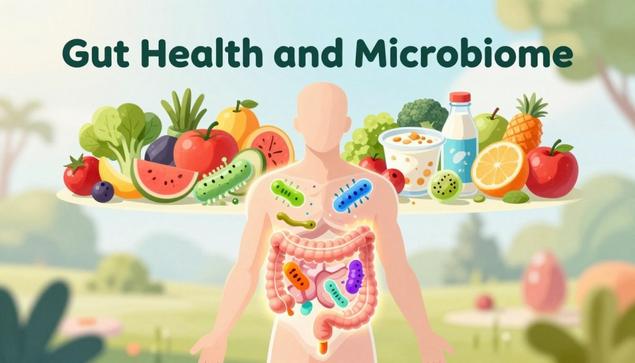
    Your digestive system is home to trillions of tiny living things. These include bacteria, viruses, and fungi, known as the gut microbiome. This group of tiny beings is very important for your health. They help your immune system and how you absorb nutrients from foods.

    Many people are learning that the right balance of bacteria gut is key. It helps prevent diseases like inflammatory bowel disease and irritable bowel syndrome. Knowing how these tiny beings work with your body is important for your health and preventing chronic diseases.

    Experts say that focusing on gut health is a smart way to keep your body healthy. Adding probiotics and drinking lots of water are also good ideas.

    Understanding How Gut Health Impacts Immunity

    Research shows that a lot of your immune system is in your gut. This area of your body is a main defense against bad bacteria.

    If your bacteria gut balance is off, you might get sick more easily. Or, you could even get chronic autoimmune diseases. Keeping your gut balanced is key for a strong immune system.

    A healthy gut helps your immune system by controlling inflammation. It also makes sure your body gets the nutrients it needs for health.

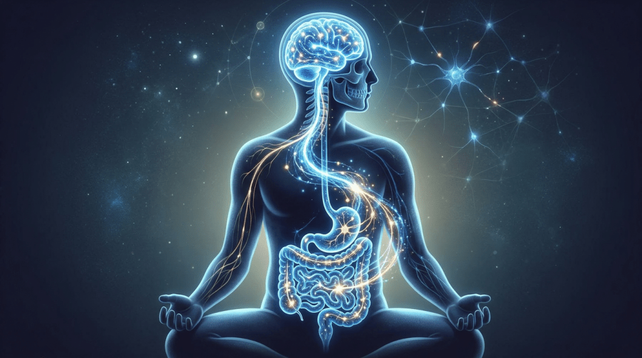
    The gut-brain axis lets your gut talk to your brain. This affects your immunity and how you handle stress. Taking care of your gut is a smart way to keep your immune system strong.

    Read more: How to Bake Insulin-Friendly Muffins: Soft, Moist, and Guilt-Free

    way to have healthy gut: Simple and Effective Strategies

    The gut microbiome is a complex group of tiny living things. They are very important for your health. Eating a variety of foods helps these tiny beings thrive.

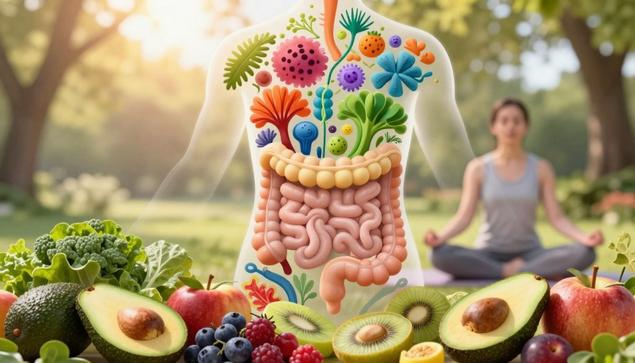
    A healthy microbiome helps with digestion and keeps you safe from diseases. Eating foods like fruits vegetables helps the good bacteria in your gut. This supports a healthy digestive system.

    Simple changes in your life can help a lot. Managing stress and staying active are good for your gut and immunity. By taking care of your gut, you help your body stay healthy and strong.

    Read more: How to Boost Insulin Sensitivity with Healthy Eating Tips: Simple Recipes

    Optimizing Your Diet for a Healthy Gut

    Eating right can make your gut healthier. Most people need 21 to 38 grams of fiber each day. This helps reduce inflammation and keeps your colon working well.

    Eating lots of fruits and vegetables is key. They give your gut the fiber it needs. This helps your gut stay healthy and helps you go to the bathroom regularly. Also, adding probiotics to your diet can help your gut even more.

    Choosing whole foods is smart. This avoids bad additives that can upset your gut.

    Fiber feeds the good bacteria in your gut. This can stop problems like constipation and diseases like Crohn’s.

    A diet full of fiber and plant-based foods is best. It keeps your gut healthy and boosts your overall health.

    Lifestyle Changes to Enhance Digestive Health

    Simple changes can improve your digestion. Doing 150 to 270 minutes of exercise a week helps your gut and health.

    Drinking 4 to 6 cups of water a day is also key. It helps move nutrients and prevents constipation.

    Getting 7 to 9 hours of sleep a night is crucial. Good sleep helps manage stress and keeps your gut-brain axis in balance.

    Stress can harm your gut. It can change hormones and hurt your digestion. So, finding ways to relax is important.

    Regular exercise and enough sleep support your gut’s bacteria. These changes improve your digestion and keep your system balanced.

    Recognizing and Addressing Common Gut Health Symptoms

    Knowing your gut symptoms is key for health. March Seabrook, MD, says signs like pain, bloating, and diarrhea might mean a gut problem.

    If your bowel habits change, like going less often, see a doctor. Watching these signs can stop bigger problems.

    Doctors use fecal calprotectin tests for gut inflammation. Conditions like C. diff can upset your gut and cause serious illness.

    If you have red flag symptoms like bloody stools or severe pain, get help fast. Taking care of your gut health is very important.

    Read more: How to Make Insulin-Reducing Overnight Oats: Healthy and Tasty

    Practical Tips from Health Experts

    Experts say gut health is vital. March Seabrook, MD, recommends probiotics like Lactobacillus, Bifidobacterium, and Saccharomyces to balance gut bacteria.

    Eating fermented foods like yogurt and sauerkraut adds good bacteria. These foods help your digestive system work better.

    Prebiotics feed good bacteria, helping them grow. Avoid foods that hurt your gut, like bananas or gluten.

    Always talk to a doctor before starting new supplements. This makes sure they’re right for you.

    Conclusion

    Investing time in your digestive health can lead to significant long-term benefits. Taking care of your gut is a lifelong promise. It brings better immunity, a happier mood, and less risk of chronic diseases.

    By following five simple strategies, you can control your digestive system. You’ll feel great every day. Small changes, like eating more fiber or managing stress, can make a big difference.

    If you have ongoing symptoms, don’t wait to see a doctor or specialist. They can give you the care you need. Taking action now keeps your gut healthy. This lets you live a better life for many years.

    Disclaimer: The information provided in this blog is for educational and informational purposes only and is not intended as medical advice. We are not a medical professional, and the content shared here—including recipes, nutrition tips, and discussions related to insulin, blood sugar, or metabolic health—should not be used to diagnose, treat, cure, or prevent any medical condition.

    Always consult with a qualified healthcare provider before making changes to your diet, medications, or lifestyle, especially if you have diabetes, insulin resistance, or any other health condition. Individual needs vary, and what works for one person may not be appropriate for another.

    By using this site, you acknowledge that you are responsible for your own health decisions and agree that the author is not liable for any outcomes related to the use of the information provided.

    #Lifestyle #antiInflammatoryFoods #blog #boostImmunityNaturally #BoostImmunitySystem #digestiveWellness #GutHealth #gutHealthTips #gutMicrobiome #gutImmuneConnection #healthyDigestionTips #healthyEalting #healthyGut #healthyLifestyleForWomen #holisticHealth #ImmuneSystem #improveGutHealth #naturalHealthRemedies #naturalImmuneSupport #prebiotics #probiotics #Style #WaysToHaveHealthyGut #womenSHealth #womenSWellness
    🥑✨ Discover the Insider’s Guide To Anti-Inflammatory Foods That Help In Losing Weight! 🍎🥦

    Curious about foods that can boost your health journey? Dive into our latest blog where we uncover the top anti-inflammatory foods that support weight loss. 🌿💪

    Ready to explore more? Click the link in bio to read the full blog! 📖💼

    https://www.tapasyamundhra.com/blog/insiders-guide-to-anti-flammatory-foods-that-help-in-losing-weight/

    #HealthAndWellness #NutritionTips #WeightLossJourney #AntiInflammatoryFoods #HealthyEating

    Insider's Guide To Anti-Flammatory Foods That Help In Losing Weight

    Whether or not it is withinside the shape of a salad or jumbled in with different elements, or if you want faster results have weight loss contact with Tapasya.

    Tapasya Mundhra Blog |

    Sweet Potatoes: The Super Root Vegetable for a Long Life

    Sweet potatoes, also known as yams, are not only seen as a delicious side dish but also as a true superfood when it comes to promoting health and longevity. Their rich composition of vital nutrients, antioxidant properties, and versatile culinary uses make them an integral part of a balanced longevity diet. Accounting for over 50% of the energy intake in the traditional diet of the Blue Zone Okinawa, they are also considered one of the critical components of longevity there. But how exactly do sweet potatoes affect our health span and contribute to a longer life? Let’s dive into the colorful world of sweet potatoes and uncover their secrets.

    Insights on Sweet Potatoes, One of the Healthiest Vegetables in the World

    Sweet potatoes are known not only for their versatility in the kitchen but also for their impressive health benefits. Below are the key nutrients and their specific impacts on health and longevity in a detailed and structured form:

    Complex Carbohydrates

    • Slow Energy Release: Sweet potatoes consist of complex carbohydrates that are slowly digested, allowing for a steady release of energy. This helps avoid blood sugar spikes and provides long-lasting satiety.
    • Glycemic Index: Compared to other starchy foods, sweet potatoes (when cooked) have a relatively low glycemic index (GI) of under 55, making them a suitable choice for blood sugar control.

    Beta-Carotene and Vitamin A

    • High Beta-Carotene Content: Sweet potatoes are particularly rich in beta-carotene, a powerful antioxidant that gives them their characteristic orange color.
    • Conversion to Vitamin A: In the body, beta-carotene is converted to vitamin A, essential for healthy vision, skin health, and strengthening of the immune system.
    • Protection Against Chronic Diseases: The antioxidant properties of beta-carotene help protect the body from harmful free radicals and can reduce the risk of certain chronic diseases, such as heart disease and cancer.

    B Vitamins

    • Metabolic Support: Sweet potatoes are a good source of nearly all B vitamins, including vitamin B6, B1 (thiamin), and B2 (riboflavin), which are essential for energy metabolism and nerve function.
    • Homocysteine Regulation: Vitamin B6 plays a key role in regulating homocysteine levels in the blood, whose elevation is associated with an increased risk for heart diseases.
    • Vitamin B12: As with almost all plant foods, vitamin B12 is absent in sweet potatoes and must be supplemented elsewhere.

    Vitamin C

    • Immune System Boost: Vitamin C is known for its role in strengthening the immune system and preventing infectious diseases.
    • Antioxidant Effect: It acts as a powerful antioxidant, protecting the body from free radicals and reducing inflammation.
    • Skin Health: Vitamin C is also important for the formation of collagen, essential for skin health and wound healing.

    Minerals

    • Potassium: Sweet potatoes are an excellent source of potassium, a mineral crucial for maintaining electrolyte balance, muscle function and blood pressure regulation.
    • Calcium and Magnesium: These minerals contribute to bone health and support muscle and nerve function.
    • Manganese: Manganese plays a key role in metabolism, supports bone health, and aids in the formation of collagen for healthy skin and joints. As part of antioxidant enzymes, manganese also helps protect the body from damage caused by free radicals.

    Fiber

    • Digestive Health: Fibers promote healthy digestion and can prevent constipation.
    • Prebiotic Effect: Besides the general benefits of fibers for digestive health, those in sweet potatoes have a prebiotic effect, promoting the growth of healthy gut bacteria.
    • Blood Sugar Control: They also help regulate blood sugar levels by slowing the absorption of sugar into the bloodstream, which is particularly beneficial for people with diabetes.
    • Satiety: The high fiber content in sweet potatoes can also aid in weight management by providing a longer-lasting feeling of fullness.

    Polyphenols and Anthocyanins

    • Anti-inflammatory Effect: Particularly in purple sweet potatoes, anthocyanins contain strong anti-inflammatory properties.
    • Cancer-Inhibiting Potentials: Polyphenols and anthocyanins in sweet potatoes have the potential to exert cancer-inhibiting effects by inhibiting cell proliferation and promoting apoptosis (programmed cell death) in cancer cells.
    • Chlorogenic Acid: This antioxidant found in sweet potatoes has anti-inflammatory properties and can positively influence blood sugar levels.
    • Flavonoids: The flavonoids in sweet potatoes, including quercetin, offer additional protection against cell damage through their antioxidant effect.

    Hydration

    • Water Content: Sweet potatoes have a high water content, contributing to hydration and important for skin health and overall physiological function.

    Complexity of Nutrients

    • Synergistic Effects: The combination of these nutrients in sweet potatoes leads to a synergistic effect that goes far beyond the sum of their parts. This nutrient composition supports not only physical health but also contributes to disease prevention and promotes longevity.

    With their richness in essential vitamins, minerals, fibers, and antioxidants, sweet potatoes thus represent an extremely valuable and particularly tasty addition to a healthy, balanced diet, significantly improving life quality and extending the health span.

    Nutritional Composition of Sweet Potatoes per 100 Grams of Cooked Sweet Potato (without salt)

    Macronutrients

    • Calories: Approximately 90-100 kcal, making them a moderately calorie-rich food source.
    • Water Content: High, about 77% of the weight, contributing to hydration.
    • Proteins: About 2 g, providing a small but valuable protein source.
    • Fats: Minimal, less than 0.2 g, making them a low-fat side dish.
    • Carbohydrates: About 20-25 g, mainly from complex starch and sugars, as well as fibers.

    Micronutrients

    • Fibers: About 3 g, supporting digestion and blood sugar regulation.
    • Vitamin A: Exceptionally high, about 709 µg RAE (Retinol Activity Equivalents), almost covering the daily requirement for adults.
    • Vitamin C: About 20 mg, which corresponds to about a third of the daily requirement.
    • Vitamin B6 (Pyridoxine): About 0.3 mg, important for protein metabolism and cognitive development.
    • Manganese: About 0.4 mg, supports metabolism and antioxidant defense.
    • Potassium: About 475 mg, essential for maintaining fluid balance and blood pressure.
    • Other Vitamins and Minerals: Contains smaller amounts of Thiamin (B1), Riboflavin (B2), Niacin (B3), Pantothenic Acid (B5), Folate (B9), Iron, Magnesium, Phosphorus, Zinc, and Copper.

    This comprehensive nutritional profile makes sweet potatoes an excellent food for promoting health and longevity. Their high content in Vitamin A and Beta-Carotene, along with the combination of minerals, vitamins and antioxidant phytonutrients, support a variety of body functions, from eye health to immune defense and prevention of chronic diseases.

    10 Tips for Using Sweet Potatoes in Everyday Cooking

  • Bake Instead of Frying: To preserve the nutrients of sweet potatoes, prefer baking them instead of frying. For quick preparation, the microwave is also a good option (approx. 4.5 min on the highest setting, then turn over and again 4.5 min. – Important: Pierce several times with a fork to allow the pressure to escape!).
  • Eat With the Skin: The skin of sweet potatoes contains additional fibers and nutrients (best to buy organic quality).
  • Combine With Healthy Fats: The absorption of Beta-Carotene is enhanced when sweet potatoes are combined with a source of healthy fats, such as olive oil or avocado.
  • Experiment With Spices: Sweet potatoes are versatile and taste great with a variety of spices, from cinnamon to chili.
  • Sweet Potato Toast: Use thin slices of sweet potato as a gluten-free and delicious toast alternative.
  • Add to Smoothies: Cooked and cooled sweet potatoes can add a creamy texture and a nutrient boost to your smoothies.
  • As Soup Base: Sweet potatoes give soups and stews a rich, creamy consistency without the need for cream.
  • Sweet Potato Chips as a Healthy Snack: Bake thin slices with a hint of olive oil and sea salt for a healthy snack.
  • In Salads: Cooked, diced sweet potatoes can be a nutritious and colorful addition to salads.
  • As a Side Dish to Main Courses: Sweet potato puree or wedges are the perfect side dish to almost any main course.
  • Conclusion

    Sweet potatoes are more than just a tasty side dish; they are a powerhouse of nutrients that promote health and can potentially contribute to longevity. With their versatility in the kitchen and the abundance of health-promoting properties, sweet potatoes deserve a permanent place in your diet. Incorporate them into your meals to benefit from their diverse advantages and maximize your health span.

    References

  • USDA National Nutrient Database
  • „Nutritional value and health benefits of sweet potatoes“ – Nutrition Reviews
  • „Beta-Carotene: an important vitamin A source for humans“ – Journal of Biomedicine and Biotechnology
  • „The antioxidant properties of Vitamin C“ – Nutrients
  • „Dietary fiber: Essential for a healthy diet“ – Mayo Clinic
  • „Anthocyanins in Health and Disease“ – CRC Press
  • „Polyphenols: food sources and bioavailability“ – The American Journal of Clinical Nutrition
  • „Effects of cooking methods on the nutritional value of sweet potatoes“ – Journal of Food Science and Technology
  • Ähnliche Beiträge / Related Content

  • Skin Health: Your Mirror for Inner Vitality, Resilience, and Well-Being!
  • Fiber: The Invisible Heroes in Our Food!
  • Spice Up Your Life: Unleash Youth & Vitality in a Culinary Way!
  • Flaxseeds: The Affordable and Highly Effective Superfood for Everyone
  • #AntiInflammatoryFoods #AntioxidantsInSweetPotatoes #BetaCaroteneInDiet #FiberRichFoods #PhytonutrientsInSweetPotatoes #PotassiumRichDiet #superfood #SweetPotatoHealthBenefits #SweetPotatoes #SweetPotatoesAndBloodSugarControl #SweetPotatoesNutrients #VitaminASources

    Anti-Inflammatory Foods: Vibrant, Awesome, and Practical

    Anti-Inflammatory foods, learn what foods to avoid, what foods to eat, and how to reduce stress. Fenugreek, Curcumin, leafy greens, read more

    Mentally39.com
    Anti-Inflammatory Foods: Vibrant, Awesome, and Practical

    Anti-Inflammatory foods, learn what foods to avoid, what foods to eat, and how to reduce stress. Fenugreek, Curcumin, leafy greens, read more

    Mentally39.com

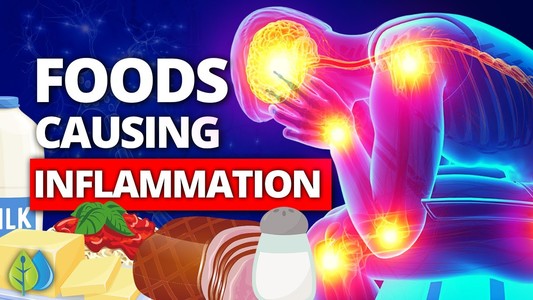
    13 Foods That Cause Inflammation - Replace! DailyHealthPost

    What is inflammation? It occurs when white blood cells release chemicals that increase blood flow to the site of infection or injury.

    Other inflammatory diseases include:
    Arthritis
    Depression
    Lung issues
    Heart disease
    Cancer
    Anger disorders

    #antiinflammatoryfoods #inflammatoryfoods #foodsthatcauseinflammation #13foodsthatcauseinflammation #arthritis #arthritistreatment

    https://youtu.be/Szsqo8pumLg

    🔥13 Foods That Cause Inflammation - Replace!

    YouTube

    13 Foods That Cause Inflammation - Replace! DailyHealthPost

    YouTube : https://dailyhealthpost.co/subscribe

    Watch the full video: https://www.youtube.com/watch?v=Szsqo8pumLg

    #foodsthatcauseinflammation
    #antiinflammatoryfoods

    DailyHealthPost

    Feel Amazing Naturally. Curating the best health and nutrition content since 2012.

    YouTube