 grammaticus
‘Life’ by Charlotte Brontë
Originally published in 1846, Life is a three-stanza poem by the eldest of the famous Brontë sisters, Charlotte. It appeared in their first, self-published, collection of works which—unpromisingly—sold only two copies. However, only a year later Charlotte managed to get her novel Jane Eyre published, and the rest is history, as they say.
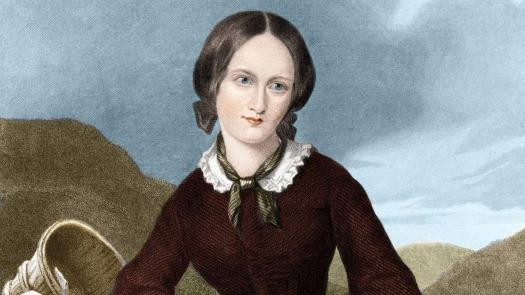
Charlotte Brontë (1816-1855)Life is a delightfully optimistic poem. In stanza 1, the poet counters the prevailing opinion of the wise men (the ‘sages’), positing that life is not as gloomy and difficult as it’s often claimed. If and when there is hardship, it’s there only to enable something better to come out of it.
The very brief second stanza is a poetic take on the carpe diem philosophy of life: life is short and fleeting; seize the day and make the best of it! In the longest, third stanza, Brontë muses on the power of hope and courage, using a number of adjectives and adverbs to describe their characteristics.
Speaking of adjectives and adverbs, there’s a vocabulary exercise below the poem intended for English language learners. I hope you find it useful! And if you’d like to learn more about the Brontë sisters, have a look at my selection of resources for further study.
Life, believe, is not a dreamSo dark as sages say;Oft a little morning rainForetells a pleasant day.Sometimes there are clouds of gloom,But these are transient all;If the shower will make the roses bloom,O why lament its fall ?Rapidly, merrily,Life's sunny hours flit by,Gratefully, cheerily,Enjoy them as they fly !What though Death at times steps inAnd calls our Best away ?What though sorrow seems to win,O'er hope, a heavy sway ?Yet hope again elastic springs,Unconquered, though she fell;Still buoyant are her golden wings,Still strong to bear us well.Manfully, fearlessly,The day of trial bear,For gloriously, victoriously,Can courage quell despair!VOCABULARY EXERCISES
TRANSIENT | RAPID | MERRY | GRATEFUL | CHEERY | ELASTIC | UNCONQUERED | BUOYANT | MANFUL
- capable of floating; not easily depressed; cheerful
- flexible, resilient, springy
- lasting a short time, temporary
- thankful
- fast, quick, sudden
- bold, brave, courageous, strong
- lively, cheerful, joyous
- not defeated or overcome
- happy, bright, joyful
Check your answers in the answer key!
ADDITIONAL READING
Charlotte Brontë – biography on the English History website
Ten Facts About the Most Interesting Literary Family – a Book Riot listicle
Cover photo by Sasha Freemind on Unsplash.
NOTES
I’m a freelance language tutor (English, Latin, Classical Greek), researcher, and a literary scholar currently based in Belgrade, Serbia.
If you wish to receive new content from my blog – as soon as it’s published – please enter your email address in the box below. You can also subscribe to my free monthly Newsletter and get a regular recap with additional content.
To support my work, you can send me a donation via PayPal. It would be greatly appreciated!
#19thCentury #adjectives #adverbs #CharlotteBronte #EnglishLiterature #EnglishVocabulary #learningEnglish #poem #poetry #vocabularyQuiz

 paulpritchard (He/Him)
 Justin Buzzard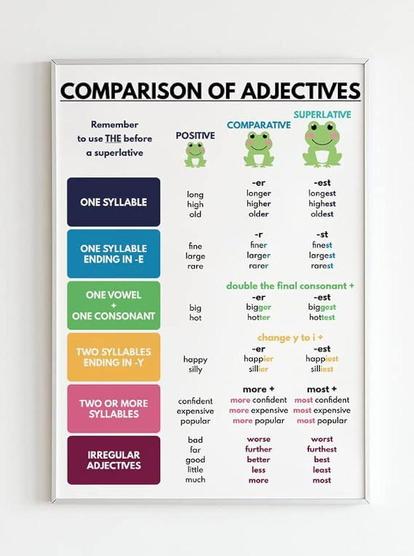
 GeorgeLThomas
 Zoe 💜
Zoe 💜 jordan
 Some Bits: Nelson's Linkblog
 Dr. Linguo
 PhotoSniperFox