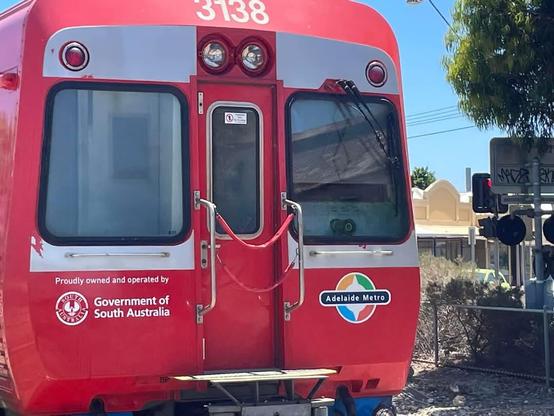
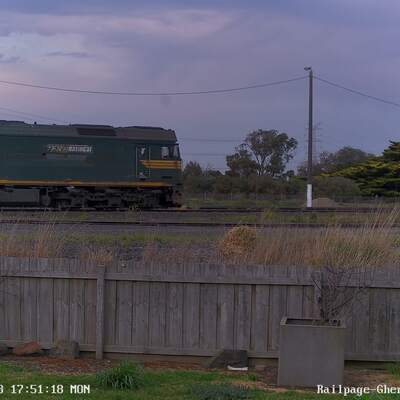
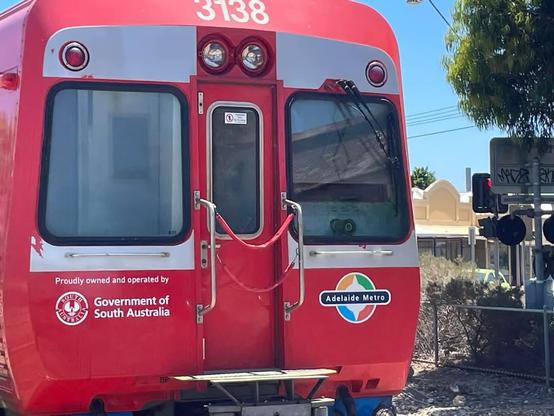
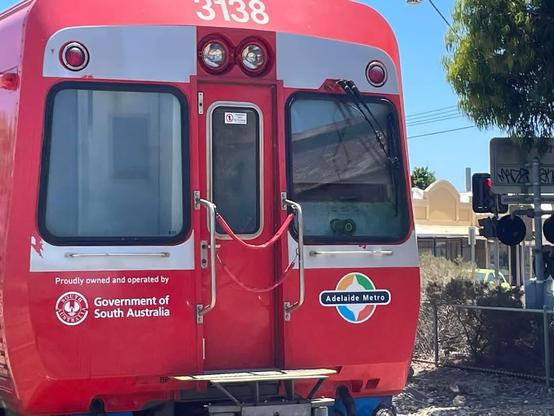
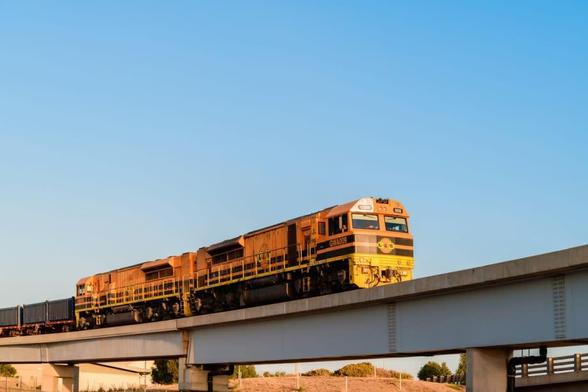
Travelling to #Belair 🇦🇺 National Park on a hybrid #AdelaideMetro train. The line consists of two tracks, one broad-gauge track for the frequent metro service and one standard-gauge track for freight and long-distance trains towards Melbourne.
Had to pop out in this 37.6c heat for a 5min appointment 3km away, left the house at 1:20pm, finally got home just now at 3:25pm, total appointment time 5 minutes, total travel time 2 hours and 5 minutes, #AdelaideMetro #Adelaide .. enough said.
♨️ 🔥
♨️
Changes to metro card prices for SA (school) students.
Word is that 28 day student pass is dropping from over $28 down to $10!
“As the $10 Student 28-Day Pass will now be cheaper than the Student 14-Day Pass, the 14-Day Student pass will be discontinued on 1 July 2025.”
Seems for everyone else prices are increasing by around 3% 🤷♂️
No luck for full time uni students either who as concession now need to fork out $59.60 for a 28-day pass.
Retired and semi-retired boomers still get to travel for free regardless of income or assets, so that’s one to celebrate. No hate on low income older people who need this.
https://www.indailysa.com.au/news/just-in/2025/03/27/10-news-daily-video-sa
https://www.adelaidemetro.com.au/about-us/news/news-items/2025/fare-prices-are-changing-this-july
https://www.seniorscard.sa.gov.au/membership/apply-for-a-seniors-card
So I found this ABC coverage as part of their 2017 Curious Adelaide series.
"Why was Adelaide's tram network ripped up in the 1950s?"
The article does play down any car company involvement and laughs off car industry involvement as just unfounded consipracy. But their skeptisism does not align with what we know of the pressure the car industry was putting on phasing out trams.
From the article:
"The Municipal Tramways Trust (MTT) introduced a 10-year plan to phase out trams in favour of buses by the mid 50s."
The public's affection for the network and dismay at its loss is evident in letters to the editor from the time.
C. Steele of Tusmore seemed to have a window to the future.
"A tram which carries 100 people has 50 times more right to be on the road than a car which carries only two people."
A scathing 1955 report by the Council of the South Australian Branch of Australian Electric Traction Association suggested some deeper issues..
I'll bet the middle/upper class who could afford a shiney new car on new roads had a very different take to more lowly workers who very much relied on the trams up to the end.. hmm
Im not satisfied that the article covers the question and is the end of it, but its definitley an nteresting read, especially the part on how folks responded in the last days of the tram and to the news of closure.
https://www.abc.net.au/news/2017-12-01/why-was-adelaides-tram-network-ripped-up-in-the-1950s/9205768
#Trams #PublicTransport
#AdelaideMetro #WalkableCities #AdelaideTrams #AdelaidePublicTransport #AdelaideHistory #StrongerAdelaide
At a time when public funds are being spent laying new tramlines in Adelaide's CBD, frustrated commuters have no doubt wondered what happened to the city's extensive tram network. This is what Curious Adelaide found out.
From the Wikipedia article:
“By 1945 the MTT was collecting fares for 95 million trips annually, representing 295 trips per head of population (350,000)”.
No mention of the tire company buying it out. The tramways trust was a gov endorsed tax-exempt non-profit, no mention of a sale.
I’m curious of if there was any pushback and more of the dynamics / politics leading up to 1958.
#Trams #PublicTransport #AdelaideMetro #WalkableCities #AdelaideTrams #AdelaidePublicTransport #AdelaideHistory