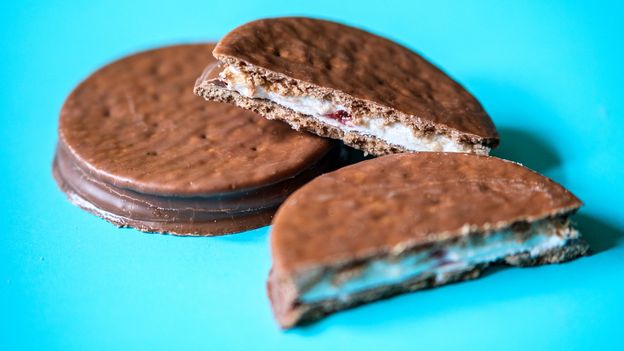
Ultra-processed foods (UPFs) in particular can disrupt and alter the microbes in our gut.
And one of the reasons is increasingly being attributed to the numerous additives in our food.…
Those who have lower bacterial diversity in their gut are more prone to sleep problems, poorer gut health and greater inflammation, whilst a high diversity is even linked to a longer life.

#UltraProcessedFood #Additives #Emulsifiers #Microbiome #Inflammation
https://www.bbc.com/future/article/20260220-how-ultra-processed-foods-influence-our-gut-microbiome

How ultra-processed foods affect our gut microbiome

The additives added to processed food to keep it fresher for longer might be having an unexpected effect on the health of the microbes in our guts.

BBC

Study Identifies Commonly Consumed Food Additive Mixtures, Questions Public Health Implications

Representing the first national assessment of food additive exposure in French children and adults, a new study has demonstrated that food a…
#dining #cooking #diet #food #Frenchdiet #additives #colorant #exposurescience #francais #france #French #frenchdiet #Study)
https://www.diningandcooking.com/2509142/study-identifies-commonly-consumed-food-additive-mixtures-questions-public-health-implications/

The German federal government is planning a broad ban on specific ingredients used in e‑cigarettes. Business Insider and the "Welt" report that ministries are c... https://news.osna.fm/?p=31480 | #news #additives #aims #banish #ecigarettes
Germany Aims to Banish 13 Harmful Additives from E‑Cigarettes - Osna.FM

Germany's federal government plans a comprehensive ban on specific ingredients in e‑vapes, aiming to curb health risks and protect consumers-what it means for industry and users.

Osna.FM

Eating too many preservatives could increase cancer and diabetes risks.

Two epidemiological studies suggest a link between certain chronic diseases and high exposure to preservative additives.

The research was based on a nationwide study of more than 105,000 adults in France.

https://mediafaro.org/article/20260108-eating-too-many-preservatives-could-increase-cancer-and-diabetes-risks?mf_channel=mastodon&action=forward

#Food #Health #Preservatives #Additives #Cancer #Diabetes #Science

Eating too many preservatives could increase cancer and diabetes risks.

Two epidemiological studies suggest a link between certain chronic diseases and high exposure to preservative additives. The research was based on a nationwide study of more than 105,000 adults in …

Le Monde
Are Artificial Food Additives & Colourings “Killing YOU”? Let’s Take a Look at 5 Keys to Decreasing the Toxic Load! Read now👉 https://buff.ly/qVprsUp
#changeyourhabits #transformyourlife #foodhealthrisks #additives
Sweeteners in diet drinks may steal years from the brain

A large Brazilian study following more than 12,000 middle-aged adults found that those consuming the most artificial sweeteners—commonly found in diet sodas, flavored waters, and processed snacks—experienced significantly faster declines in memory and thinking skills. The effect was equivalent to about 1.6 years of extra brain aging, with the strongest impact seen in people under 60 and those with diabetes.

ScienceDaily
Detergent additives found to generate glyphosate in treated wastewater

Certain detergent additives known as aminopolyphosphonates can be transformed into glyphosate and other problematic substances when wastewater is treated.

Phys.org

Titanium Dioxide, banned in Europe, is one of the most common food additives in the U.S. https://usrtk.org/chemicals/titanium-dioxide/

#UnitedStates #USA #US #Europe #nutrition #food #additives #health #PublicHealth

Titanium Dioxide, banned in Europe, is one of the most common food additives in the U.S.

Titanium dioxide is the most widely used whitening pigment in the world and has been linked to adverse health effects, particularly genotoxicity and intestinal inflammation.

U.S. Right to Know
How Everyday Food Additives May Be Fuelling T2D

Exposure to two common food additive mixtures containing emulsifiers, preservatives, and artificial sweeteners that are found in processed foods and beverages is linked to a higher incidence of T2D.

Medscape