
Jacek Rode
@wbezs
- 4 Followers
- 21 Following
- 46 Posts
🐧 🦀
 Tuta
TutaHi everyone. We experienced a downtime due to a DDoS attack. Tuta is online again.
Thanks for your patience and sorry for any inconvenience caused by this. Our team is looking into how we can harden our infrastructure against such attacks going forward.
 Tom Walker
Mastodon is the world's biggest community of people who deeply love computers and also think that the world would probably be better off without computers
 mcc
mccHard to imagine a signal that a website is a rugpull more intense than banning users for trying to delete their own posts
Like just incredible "burning the future to power the present" energy here

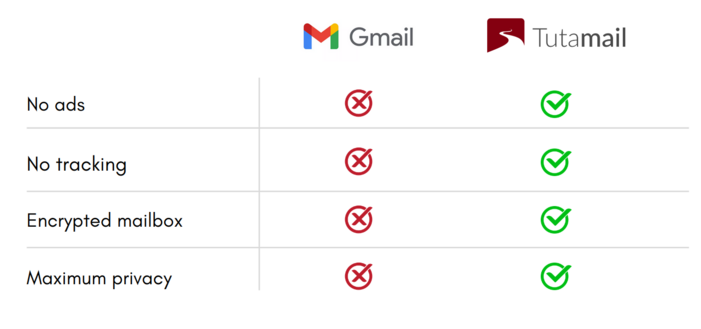
20 years ago #Gmail revolutionized email with free storage & conversation view. 📧
Today, we’re ready for another revolution: one where your #privacy is respected!
Let’s build a better web. 💪❤️
Tuta just turned ten & we’re continuing to revolutionize email!
👉 https://tuta.com/blog/gmail-20-years-old
 Nico
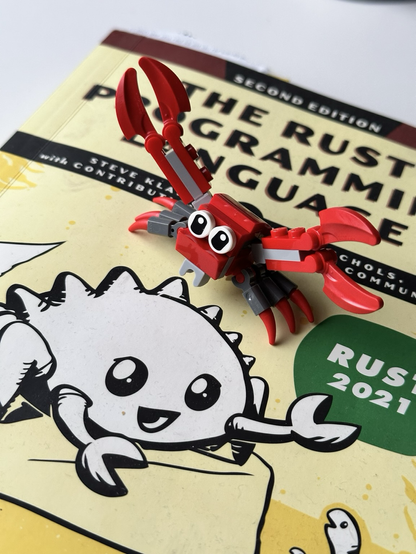
NicoAfter a long pause I started writing in my blog again! This time about #rust references & borrowing. As in my last post I show what is happening in the memory with GDB while I try to explain the concepts 
Rust references and borrowing from the inside
Now it is time to talk about references and borrowing. To understand this topic, first check out this post where I talk about ownership and move semantics. As we have seen in the named article, the way Rust manages memory allocations is rather unique. This is also true when we talk about referencing some place in the memory, something that can be achieved in C with pointers. GDB In this post I am going to explore what is happening in memory using the GNU Debugger (gdb) with the special command rust-gdb:
⚡ Watch out: #Microsoft joins #Google & #Facebook with its focus on ads first. ⚡
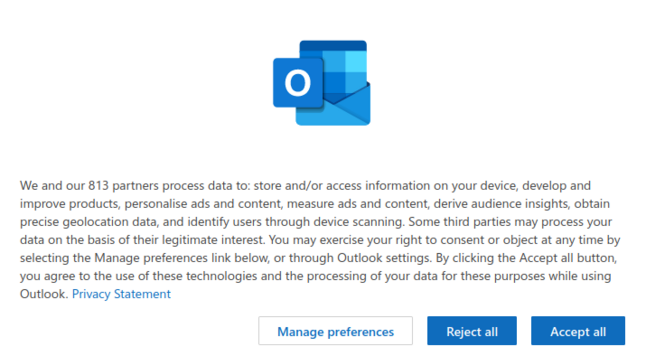
When creating a test account, #Outlook informed us of 813 data sharing partners! 🫢
Plus, the "new" Outlook app is quietly storing your data in the cloud, including your passwords.
👉 https://tuta.com/blog/outlook-shares-passwords-with-microsoft