Nic Goodman

@monkeyclaw
21 Followers
196 Following
373 Posts

Every time I hear “Siri AI”, I'm going to think of this.

Now you will, too.
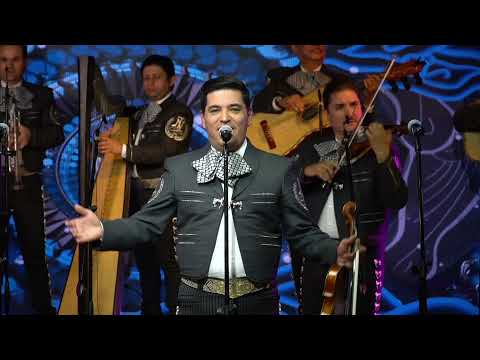
https://youtu.be/OHeHOb3E-2g?si=xfGCudB6R6xXrl8M&t=53

MARIACHI NUEVO TECALITLÁN / CIELITO LINDO

YouTube
Finally. #WWDC26
holy shit, the icon i designed was in a WWDC video. congrats on the callout, @caseyliss #wwdc #wwdc2026
Callsheet!!!! @caseyliss
HOLY SHIT @caseyliss
@Gte That's why I'm enamored with *dickover* -- a dickover dicks you over from seeing the goddamn article you want to read.
On a regular basis, I start my day w/this video.

Find things that inspire you, and keep finding them.

https://www.instagram.com/reel/DXHhyp6E7zU/
UniCineVerse on Instagram: "After the fall of Nazi Germany, Jojo realizes the ideology he once believed in was wrong. He returns to Elsa and tells her the war is over—and that she is finally free. For a moment, there’s a quiet pause between them, uncertain and emotional. Then Jojo asks her to dance, echoing the idea his mother once believed about freedom. They begin awkwardly, unsure and hesitant, but slowly loosen up. What starts as something fragile turns into a simple, human moment of joy. Not polished, not perfect—just two young people, free at last. Roman Griffin Davis (Jojo) had no major acting experience before this film, which adds to the natural honesty in his performance. Thomasin McKenzie (Elsa) and Roman reportedly built a genuine off-screen friendship, helping the final scene feel real rather than staged. Director Taika Waititi encouraged improvisation and looseness—the dance wasn’t meant to be perfectly choreographed, which is why it feels so spontaneous. He also chose the German version of “Heroes” (“Helden”) deliberately to heighten the emotional impact. The scene was designed to feel awkward at first on purpose, showing two traumatized kids slowly rediscovering joy, and was intended as a release after tension rather than a traditional “happy ending.” These are the types of scenes that make movies iconic.🎥"

139K likes, 1,818 comments - unicineverse on April 14, 2026: "After the fall of Nazi Germany, Jojo realizes the ideology he once believed in was wrong. He returns to Elsa and tells her the war is over—and that she is finally free. For a moment, there’s a quiet pause between them, uncertain and emotional. Then Jojo asks her to dance, echoing the idea his mother once believed about freedom. They begin awkwardly, unsure and hesitant, but slowly loosen up. What starts as something fragile turns into a simple, human moment of joy. Not polished, not perfect—just two young people, free at last. Roman Griffin Davis (Jojo) had no major acting experience before this film, which adds to the natural honesty in his performance. Thomasin McKenzie (Elsa) and Roman reportedly built a genuine off-screen friendship, helping the final scene feel real rather than staged. Director Taika Waititi encouraged improvisation and looseness—the dance wasn’t meant to be perfectly choreographed, which is why it feels so spontaneous. He also chose the German version of “Heroes” (“Helden”) deliberately to heighten the emotional impact. The scene was designed to feel awkward at first on purpose, showing two traumatized kids slowly rediscovering joy, and was intended as a release after tension rather than a traditional “happy ending.” These are the types of scenes that make movies iconic.🎥".

Instagram
@realGulDukat PLEASE post an AI slop image of yourself healing the sick as Kai. 😅
One of the impressive things about the Atlantic is that it was playing the same scale game as every other 2010s-era social-media-first publisher but managed to see the writing on the wall and pivot hard toward paid subscriptions. It famously shuttered its Atlantic Wire news aggregator and then doubled down on quality. It never installed abusive ad tech, and its leaders recognized that consumers would pay for highly differentiated content they couldn't get anywhere else. The strategy took a lot o

https://pressgazette.co.uk/north-america/the-atlantic-jeffrey-goldberg-profit/
How The Atlantic won 'tortoise and hare' race versus digital news start-ups

The Atlantic is in a "virtue cycle" of making a product people will pay for and putting the profit back into the business, its editor said.

Press Gazette