Weird that this is news. Intel has always improved their yields by selling defective CPUs. https://www.tomshardware.com/pc-components/cpus/intel-reportedly-says-it-boosted-yields-by-selling-what-would-normally-be-scrap-or-low-expectation-cpus-customers-more-willing-to-accept-lesser-chips-due-to-overwhelming-cpu-demand
In the 1990s: They’d fab 80486 CPUs onto a wafer. Then they’d test them.
If they showed no errors at 66 MHz, they’d sell them as 80486/66’s. If they showed errors at 66 MHz but were clean at 33 MHz, they’d sell them as regular 80486/33’s.
If the math processor part of the die ran errors, they’d burn it off with a laser and sell the result as an 80486SX. If the CPU part of the die ran errors but the math processor section ran clean, they’d burn the CPU off with a laser and sell the remnant as an 80387 math coprocessor. If both passed tests they’d sell the combination as an 80486DX.
That way they got 80486SX, 80486DX, 80486DX2/66 and 80387 products off the same die, where all the lower spec products were just the high-spec rejects.
(Tesla does the same thing with batteries: Cells which don’t reach the quality control requirements for EVs are recycled into Powerwalls so they can get extra revenue by selling their rejects)

 Cat Hicks
 Moof!
Moof! Amos Keppler
 jhx
jhx Emily_S
 Mark Newton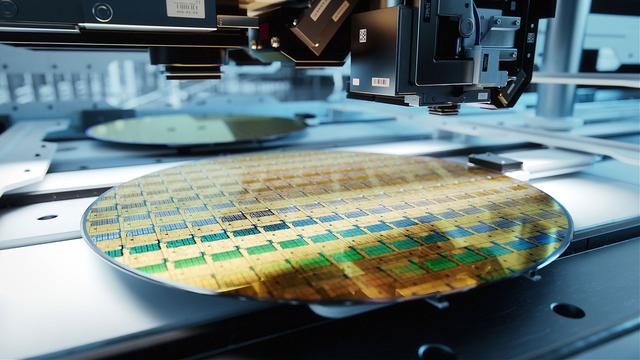
 devsimsek
 Matt Blaze
 Prof. Sam Lawler