Wanja Wolff

@SportPsychology
49 Followers
91 Following
16 Posts
Researching #SelfRegulation of performance through #Psychology, #Neuroscience & #SportScience. Planning to use that knowledge to stop getting worse at cycling.

At DHPRL, we study the dynamics of human performance regulation in sports and beyond through psychology, physiology and neuroscience.

We value #OpenScience & interdisciplinary collaboration.

Follow us if you are interested in research updates & want to connect 🙏
Examining the Alignment between Subjective Effort and Objective Force Production http://osf.io/vr2gn/
Bored participants, biased data? How boredom can influence behavioral science research and what we can do about it http://osf.io/hzfqr/
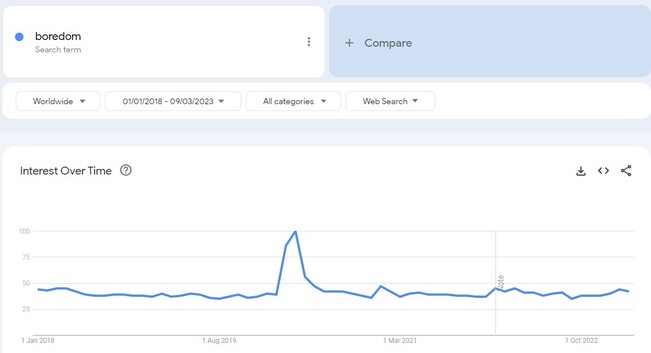
Fascinating bit from GoogleSearchTrends re worldwide interest in #boredom:
- interest doubled around time #pandemic restrictions started & then normalized VERY quickly
- indicates that boredom does the job it is designed to do & motivates people to find new things to do?
On the virtues of fragile self-control: Boredom as a catalyst for adaptive behavior regulation http://osf.io/tgq95/
And if interested, here is the share link: https://authors.elsevier.com/a/1gSFp2VHY4ShU
Boredom in Sports and Exercise http://osf.io/y6dkw/

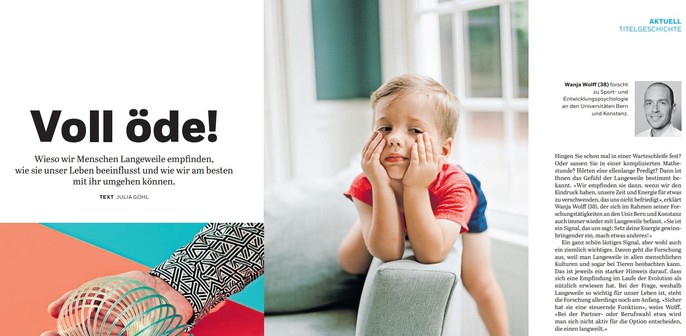
Es freut mich sehr, dass die Relevanz von #Langeweile auch vermehrt außerhalb der Forschung behandelt wird & dass reichweitenstarke Zeitungen wie die Coopzeitung Langeweile sogar als Titelthema thematisieren: https://epaper.coopzeitung.ch/epaper/newsstand.php

Vielen Dank für das nette Gespräch @julia_gohl!

Coopzeitung

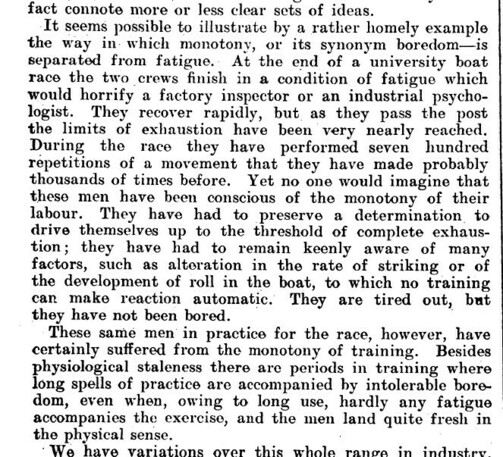
Still fascinated by this remarkably vivid illustration of boredom in sports, its differentation from fatigue & the importance of context for experiencing boredom. From 1926 🤯

"Discussion on the physical and mental effects of monotony in modern industry"

https://psycnet.apa.org/record/1926-10054-007

Now accepted in "Sport, Exercise, and Performance Psychology" 🥳

tl;dr: more evidence on link between boredom & difficulty of task engagement: If athletes found sticking to their training difficult, they were more bored by it - especially if training sessions were not valued.

together with Corinna Martarelli, Maik Bieleke and Pauline Berthouzoz

preprint at: https://psyarxiv.com/43rqw/