 ALEXBSR
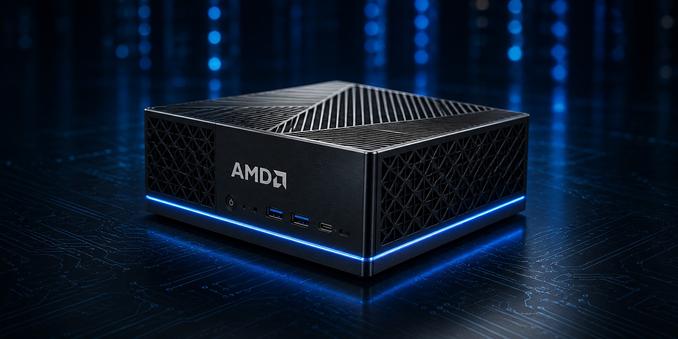
AMD Ryzen AI Max+ 395 vs Nvidia DGX Spark vs Apple Mac — plus when a GPU tower still beats all three. A practical hardware guide for IT managers, developers, and small-business owners weighing a local LLM machine.
Running large language models locally went from a niche hobby to a real procurement question in 2026. A mini PC the size of a paperback can now hold a 200-billion-parameter model — the kind of workload that used to need a server rack.
But picking one isn't about the lowest price. Three things decide whether a model runs well: memory capacity (what fits), memory bandwidth (how fast it runs), and the software ecosystem — CUDA, ROCm, or Metal — that determines whether your existing tools work at all.
There are four real ways to run a local LLM on your desk: a discrete-GPU tower (fastest, but a VRAM wall), AMD Strix Halo mini PCs (big unified memory, cheap, Windows-native), Nvidia's GB10 boxes like the DGX Spark and Dell Pro Max (CUDA, but now $4,699 and Linux-only), and Apple's Mac mini and Mac Studio (high bandwidth, silent, no CUDA).
This guide breaks down which fits which job — with verified specs and current prices.
An appendix at the end collects what early buyers of the AMD “lunchbox” are actually reporting.
https://www.buysellram.com/blog/how-to-choose-the-best-mini-pc-for-local-ai-in-2026/
#LocalAI #LLM #MiniPC #AIhardware #StrixHalo #DGXSpark #AppleSilicon #EdgeAI #AIinfrastructure #Ollama #RyzenAI #AIPC #AMD #NVIDIA #Apple #technology