 Levka
Levka#archeology #Neanderthals #NovaScotia #Indigenous
"Neanderthals Used Ancient Gloop as Antibacterial Medicine, Study Suggests
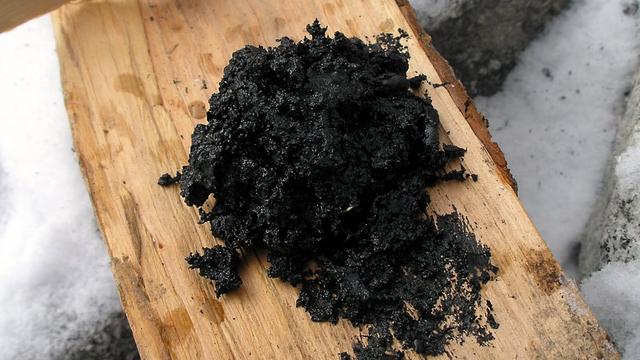
Relatives of modern humans may have created and used a sticky substance both as a glue and to treat their wounds, preempting modern medicine by as much as 200,000 years, a new study suggests.
Researchers have known that Neanderthals used birch tar, a viscous substance derived from birch bark, to glue spear points onto handles in a process known as hafting.
This substance has been found across Europe, and it served multiple purposes, including as some of history's oldest water sealant and Hubba Bubba.
'Alongside these findings, there is also growing evidence of medicinal practices and the use of plants among Neanderthals, which is why we were interested in the use of birch tar in this context,' explains Tjaark Siemssen, an archaeologist at the University of Cologne and Oxford University and the study's lead author.
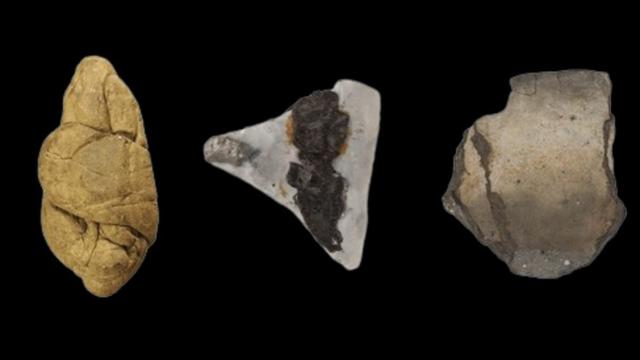
So in the recent study, researchers at the University of Cologne, the University of Oxford, and the University of Liège recreated this birch tar using the ingredients and processes that were possibly utilized by Neanderthals.
Then, researchers at Cape Breton University in Nova Scotia, Canada, performed biological tests to confirm the tar's medicinal properties.
'That is exactly what we proved. The substance Neanderthals made 200,000 years ago, we now know, also possesses antibacterial properties,' says Matthias Bierenstiel, a professor of chemistry at Cape Breton University and study co-author.
(. . .)
They then used three tar extraction methods to turn the bark into a gooey, spreadable compound.
The first method involves heating birch bark in a tin. This technique is inspired by the Mi'kmaq nation, the Indigenous people of Nova Scotia, who for generations have used birch tar as a cornerstone of their traditional pharmacy."