#archeology #Neanderthals #NovaScotia #Indigenous

"Neanderthals Used Ancient Gloop as Antibacterial Medicine, Study Suggests

Relatives of modern humans may have created and used a sticky substance both as a glue and to treat their wounds, preempting modern medicine by as much as 200,000 years, a new study suggests.

Researchers have known that Neanderthals used birch tar, a viscous substance derived from birch bark, to glue spear points onto handles in a process known as hafting.

This substance has been found across Europe, and it served multiple purposes, including as some of history's oldest water sealant and Hubba Bubba.

'Alongside these findings, there is also growing evidence of medicinal practices and the use of plants among Neanderthals, which is why we were interested in the use of birch tar in this context,' explains Tjaark Siemssen, an archaeologist at the University of Cologne and Oxford University and the study's lead author.

So in the recent study, researchers at the University of Cologne, the University of Oxford, and the University of Liège recreated this birch tar using the ingredients and processes that were possibly utilized by Neanderthals.

Then, researchers at Cape Breton University in Nova Scotia, Canada, performed biological tests to confirm the tar's medicinal properties.

'That is exactly what we proved. The substance Neanderthals made 200,000 years ago, we now know, also possesses antibacterial properties,' says Matthias Bierenstiel, a professor of chemistry at Cape Breton University and study co-author.

(. . .)

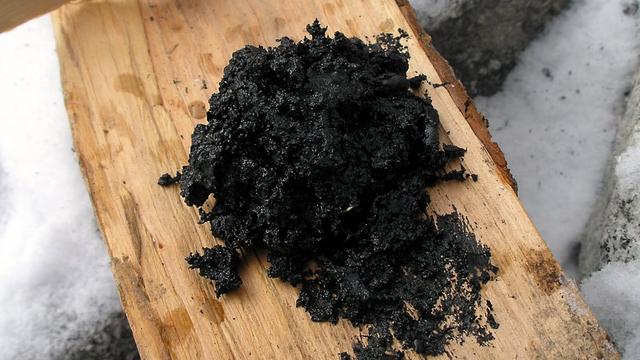
They then used three tar extraction methods to turn the bark into a gooey, spreadable compound.

The first method involves heating birch bark in a tin. This technique is inspired by the Mi'kmaq nation, the Indigenous people of Nova Scotia, who for generations have used birch tar as a cornerstone of their traditional pharmacy."
https://www.sciencealert.com/neanderthals-used-ancient-gloop-as-antibacterial-medicine-study-suggests

Neanderthals Used Ancient Gloop as Antibacterial Medicine, Study Suggests

Relatives of modern humans may have created and used a sticky substance both as a glue and to treat their wounds, preempting modern medicine by as much as 200,000 years, a new study suggests.

ScienceAlert

See also:

#archeology #gender

"6,000-Year-Old Chewing Gum Reveals Clues on Neolithic Gender Roles

Neolithic people seem to have enjoyed chewing gum just as much as a bored kid in calculus. Their discarded wads are even revealing surprising details on human life as far back as 6,000 years ago.

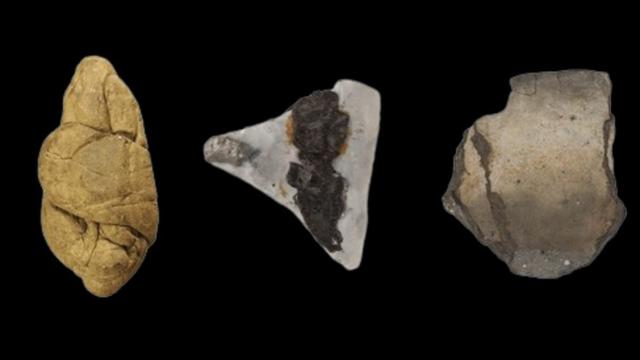
Tar brewed from the bark of a birch tree is the world's oldest-known synthetic material. Neolithic communities in the European Alps used this malleable, tacky substance to attach handles to stone blades, repair pottery, and gnaw on while they worked.

'The precise reason for chewing tar remains unclear, but it has been suggested that it was chewed for medicinal purposes as it contains natural compounds with antimicrobial properties,' write a team of archeologists led by Anna White from the University of Copenhagen.

The great thing about adhesives is that they tend to collect all kinds of stuff from the environment, both accidentally and intentionally. Substances found in preserved tar – such as pine resin – may have been added deliberately to change the birch tar's material qualities.

Meanwhile, samples of the human oral microbiome become incidentally embedded in the tar when it is chewed, along with food or other materials from between the chewer's teeth. Some of the pieces contained DNA from linseed (Linum usitatissimum) and poppy seeds (Papaver somniferum), though it's unclear if the latter was eaten as food or for its opioid effects.

In 19 of the samples, ancient human DNA had been preserved with enough fidelity that, in some cases, the team was able to identify the sex of the person who had chewed it.

'The presence of human and oral microbial DNA in some of the samples suggests the tar was chewed, in some cases by multiple individuals,' the authors write.

'The human DNA also enables us to determine the sex of those who chewed the tar, offering insights into gendered practices in the past, while plant and animal DNA shed light on past diets and the possible use of additives.'

Analysis of the organic residue and ancient DNA trapped within the tar revealed male DNA in the 10 stone tools where the tar had been used as an adhesive, while female DNA was present in the tar used to repair all three items of pottery examined in the study."

https://www.sciencealert.com/6000-year-old-chewing-gum-reveals-clues-on-neolithic-gender-roles

6,000-Year-Old Chewing Gum Reveals Clues on Neolithic Gender Roles

Neolithic people seem to have enjoyed chewing gum just as much as a bored kid in calculus.

ScienceAlert