 Rhyothemis
This popular supplement may increase risk of birth defects, study finds
news article, 27 March 2026
https://www.sciencedaily.com/releases/2026/03/260326075552.htm
"A new study reveals that high doses of antioxidants—often seen as harmless or beneficial—may actually impact future generations. "
The dose doesn't seem that high "127 mg/kg/day N-acetylcysteine (Figures 1B,C) and 0.013 mg/kg/day selenium ", that works out to a male human equivalent dose of ~ 929 mg NAC and 0.095 mg Se. The NAC + Se was given to mice orally in their water supply, with stevia added - which also has antioxidant properties.
To calculate the equivalent dose I divided the mouse dose by 12.3 and multiplied by the average male weight in the USA, 90 kg.
https://pmc.ncbi.nlm.nih.gov/articles/PMC4804402/#T1
~
I'm wondering if the mice have pheomelanin in their testes; some animals do:
https://onlinelibrary.wiley.com/doi/abs/10.1111/pcmr.12231
Pheomelanin regulates intracellular cysteine in male finches:
https://mastodon.social/@ScienceScholar/115872514267263073
#Supplements #NAC #cysteine #selenium #stevia #anitoxidants #health
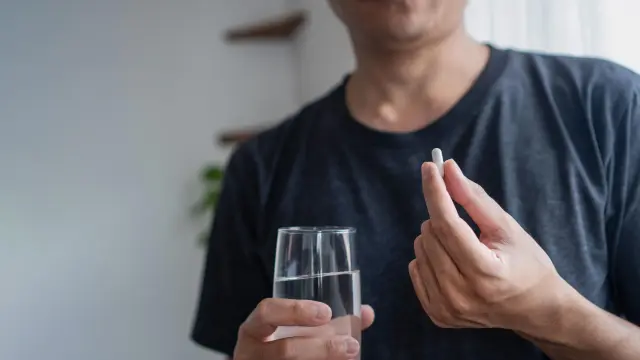
This popular supplement may increase risk of birth defects, study finds
A new study reveals that high doses of antioxidants—often seen as harmless or beneficial—may actually impact future generations. Male mice given common supplements like NAC produced offspring with subtle but significant facial and skull changes. Researchers believe this is tied to altered sperm DNA, even though the fathers showed no outward health issues.