 mcc
mccA thing that never stops being funny to me is that electoral reform is stymied by the fact there are separate camps who want instant-runoff voting, Condorcet ranked voting, and proportional representation, and they don't cooperate. Seriously one of the funniest things to happen in human history. First Past the Post has a plurality of support so it wins every engagement. First Past the Post wins by First Past the Post rules.
 Proto Himbo European
@mcc This is painful and hilarious. It raises the prospect of perhaps getting all these people together and forming a coalition of some kind, and pushing forward, getting commitments to push on reform while waiting until later to decide precisely which reform method gets advocated for. Like a primary process. Then when, IDK, Condorcet or Preference voting or whatever wins, everyone else can grit their teeth and support it, kind of like I did when Kamala got the nomination.
 World Basement Classic
@guyjantic @mcc What happens in practice is that's the exact point the coalition of support breaks down and the whole thing fails. See the Alternative Vote referendum in the UK for an example.
 James T Monkey
@diffrentcolours @guyjantic @mcc Choosing AV as an alternative to FPTP was a deliberate move to see it fail.
I think the problem is appealing to the ‘one person one vote’ crowd. Approval voting makes sense in these terms (everyone says yes or no to each candidate), as does ranked voting (everyone lists their preferences in order), as does PR (if 10% of people want a party, that’s the proportion of seats they get) - all fair in layman’s terms.
But AV is weird, unintuitive, hard to explain.
@teamonkey @guyjantic @mcc Nah, AV is simple. You just list candidates in order of preference. Just like going out for a meal - "I'd like the lasagne" "Sorry, we're out of that" "Oh OK, I'll have the salad".
It was a pragmatic compromise in theory, because if was in Labour's manifesto. But they preferred to give the Lib Dems a bloody nose than eliminate the tactical voting they so often rely on.
@diffrentcolours @guyjantic @mcc Sure, but even back then there was a ton of misinformation. 2/3rds voted against AV over FPTP, so it’s not that easy.
You have to put your explanation up against “why is it fair that you get another vote if your first one loses” and I don’t think that’s easy to explain, but it’s very easy to campaign off.
https://www.bbc.co.uk/news/av/uk-politics-12934509
That plus the “FPTP protects us from extremists” angle which I still hear today despite everything suggesting the opposite is true.
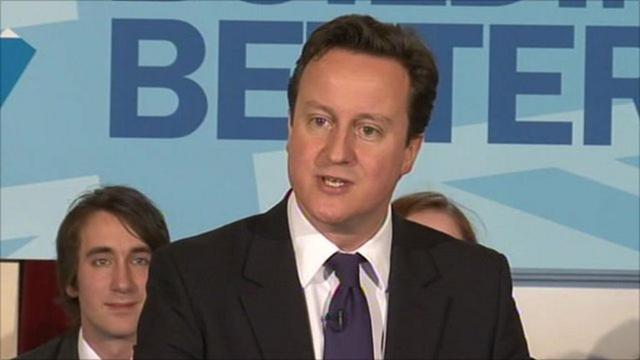
@teamonkey @guyjantic @mcc Yes, the pro-AV campaign, like the pro-EU campaign, was run by (mostly the same bunch of) wonks with no experience of grassroots campaigning or messaging sadly.
 Paul Martin
@[email protected] @[email protected] @[email protected] @[email protected] "messaging sadly" sounds too close to home.