antonthom
 Not Rappaport
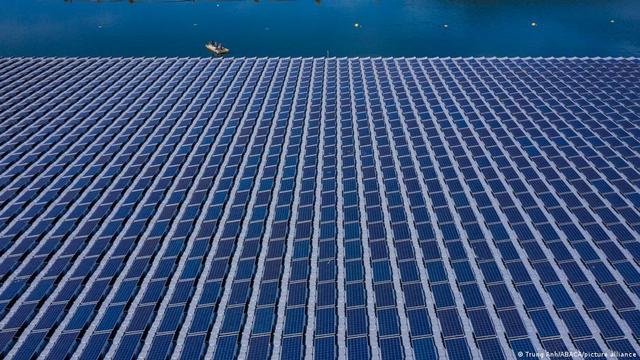
Solar is winning the energy race
The world’s cheapest power source is scaling at warp speed, pushing coal, gas and nuclear aside.
Solar is winning the energy race
The world’s cheapest power source is scaling at warp speed, pushing coal, gas and nuclear aside.
@NotRappaport A recent Technology Connections video really helped persuade me.
When oil or natural gas are extracted, they can be used exactly once.
When raw materials are extracted for solar panels and batteries, yes, there's an environmental cost, but the panels can be used for decades, and after that, the materials can be recycled.
And the panels and batteries offset the carbon used in their manufacturing in the first weeks or months of use - and then go on to work for 25+ years
@nantucketlit @NotRappaport Pushing wind aside too. Wind requires huge custom structures, as do fossil fuels. Solar can go on any flat surface, and should.
We have solar covered parking at work and those are always taken first.
@NotRappaport The article talks about covering 1% of the earth in panels to meet our energy requirements
This student's calculations show it would just need to be 0.04%
Working out and discussion in the link http://large.stanford.edu/courses/2024/ph240/bailey2/
As far as energy sources go, it's pretty tough to beat a giant fusion reactor that's already fully operational and will stay that way for the next several billion years.
 Pino Carafa
 Nantucket Lit
 dexternemrod
 David Phd
 not a martian, honest
 ĞÖKÜ👻👻™
 ARGVMI~1.PIF
 Stephen Dioxide