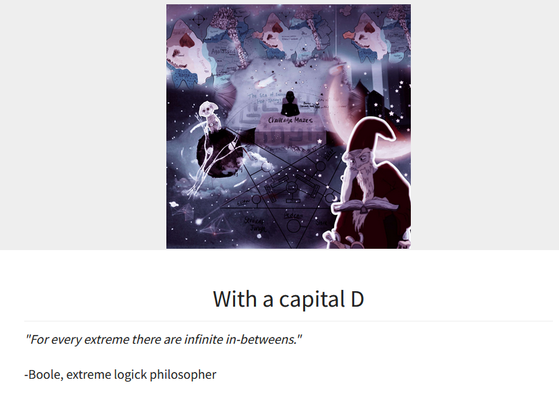
Starting chapters with epigraphs suggests that there’s something else with which the text is in conversation. (In historical fiction, this could be real historical sources; in scientific works, it could be earlier theories; in parody, it could be quotes from the target.)

In worldbuilding, you could use real-world quotes to imply that your world is in conversation with the actual world; or you could use quotes from fictional in-world sources to imply that your text is part of a larger in-world literary context. But in either case, it draws attention to the idea that the text is constructed, which may or not be what you’re going for.

@AbouBenAdhem I use quotes from characters made up by me or anonymous quotes from the world I'm writing, so I definitely use it as a bit of extra worldbuilding or "larger in-world literary context."

Not sure what you mean by "the text being constructed" isn't all text? šŸ¤”šŸ˜

Not sure what you mean by ā€œthe text being constructedā€ isn’t all text?

It’s pretty common since movies became popular in the 20th century to write fiction in a way that emulates that cinematic sense of immediacy, by removing anything that foregrounds a distinct narrative voice outside the thoughts and sensations of the protagonist(s). By convention, readers take this style of narration for granted and ignore that it’s still a construction (i.e., the narrator isn’t felt as a conscious presence creating the narrative, distinct from the protagonist.)

@AbouBenAdhem Ah, well I've been told my 'destinctive narrative voice' is one of the best parts of my writing so I suppose drawing attention to the 'constructed' manner of the text won't be an issue 😁