😋SAKURAMOCHI🌸
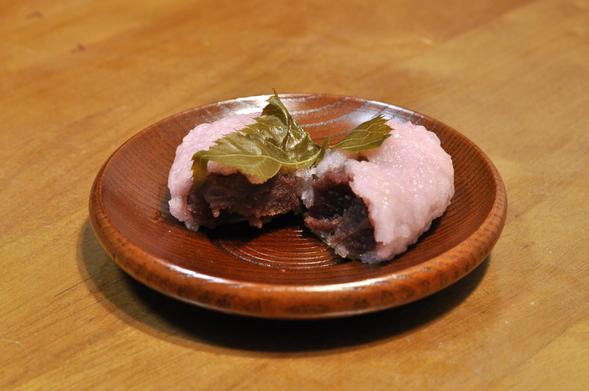
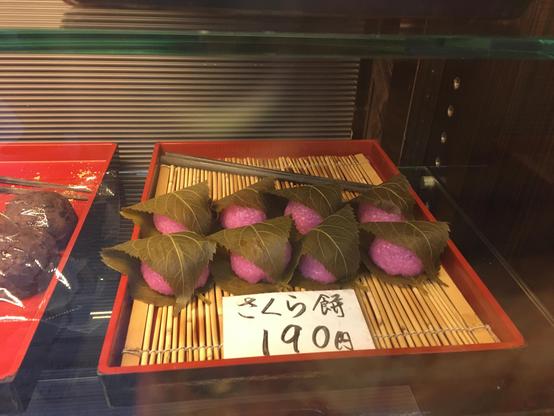
It's that most wonderful time of the year...'sakuramochi' (桜餅) in abundance🙌

'Sakuramochi' (桜餅) begin appearing in stores around the time of Hina Matsuri (雛祭り "Doll's Day" - March 3rd) and are eaten throughout the spring.
#Japan #Kyoto #sakuramochi #桜餅
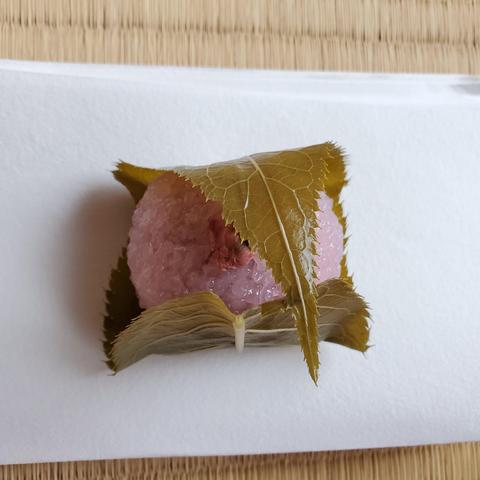
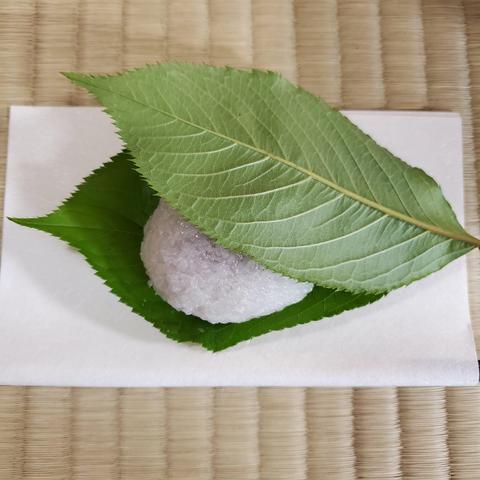
There are 2 main types of sakuramochi: Kansai-style and Kantō-style.

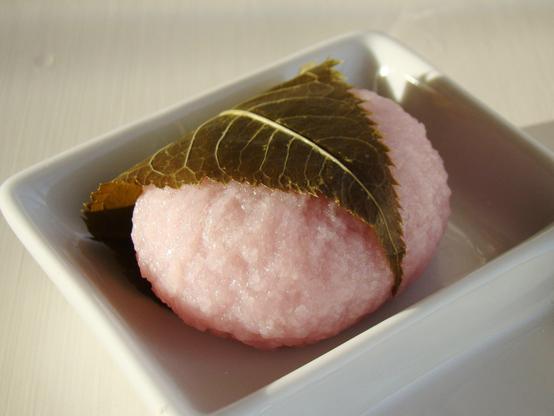
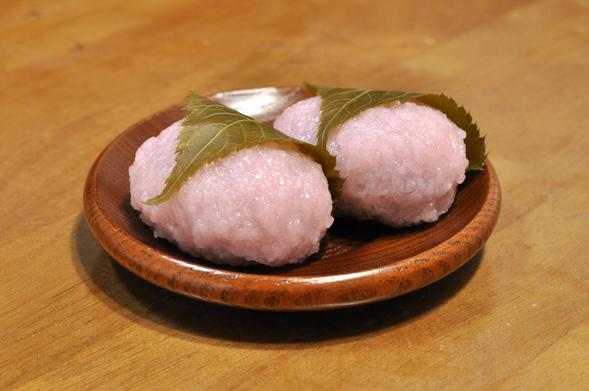
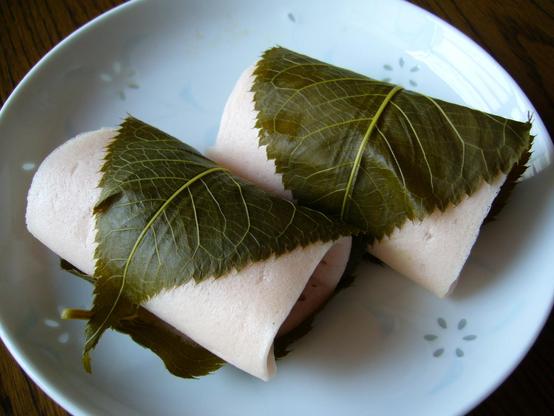
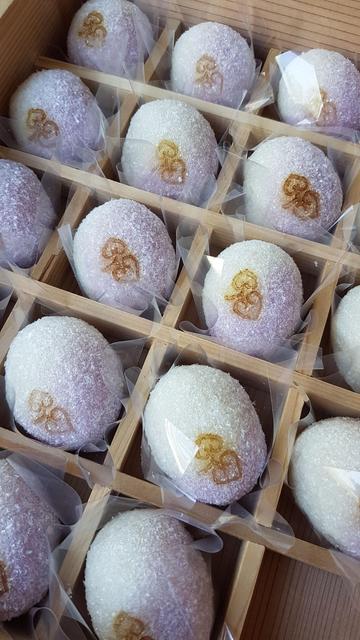
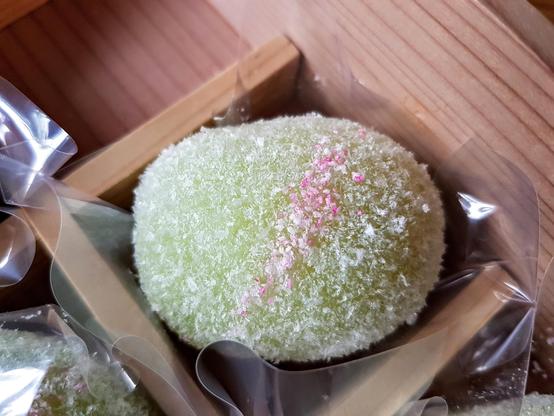
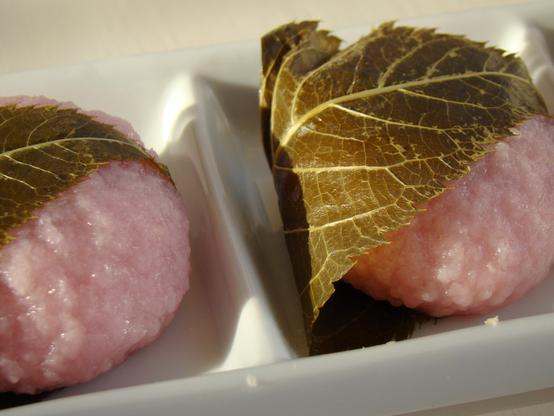
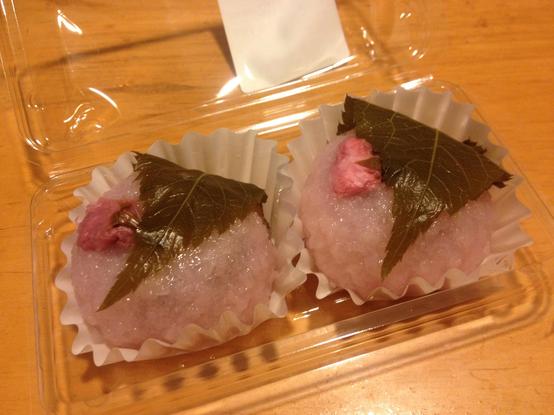
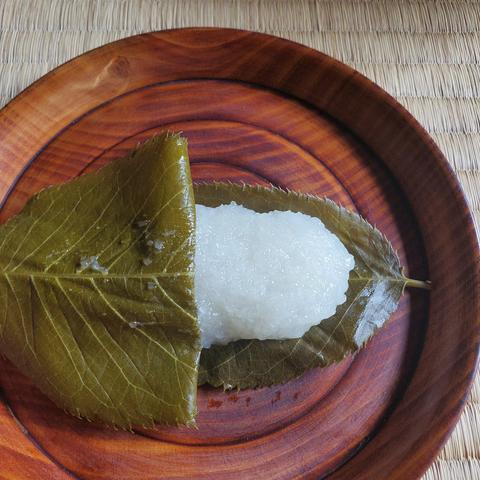
🌸Kansai sakuramochi, known also as 'Dōmyōji-mochi' (道明寺餅), is made with dōmyōji-ko rice flour (道明寺粉).
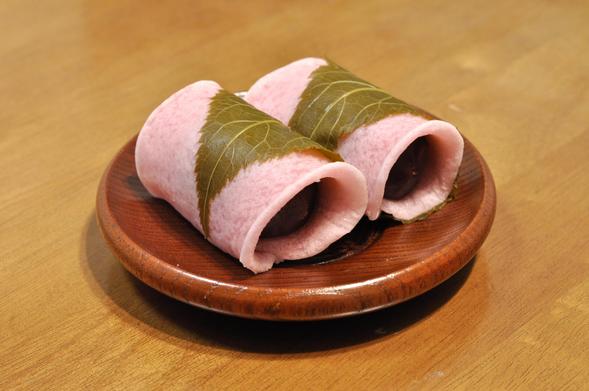
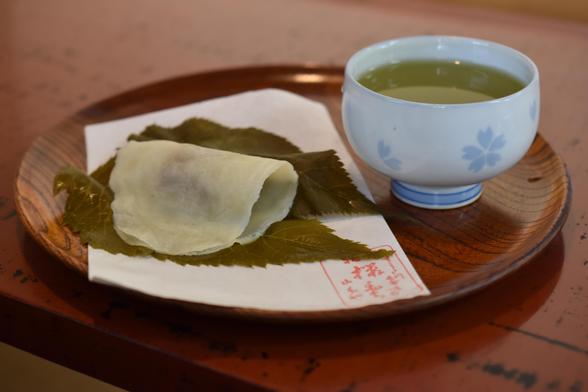
🌸Kantō sakuramochi uses shiratama-ko flour (白玉粉) and is also known as 'Chōmeiji-mochi' (長命寺餅).

Both versions of sakuramochi (桜餅) are also named after temples.

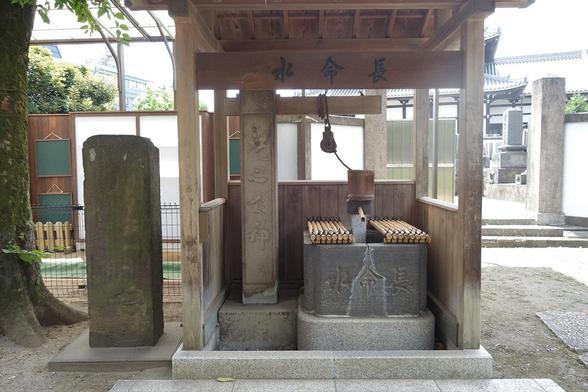
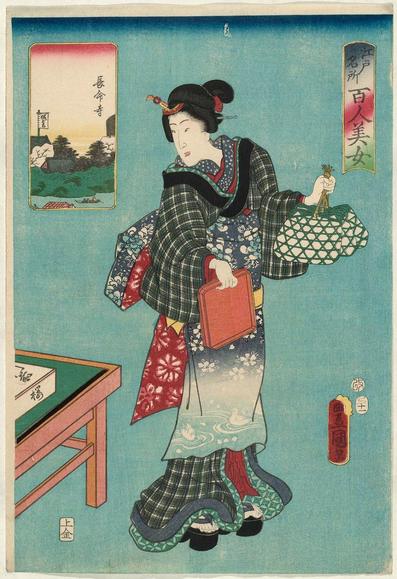
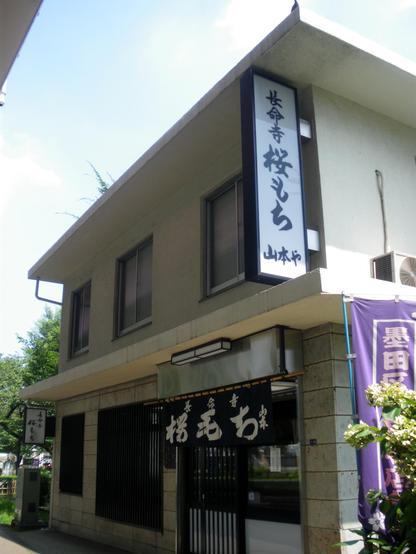
The Kantō-style 'Chōmeiji-mochi' (長命寺餅) is named after Chōmei-ji, a temple in Tōkyō close to the shop that first starting selling the sweets.
#Japan #Tokyo #東京 #wagashi #sakuramochi #長命寺餅 #桜餅

Kansai-style 'Dōmyōji-mochi' is named after 'dōmyōjiko' rice flour (道明寺粉). But why is the flour named after a temple?

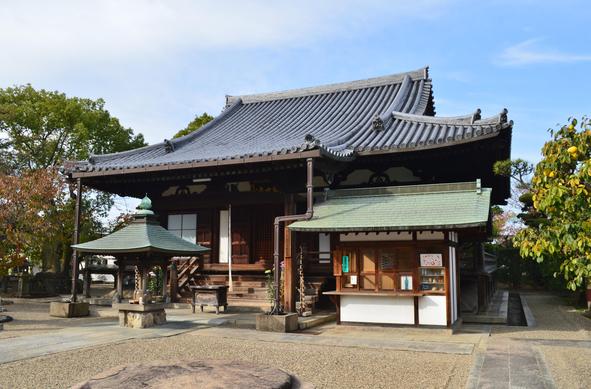
The legend goes that the aunt of Sugawara-no-Michizane (菅原道真 845-903), a nun at Dōmyō-ji (道明寺) in Ōsaka, made offerings of rice cakes at the temple.

After the rice had been dedicated (as a prayer for Michizane's safety in exile), Michizane's aunt handed it out to the destitute. News soon spread that the rice cakes had miraculously cured sickness.
People gathered to purchase their own rice cakes, and so 'dōmyōji flour' was born.

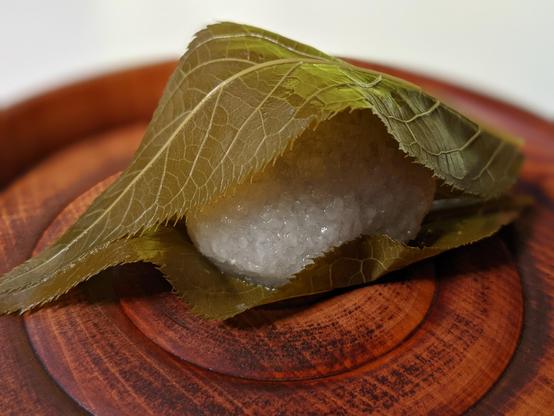
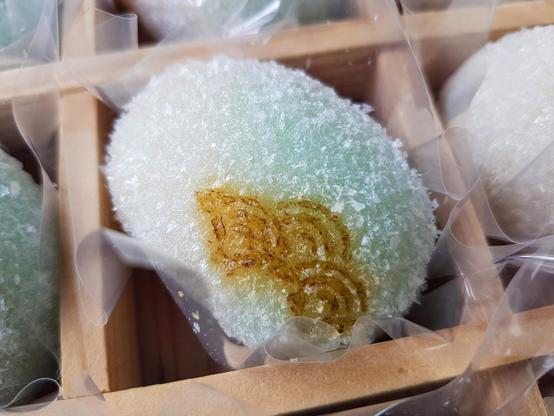
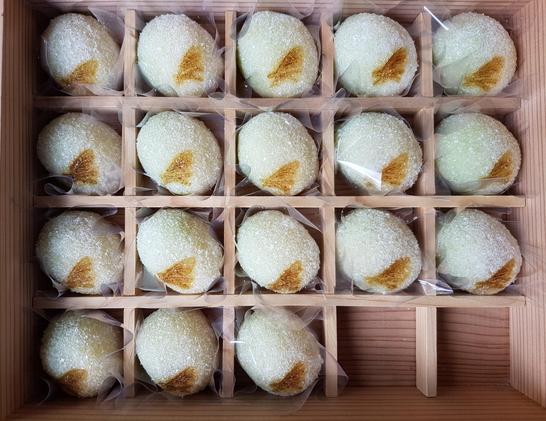
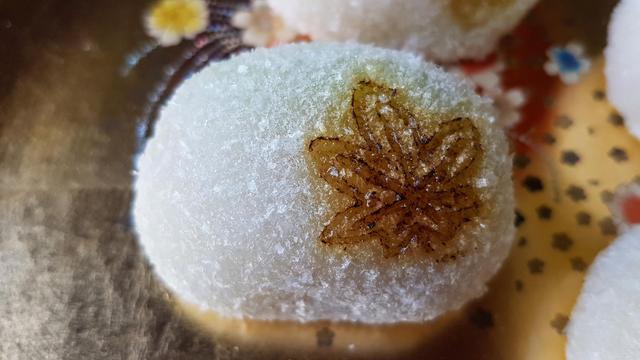
Many sakuramochi are coloured pink to evoke cherry blossoms, but in their natural state they are white (we serve these in the teahouse).

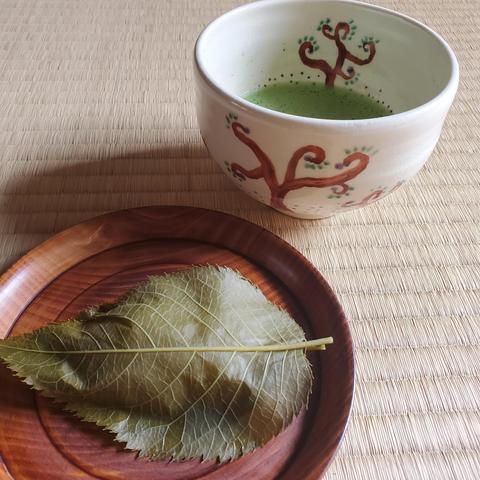
Sakura leaves, first pickled in salt, are wrapped around the rice cakes. The leaves can be eaten, and give the wagashi their salty-sweet taste.

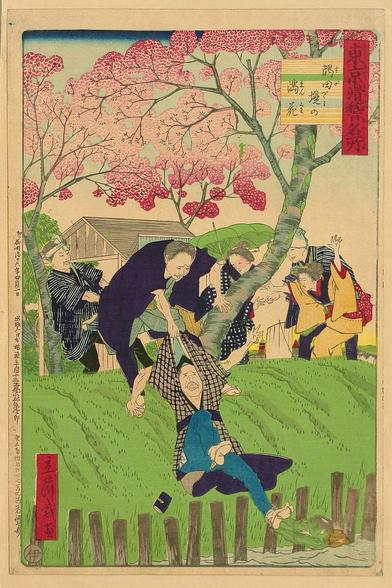
In 1717 the founder of Chōmeiji Sakuramochi (長命寺桜もち) began pickling the sakura leaves he gathered from the banks of the Sumida River to preserve them.

He soon realised the leaves were perfect as 'wrapping' for his crepe-like cakes...sakuramochi was born.

The origin of Kansai-style sakuramochi (桜餅) is less clear, though it had become widely popular by the late 18thC.
The texture of 'Dōmyōji-mochi' (道明寺餅) is far grainier and stickier, and it remains the most commonly bought sakuramochi in Japan.
#Japan #Kyoto #wagashi #和菓子

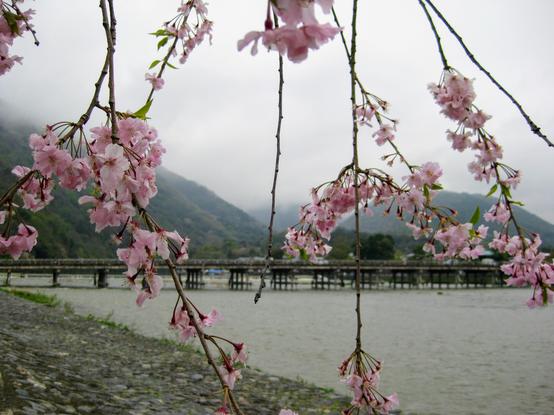
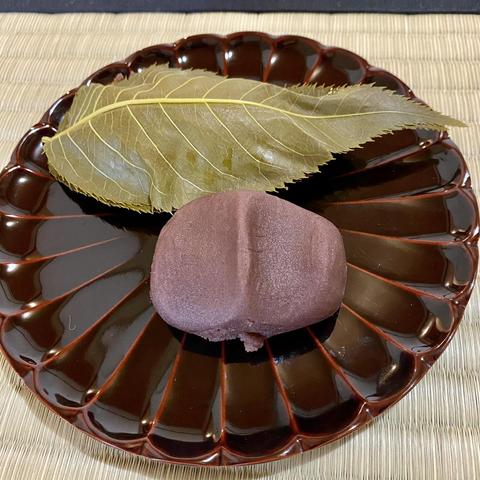
Kotokiki-chaya (琴きき茶屋) in Arashiyama is famous for its 2 types of sakura-mochi.

The 1st is unusual because there is no bean filling, taking its flavour from the 2 sakura leaves.
The 2nd, wrapped in red bean paste, is shaped like Mt.Arashi. It has been served for 110 years.

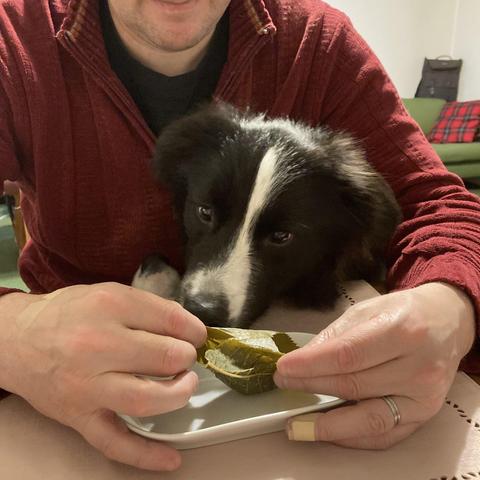
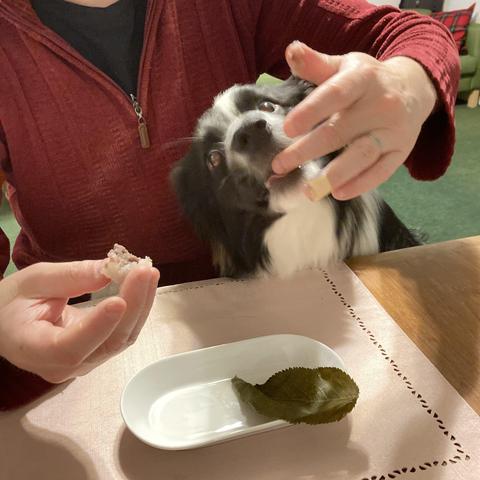
Ralph is also trying to get in on the sakura-mochi action...🤨

#Japan #Kyoto #京都 #sakuramochi #桜餅 #bordercollies #bordercollie #cherryblossoms #wagashi #和菓子

@camelliakyoto

You don't let him eat the 桜の葉 do you?